Sunday, January 11, 2026
Home Blog Page 23

Involuntary church donation

0
Thayne Cozart
Milo Yield

Churches in rural communities almost always find themselves in need of money to sustain themselves. Voluntary donations from passing the plate during services too often fall short of the church’s needs.

That wuz the financial situation facing the Rev. M. T. Coffers one morning as he sat at his desk pondering his budget. His phone rang and he answered it.

A voice on the other end asked, “Hello, is this Reverend Coffers?”

“It is,” the man of the cloth replied.

“This is Cal Lector from the Internal Revenue Service. I’m hoping you can help me with a situation I’m facing.”

“I’ll try to help,” the good man replied.

“Do you know a Ty Twad?” the revenuer asked.

“I do,” the minister replied.

“Is he a member of your congregation?” the revenuer continued.

“He is!” Rev. Coffers replied.

“Did he donate $10,000 to the church?” the revenuer pressed.

“Nope. But he’s going to. I promise,” Rev. Coffers replied emphatically.

***

Four retired rural businessmen owners became acquaintances on a cruise ship for a vacation in the Bahamas.

One day as they were basking on the beach, they were discussing the businesses they retired from.

The first gent said, “I was in the farm supplies business. One night a fire started in the warehouse and burned the entire enterprise right to the ground. My insurance company offered a hefty settlement so I figured ‘why fight it’ and took the dough and retired.

The second gent entered the conversation with, “I owned a company that manufactured grain handling equipment. One afternoon a nasty thunderstorm rolled in, a scale 5 tornado dropped from the sky and turned the entire business into a tanged mess of steel. My insurance company’s settlement seemed generous to me, so I took the money and hung it up and went into retirement.

The third gent piped into the conversation with, “I owned a lumber yard. But, the founder of the company located it in a flood plain. After I acquired the business, one day the rains came down in buckets, the river rose to record heights and my business literally floated away. My insurance settlement was very accommodating, so I decided not to rebuild and retire instead.”

The fourth gent scratched his head and stated, “I understand how you lose a business to fire, but I can’t figure out how do you start a tornado or a flood?”

***

I have to chuckle every time one of the fancy new dog food companies runs its television ad.

Every single one of the ads tries to convince dog owners that their persnickety pets absolutely must have whole-meat, moist dog food, and that the pre-packaged, supplemented meal must be refrigerated for their dog to eat it. Kibble is verboten!

That’s ridiculous. I’ve raised a couple hundred Brittany bird dog puppies in my life and owned and hunted over a dozen or more mature Brits. I even bred and developed a couple of field champion Brits.

All of my dogs thrived on high-quality kibble. Plus, they relished kitchen table scraps, the trimmings from harvested deer, and the heads of quail and pheasants they’d worked so hard hunting.

I recall a neighbor lady from my youth who fed her dogs cornbread cooked with bacon grease mixed in it and the dogs thrived. Also, from my youth, farm dogs usually lapped fresh cow milk their owners poured into a pan. In those days dog kibble wuzn’t even on the market yet.

To end this dog discussion, I’d bet a dollar to a doughnut hole that all the dogs that their owners think are so persnickety would eagerly roll in a dead possum or fresh horse manure if given the opportunity — and they might even try to eat it.

***

At my age, it makes sense that my eye-sight would get poorer as time rolls on. However, the reverse has happened to me. In the last few months, my eye-sight has improved until I rarely wear glasses, other than reading glasses. Go figure.

And, another of my minor-league health happenings will probably make you chuckle. Twice in recent weeks, I’ve had the working end of what I call “mule-tail” plastic toothpicks break off when I poked them between two tight teeth. Both times, I couldn’t extract the broken-off end with my fingers. The first time, I had to get a tiny pair of hooked needle-nosed pliers from the garage to pull the end out.

The second time I wuz traveling when the toothpick broke off. That time I had to stop at a Walgreen’s store and buy a $7 tweezers to extract the broken off toothpick.

All I can say is my dentist says using the plastic toothpicks is the next best thing to flossing — which I refuse to do regularly,

***

My closing wise words for the week are: “Cooperation is simply doing with a smile what you are obligated to do anyhow.” Have a good ‘un.

Houseplants in the Winter

0

Tropical houseplants are not native to Kansas. In fact, the indoor environment we keep them in is not ideal for houseplants but we do the best we can to have greenery inside. Here are some things to keep in mind during the winter.


During the winter, houseplants typically need less water than in the summer due to reduced hours of sunlight. Err on the side of caution and use tepid water instead of cold water. Overly wet soils can lead to increased numbers of fungus gnats that lay eggs in the wet soil.


When purchasing houseplants during the winter, be sure to protect the foliage from the cold on the trip home. Place plants in a cardboard box or other protective covering to prevent damage to leaves.


On extremely cold nights, move houseplants back from icy windows to prevent chilling injury.


Holiday poinsettias do best with bright, indirect light and night temperatures in the 50-60’s. Keep plants away from drafts, registers, and radiators. Let the soil dry only slightly between thorough waterings. Ensure the water can drain and evaporate; punch holes in the decorative foil if needed.


Be sure to check houseplants often for common pests: aphids, spider mites, scale, mealybugs, whiteflies, and thrips.

“Oral Caries Prevention in South Dakota: Challenges and Opportunities”

0

Dental caries (decay) remains the most common chronic disease in the U.S. and globally, despite decades of research and proven preventive strategies. In South Dakota, 60–65% of adults and over half of children have experienced tooth decay, with higher rates among low-income, rural and tribal populations. These disparities reflect longstanding challenges in accessing preventive care, especially in underserved areas.

Two of the most effective, evidence-based strategies to prevent dental caries are fluoride use and dental sealants. Community water fluoridation (CWF) and topical fluoride treatments help strengthen enamel and repair early damage, while sealants protect the deep grooves of molars, where 90% of cavities occur. Sealants can prevent up to 80% of decay within two years and remain partially effective for several more years. Yet only 49% of South Dakota third graders have sealants on at least one permanent molar, falling far short of the CDCs Healthy People 2030 goal of 60%. Studies show that children from low-income or rural areas are at higher risk for decay- yet they are less likely to receive sealants.

Although South Dakota Medicaid covers sealants for eligible children, many dental practices do not accept Medicaid primarily due to low reimbursement rates, further limiting access. Meanwhile, over 94% of South Dakotans benefit from systemic fluoride through CWF, thanks to state regulations requiring optimal fluoride levels in public water systems. However, this cornerstone of public health is under threat.

In April 2025, the U.S. Secretary of Health and Human Services proposed ending CDC recommendations for CWF, citing alleged health risks. Despite continued support from the ADA, CDC and WHO, this shift has fueled a wave of anti-fluoride legislation across the country. Utah and Florida have already enacted statewide bans on water fluoridation, and several other states have introduced bills to restrict or eliminate it. In South Dakota, Senate Bill 133 sought to remove the mandate for maintaining optimal fluoride levels in public water systems. Although the bill was ultimately defeated, it reflects growing skepticism among some lawmakers and constituents. Similar legislation is likely to resurface in 2026, especially as national debates around fluoridation intensify.

The consequences of reduced access to fluoride and sealants are significant. Untreated caries can lead to emergency visits, costly restorative procedures and general anesthesia for children. Dental pain and infection also contribute to missed school and work, financial hardship and diminished quality of life–impacting nutrition, sleep, emotional well-being and social participation.

Sealants and fluoride are complementary, affordable and preventive, costing far less than treating decay. Their combined use is endorsed by the ADA and exemplifies the adage: An ounce of prevention is worth a pound of cure. Sustained protection depends on consistent access to both, especially for those most vulnerable.

Carissa Regnerus, RDH, MA, FADHA, has been a licensed dental hygienist for over 25 years and a faculty member in the University of South Dakotas Department of Dental Hygiene since 2001. She has taught courses in dental public health and sealants, and has served on several medical mission trips, reflecting her commitment to prevention and global service. For more information, contact her at [email protected]. Follow The Prairie Doc® at www.prairiedoc.orgYouTube, and Tik Tok. Prairie Doc Programming includes On Call with the Prairie Doc®, a medical Q&A show (most Thursdays at 7pm on YouTube and streaming on Facebook), 2 podcasts, and a Radio program (on SDPB, Sundays at 6am and 1pm).

Oriental Cabbage Salad

0

I haven’t had turkey dinner yet, and I’m writing about using up the leftovers! The cabbage salad has been one of my favorites for a very long time I find it refreshing and unique, not to mention a rather healthy mixture for the days following the holidays. When I first had Oriental Cabbage Salad it was without the addition of chicken or turkey. Once you start adding the protein to the dish you’ll find you rather enjoy the addition.

I’ve used this recipe on road trips and picnics just to mention a couple of great uses of the salad. This year I’m serving it either with Thanksgiving dinner or the days following as a main entree. You will see my notes for using sugar substitutes in the dressing. Some might even reach for honey instead of the granulated sugar. I have to mention my sister, Judy, for showing me how great the salad is with the chicken or turkey addition. I had never enjoyed it this way until we met while teaching school.

One thing I do like to do is to wait to add the dry noodles until I’m ready to serve the salad, This way the salad stays a bit crunchier and the noodles don’t soften up quite so much. I remember the time I traveled with the salad. The dressing was in a pint jar, the noodles crunched and in a Ziploc bag, while the remaining salad ingredients were in a large Ziploc bag. A bit of fresh fruit and a sweet muffin quickly completes the meal.

Last week I celebrated our son’s marriage by honoring he and his fiancee, Paige, in the column. This week I can tell you the happy couple are on a warm and toasty honeymoon. Mom has been

sleeping for 2 days and I think I’m finally ready to hit the regular routine of life. I’m planning our delayed Thanksgiving Dinner, (Sunday) and getting ready to have my knee replaced. Believe it or not I can hardly wait! It will be my 2nd knee replacement.

The next few weeks are going to be chaotic and you’ll be tempted to grab fast food sandwiches and other not so healthy edibles. Pick up a salad pouch and a roasted chicken at the grocery store instead. Prepare a stuffed baked potato or breakfast for supper.

Have an outstanding week, and try not to overload yourselves with too much cooking! Happy Thanksgiving, The Covered Dish.

Oriental Chicken Cabbage Salad

1 bag shredded cabbage

1 package ramen chicken soup, includes the flavor packet

4 green onions finely chopped

½ cup sauteed slivered almonds

1 tablespoon sesame seeds roasted

1-2 tablespoons butter, salted or not-

1-2 cups chopped chicken breasts, cooked, of course-

½ cup oil

4 tablespoons sugar or substitutes work too.

3 tablespoons white vinegar or cider

½ teaspoon ground pepper

Saute the almonds and sesame seeds in the butter. Place the cabbage, green onions, almonds, chicken and sesame seeds together. In a large bowl. Crunch up the dry noodles to add last. Put the chicken soup flavor packet, oil, sugar, vinegar and pepper in a jar and shake until well blended. Pour over salad close to serving time and add the dry noodles. Enjoy.

JFK REMEMBERED 62 YEARS AFTER ASSASINATION

0

Richard Shank
Columnist


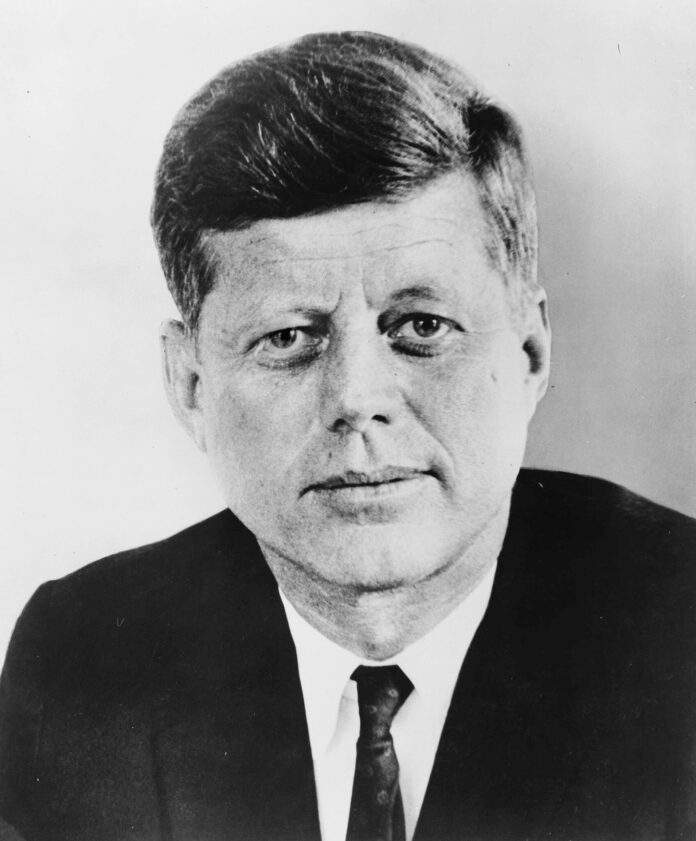
ABC News is to be commended for a special broadcast aired November 24, two days following the 62nd anniversary of the assassination of President John F. Kennedy. After watching the two-hour special, this viewer was no closer to solving the puzzle on who all were involved in the tragic event more than six decades ago. Perhaps, there are some happenings we are not to know the full story, including the 1937 disappearance of Aviatrix Amelia Earhart. 

I have found it fascinating to visit with a couple people who knew JFK, as he was affectionately called, to ask what he was really like. When JFK’s good friend Washington Post Executive Editor Ben Bradlee visited Hutchinson in 2001 for a speech at the Dillon Lecture Series, I inquired about his friendship with Kennedy. Bradlee responded although Kennedy was blessed with wealth, he was never into things and objects. Kennedy drove an Oldsmobile, and Bradlee did not remember him being a particularly good driver. 

Helen Thomas, the famed UPI White House correspondent, also a Dillon Lecturer, knew Kennedy and said no President had a better vision of what America should be than did JFK. 

I, for one, miss a President who had a genuine sense of humor like JFK who brought smiles and laughter to a nation waged in a Cold War with the Soviet Union.

 In a 1962 White House dinner for Nobel Laureates, Kennedy gazed across a room filled with honorees and said, “I think this is the most extraordinary collection of talent and human knowledge that has ever been gathered together in the White House, with the possible exception of when Thomas Jefferson dined alone.” 

When a young man asked Kenned how he became a war hero, the President responded, “It was involuntary. They (the Japanese) sank my boat.” 

Commenting on the daily briefings regarding international issues, Kennedy said, “I do not think the intelligence reports are all that hot. Some days I get more out of the New York Times.”

During the 1960 campaign, Kennedy drew applause when he said, “Do you realize the responsibility I carry? I am the only person standing between Richard Nixon and the White House.” 

In 2015, while in Boston, we stopped by the Kennedy Presidential Library on the campus of the University of Massachusetts and it was deserving of the tour we received. Kennedy preferred the library be built on the Harvard University campus where he graduated, but it was not to be. A faction of Bostonians opposed the construction with protestations of creating traffic congestion in the area. Meanwhile, across town, the University of Massachusetts came to the table with an offer to provide 10 acres of prime real estate, and the family was only too happy to accept. I remain puzzled that Harvard turned down an opportunity to house the Kennedy Library, and assume there is more to the story. 

Based on Kennedy’s love of water and sailing, it seemed only natural his library should be built alongside Boston Harbor with a backdrop of the Atlantic Ocean. His sailboat Victura, a gift from his parents, is displayed outside. The library, an 11-story glass pavilion gives the visitor a panoramic view of the vast ocean beyond. 

Apparently, Kennedy and his staff kept good records, the library is a repository for 50 million pages of documents, 400,000 still photographs, 7.5 million feet of motion pictures , and 11,000 reels of audio recordings. 

His Presidency set in motion a series of initiatives, many of which survive to this day. Four months after assuming the presidency, Kennedy summoned the nation to send a man to the moon and return him safely to earth. Kennedy created the Peace Corps and in doing so sent thousands of Americans to developing nations to teach everything from agriculture to literacy. In doing so, Kennedy may have done more for American diplomacy than all the diplomats who have served in our nation’s history. 

A tax cut, initiated by Kennedy, and passed following his death, returned money to taxpayers and increased government revenue, something that has not been duplicated before or since. 

And, let us not forget Kennedy restored his predecessor Dwight D. Eisenhower to the rank of Five Star General, a fitting tribute to a man who spent a lifetime defending his country and its way of live. 

More books have been written about Kennedy than any  other President, excluding Abraham Lincoln. Only 4 of the 34 Presidents who preceded him knew Kennedy, and many  of the 11 who followed him tried to imitate his style and charisma, only to find out there was only one JFK. 

Speaking at the groundbreaking for the Kennedy Presidential Library in 1977, his brother Massachusetts Senator Ted Kennedy called JFK a universal man. “He could talk with a poet or prime minister, start an astronaut toward the moon, reach a black child in the south, throw a spiral pass, haul a sail and make a Russian blink,” Senator Kennedy said. 

Ronald Reagan had special words for Kennedy. “He seemed to grasp from the beginning that life is one fast moving train, and you have to jump aboard and hold on to your hat and relish the sweep as it rushes by,” Reagan said. 

Perhaps, Kennedy summed up his philosophy best in nine words in what some call his greatest quote. “No problem of human destiny is beyond human beings,” Kennedy said.