Wednesday, January 14, 2026
Home Blog Page 58

Kansas made itself part of the corn belt, but that may not be sustainable

0
Western Kansas has inserted itself into the corn belt, a region of the Midwest from Ohio to Nebraska that has dominated corn production. There might be better crop options for the Kansas climate, but huge industries and government subsidies help keep corn growing.

It’s harvest time in Kansas. Across the state, combines have begun shaving down and chopping up over 6 million acres of corn.

Isaac Yara is a truck driver, so he sees almost nothing but those corn fields hauling grain across the high plains. This season is a busy one for him.

“I would say the main thing that I haul the most would be corn,” Yara said as he parked his semi for the day.

Why are those signature corn fields so ubiquitous in rural America, including western Kansas where the crop relies on the shrinking Ogallala Aquifer to thrive?

That’s because in western Kansas, there is a huge demand for it. The major corn industry is connected to most of the jobs, like truck driving, the cattle industry and farming.

But the problem is, corn is not as well suited as other crops to this region. All of the economic infrastructure and pressure makes growing corn a simple choice for now, but in the long term it might not be a sustainable option.

The corn you see is generally not for human consumption. A lot of states, including Kansas, plant a shorter, starchier version called field corn.

This corn won’t taste good to us, but it’s perfect for cattle. It’s also good for producing biofuel in ethanol plants. But that main use is pressing that starchy corn into a softer, highly digestible, high-protein feed.

It starts out on the farm. Yara drives his truck out to a farmer’s field, gets loaded up with corn and takes it to feedlots. But not usually the feedlots across western Kansas.

“I’ll go pick up in Greensburg, Kansas, or around those areas,” Yara said. “I’ll pick up corn there and then I’ll just bring it down over to the Texas Panhandle.”

Yara described what the industry refers to as the southward flow of grain across the Plains. Despite Kansas being covered in millions of acres of corn, truck drivers and cattle feedlots will tell you a lot used here still comes from the original corn belt in Nebraska, Iowa or Illinois, not down the road.

“We take fertilizer up north to Nebraska or South Dakota, and we’ll bring back corn product, or corn itself,” Yara said.

Grain marketing economist Mark Welch at Texas A&M University said corn is the staple crop for the beef industry. It’s virtually always in demand, it’s also reliable, so a lot of farmers will plant some corn for a steady crop and good returns.

“In terms of dollars per acre, the return possibilities for corn are pretty attractive,” Welch said.

Over the years, hybrids have capitalized on irrigation to survive drier periods, and subsidies from the federal government have made corn common.

Since 1995, the federal government has paid out $21 billion in subsidies for corn to farmers nationwide, making it the most subsidized crop. Second place is wheat with about half of those subsidies.

Kansas corn planting has grown by an average of 50,000 hectares a year since the 1880s. But despite this increase, Kansas still rails in literal tons of corn from the original corn belt.

Welch said part of the reason is the current transport system has been fine tuned. The rails, grain elevators and systems are already in place. It can sometimes be cheaper for a feedlot or dairy to rail in corn from the northeast where high yields contribute to lower prices.

The other reason is cattle are fed a ration that is almost 80% corn, and the rest is a filler often including silage, a fermented grain. A lot of local Kansas corn is turned into silage.

“You’re not going to rail that in from Nebraska. It’s too bulky. It’s hard to maintain condition,” Welch said.

With silage, the entire corn plant is copped up.. Agronomists say silage is best suited for irrigated corn, as it needs to be wet. But shipping all that wet material wouldn’t make sense, financially. So it’s often made locally.

There are other crops that are more water efficient and can be used for silage, like sorghum. But in an industry this massive, the momentum corn already has, makes it hard to change to something else, even with the downsides of corn.

“The seed cost is higher. The fertilizer requirements are higher. If you’re going to irrigate it, you might spend more water on corn than you would grain sorghum,” Welch said.

And despite those costs, the demand means corn acres can generate more revenue for farmers compared to sorghum.

Brandon Depenbusch is the vice president of the cattle division at prominent cattle feeding company Irsik and Doll. He said some feedlots in the region have more than 35,000 cattle to feed, and each animal eats up to 30 pounds of corn a day.

Western Kansas is also home to mega feedlots, feeding up to 80,000 cattle a day. Even with the increase in Kansas corn acreage, it’s not enough.

“I would explain some of our feed yards as a city,” Depenbusch said. “We run a city, and the citizens are cattle. They got to have groceries to eat.”

Corn is a crop that yields much higher with irrigation. When irrigated, corn can yield almost 300 bushels an acre in Kansas. Without irrigation, it might be half of that in a good year. Corn is the most commonly irrigated crop in Kansas. More than a third of the 3 million irrigated acres in Kansas produce corn.

Kansas farmers have access to irrigation through the Ogallala Aquifer. But that access has been in danger after years of pumping for crops has resulted in the aquifer running almost dry in some places.

Given the water usage and the climate challenges in Kansas for the crop, farmers and industry leaders have had to take a hard look at whether corn is still worth it.

Depenbusch said that he believes in the beef industry and its ability to adapt. Maybe feedlots in the future will be able to transition to another high protein feed that can grow with less water nearby, like sorghum.

But feedlots and ethanol plants are set up to process corn kernels. A sorghum berry is smaller, and could take twice as long to process for a feedlot.

That’s just another example of how fine tuned things are for corn, making it harder to switch crops. But that doesn’t stop Depenbusch’s optimism.

“It’s just going to look different. But by God, it needs to look different. If we’re doing the same thing 20 years from now that we are today, that’s a dying industry,” Depenbusch said.

“We have to evolve, and we will,” he said.

Calen Moore covers western Kansas for High Plains Public Radio and the Kansas News Service. You can email him at [email protected].
Here are 7 places to enjoy breathtaking fall foliage in Kansas

0

It happens every year.

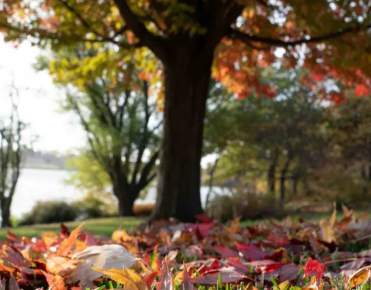
As the days grow shorter, trees prepare for winter by ceasing production of the chemical chlorophyll, which keeps their leaves green.

The results can be spectacular, as those leaves are transformed into brilliant tones of orange, yellow and red.

When will colors change in Kansas?

That annual spectacle is expected to begin the week of Sept. 29 along the Sunflower State’s western edge, says a 2025 fall foliage map published online by the National Park Service.

By the week of Oct. 12, leaves will be changing colors throughout Kansas, that map said.

It predicted the peak of color would come throughout most of the Sunflower State’s western half the week of Nov. 3, and throughout most of its eastern half the week of Nov. 10.

Following are seven of the best places in Kansas to enjoy the view.

Baldwin City

This community in Douglas County in northeast Kansas is so closely identified with fall foliage that since 1958 it has hosted the annual Maple Leaf Festival, which takes place this year Oct. 18 and 19.

Inspiration for the event comes in part from the “hundreds of beautiful maple trees, which form an umbrella of brilliant color over the city each fall,” said the leisure and sports website lasr.net.

The festival is one of the state’s largest autumn events and features “parades, quilt shows, street food, and pumpkin everything,” said the worldatlas.com website.

Native Stone Scenic Byway

The 75-mile Native Stone Scenic Byway, which runs through the Flint Hills, gets its color from the many groves and creeks along the route, said the travelks.com website.

“Fall is a festival of colors as the highway cuts through the rolling terrain — highlighting both the natural wonder of rock formations and the amazing craftwork of masons who built walls, bridges and buildings with native stone,” it said.

The byway’s beginning and ending points are eight miles south of Manhattan, at Interstate 70, exit 313, and at the intersection of K-highway and Glick Road, in western Shawnee County.

Ted Ensley Gardens

The view becomes particularly colorful each fall in the Woodland Garden just north of the Garden House in Ted Ensley Gardens at Topeka’s Lake Shawnee.

As visitors sit on a shaded stone bench in those gardens, “The colorful foliage of Painters Palette draws the eye to the north,” said a K-State Research and Extension website highlighting the Woodland Garden. “Do not miss the spectacular display of the wahoo tree in the fall as you continue to the seated arbor overlooking Lake Shawnee. From this vantage point, you can view our secret garden — a sunny spot where we have tucked away our latest Monarch Waystation.”

Frontier Military Historic Byway

The Frontier Military Historic Byway follows paths established by the Army in the 19th century while running 167 miles between Fort Leavenworth on the north to Fort Scott on the south, eventually reaching the Kansas/Oklahoma border.

It is the longest byway in Kansas, passing by “forts, museums and other historical gems,” and offers many places to pull off and enjoy the foliage, said the kstravel.com website.

“Pull on your comfy sweatshirt as you take in the colorful woodlands of the Marais des Cygnes Wildlife Refuge and Marais des Cygnes Wildlife Area,” that site said. It cautioned travelers to “Be on the lookout for deer!”

Chautauqua Hills Loop trail

“A fall foliage wonderland” is the description the onlyinyourstate.com website gave to the seven-mile Chautauqua Hills Loop trail at Cross Timbers State Park, about 12 miles west of Yates Center in Woodson County in southeast Kansas.

If you’re looking for fall foliage that’ll knock your socks off, Cross Timbers State Park is an excellent place for adventure,” that website said. “However, there’s one particular trail — Chautauqua Hills Loop — that takes fall foliage to the next level. Lace up your hiking boots and pack some trail snacks, because this adventure is one you’ll want to experience in person.”

Flint Hills National Scenic Byway

“Nature’s fiery color display is perfection on a mild autumn day on the Flint Hills National Scenic Byway,” said the kstravel.com website. “Stretching more than 47 miles across the Flint Hills of Kansas, the byway is a two-lane, paved road and a favorite fall foliage drive.”

The byway runs along K-177 highway from Council Grove in Morris County in central Kansas to Cassoday in Butler County in south-central Kansas, offering views of one of the last remaining stretches of tallgrass prairie and access to historic sites that include the Tallgrass Prairie National Preserve, which features a historic mansion and schoolhouse.

Alcove Spring

Fall brings colorful foliage to Alcove Spring, near Blue Rapids in Marshall County in northeast Kansas, said the touristsecrets.com website.

The site is known for the springs located there, an intermittent waterfall and its historical significance as a stop for Native Americans, fur traders and pioneers using the Oregon Trail, the “8 Wonders of Kansas Geography” website said.

The location was named by pioneers from the ill-fated Donner Party, who stopped there in 1846, then continued west before some of them resorted to cannibalism after they became snowbound in the Sierra Nevada Mountains.

As reported in the Topeka Capital Journal


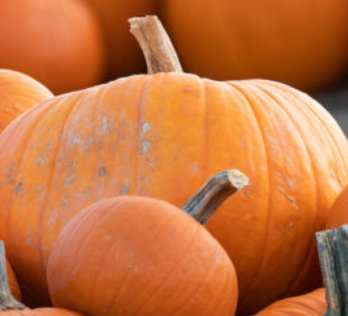
Ideas, advice to use pumpkins as more than just a jack-o-lantern

0

DIY fall season décor, recipes with pumpkins
Pumpkins are a big part of fall decorations and diet, so here are some ideas to help you best utilize them during the season, according to a Texas A&M AgriLife Extension Service expert.

Odessa Keenan, AgriLife Extension wellness initiatives coordinator for the Healthy Texas Program, Dallas, said pumpkins are a fall staple that can be utilized in décor and seasonal recipes. She offers some tips and suggestions for best using them for your Halloween decorations and fall recipes.

Pumpkins can be used in seasonal recipes or as fall décor option in so many ways, whether a jack-o-lantern, front porch decoration, fall table-scape arrangements, decoration around the fireplace or as props for family photos, Keenan said.

“There are many ways to maximize the usefulness of pumpkins,” she said. “They’re a big part of fall décor, including Halloween. They’re also a big part of many seasonal and holiday recipes. I try to find as many uses for them as I can.”

Pumpkin recipe ideas
Keenan said once the seeds and pulp are removed for use in food or drinks, they should be immediately refrigerated or prepared to avoid potential food safety issues.

“Once you carve a pumpkin and leave the pulp out for more than a couple of hours, you can assume it’s not good to eat,” she said.

Pumpkins can be used to make a host of seasonal treats and beverages, Keenan said.

Pumpkin puree is an easy way to utilize the pulp inside, she said. Puree can be used to make sweet treats like pies, parfait and cookies or savory snacks like hummus.

AgriLife Extension has a number of pumpkin recipes available through its Dinner Tonight program.

The puree should be stored in the refrigerator and will likely last around four days before spoiling, she said.

“How long it lasts in storage will depend on how fresh it was from the vine when you purchased it, its condition since and any potential for bacteria to exponentiate,” she said. “Canning the puree correctly can extend its shelf life up to four months.”

Keenan said pumpkin seeds can be a simple and healthy seasonal treat.

“Baking pumpkin seeds is yet another way to utilize the pumpkin,” she said. “You can experiment with different spice blends – savory, spicy and sweet – to find your family’s favorite, just be sure to watch for too much added sodium or added sugars.”

Prepping your pumpkin to cook or carve
Keenan does not recommend any chemical washes to prepare pumpkins for carving and pulp removal. Most pumpkins in retail settings are relatively clean for presentation, but some cleaning may be necessary when applying paint or other flare.

“Just make sure it’s cleaned under cool running water before cutting it,” she said. “It’s got a tough rind, so you could use a vegetable brush to clean the outside before you use it, if it’s excessively dirty.”

If you plan to use the pulp for cooking, make sure your hands, the carving area and tools are properly sanitized, she said.

Pumpkin carving safety
Carving jack-o-lanterns is a Halloween tradition, but safety should be a priority during carving and when using the seeds and pulp for seasonal treats, Keenan said.

“It’s surprising how many knife injuries there are from carving pumpkins each year because it seems obvious,” she said. “But knife safety and being conscience and cautious about how you carve is important because you can get caught up in the activity, and the next thing you know you’ve got a cut on your finger, hand or worse.”

Keenan said painting could be a better option for small children. Pumpkin carving kits can also provide less dangerous tools for the job.

When carving, always take your time and make controlled cuts, she said. Turn the pumpkin to cut away from your body and off-hand, and always be conscientious of where your off-hand is in relation to the blade.

“When pumpkin carving is a family activity, your mind can wander away from things like safety,” she said. “The pumpkin can be slippery. Sometimes the rind is difficult to cut through in some spots and surprisingly easy in others, and all these factors can lead to an injury.”

Extending a pumpkin’s life

Pumpkins last a fairly long time off the vine, she said. Their post-harvest life depends on where you get them, how long they’ve been sitting and how they are displayed. Using them outside in the weather or staging them with other organic matter like hay can speed up decomposition.

“The more items sitting together, being outside in elements, harboring moisture at the base or resting between two items is going to contribute to decomposition,” she said. “A well-drained area will prolong the life of the pumpkin, whether it’s carved or whole.”

Keenan said she’s seen pumpkins used to hold flower arrangements but suggests carving out just enough of the pumpkin to hold a vase. Arrange and water the flowers inside the vase to reduce the moisture levels inside the pumpkin and try to keep some space between the pumpkin and the arrangement.

Because pumpkins can have an extended post-harvest life, uncarved pumpkins used for Halloween décor could be used for fall cooking recipes going into the holidays, she said.

“If you buy a whole pumpkin and let it sit for weeks and it doesn’t show any signs of decay, you are probably fine to use the pumpkin meat,” she said. “Check for mushy or rotting areas, any sign of decomposition inside the pumpkin or a bad smell. Just check for anything that suggests decay.”

Composting pumpkin remains

However, when your pumpkin does ultimately decay, then adding pumpkins to compost piles is a good way to use the leftover organic matter, said Joe Masabni, Ph.D., AgriLife Extension, horticulturist, Dallas.

It’s best to either blend them up or let them dry and break the rinds up into as small of pieces as possible, he said.

“The smaller the pieces, the better, so it will break down and compost quicker,” he said. “Composting seeds and all can be fine, but you need to break them up as well, otherwise some may germinate in your compost pile.”

Saving seeds to plant

When you are done with your pumpkin this season, seeds can be saved to plant next year by laying them out flat to air dry on paper towels, Masabni said. They should be dried enough within 24 hours and then can be placed in a plastic bag and stored in the refrigerator or a cool, dry place. Mark the bag with the pumpkin variety and date.

“If they’re stored correctly, they can last at least five years,” he said. “Don’t heat dry them in an oven or in the sun because it’s like roasting them and could cause damage.”

Time to take plants indoors

0

As frost approaches, gardeners are tempted to dig up plants and place them in pots for use indoors. Too often, the results are disappointing as plants that flourished in the garden drop leaves and stop flowering indoors, said University of Missouri Extension horticulture specialist David Trinklein.

Saving an attractive plant is tempting, but consider several points before attempting to do so, Trinklein said. First, is there a suitable location in the home for the plant? Does the plant have sentimental value? Is it rare or expensive? Is it free of insects and diseases?

If the answer to these questions is “yes,” then your time and effort moving the plant might be worth it, he said.

On the other hand, if these are some of your reasons for saving a plant, you might want to reconsider: The plant is too attractive to let it freeze. You need a colorful plant in your home. You want to save it for next spring and plant it outdoors again. You want to give the plant to a friend as a gift.

“The fact is that many garden plants do not make good houseplants in any indoor location,” Trinklein said. Common garden annuals such as marigold, zinnia, celosia, and flowering vinca are all true annuals. They will not thrive indoors because the light is too poor, the night temperature is too high and the relative humidity is too low.

Flowering plants that are indoors, particularly those from the garden, need bright light in winter regardless of their light preference outdoors. Short winter days coupled with the poor light typical of most interior settings will prevent most annual garden plants from flourishing.

Supplemental (artificial) light is beneficial, but it will have its greatest impact if placed over plants growing with good light from a sunny window.

Night temperatures close to 60 degrees Fahrenheit promote the best plant growth. Most homes have their thermostats set higher than 60.

For those determined to save garden plants, Trinklein offers these suggestions:

Lift the plant carefully from the soil and place it in a large pot. Plants may look small outdoors, but the complete root system may require a larger pot than you expect. The root system of that seemingly little plant in the garden might need an 8-inch pot.

Maintain a ball of undisturbed soil and roots as much as possible. Some root pruning along the sides of the soil ball usually is inevitable. But the more roots that are pruned off, the greater the shock to the plant.

Situate the plant in the pot at about the same depth it was growing in the garden. Fill around the existing root ball with a peat-lite potting mix. If there is no immediate danger of frost, keep the newly potted plant outdoors in the shade for a week or two to become adjusted to growing in a container. If the weather is cold, bring the newly potted plant into a cool room and place it by a bright window. For the first few days, cover the plant loosely with a plastic bag to increase the humidity around its leaves.

Gardeners who simply want to save a few garden plants for the next growing season may prefer taking cuttings, which require less space. Begonia, impatiens and geranium root readily from cuttings taken in the fall.

Should you let your lawn grow tall in the fall? Experts advise against it

0
Proper fall care will help lawn bounce back more easily next spring.

As fall temperatures settle in across Kansas, some homeowners may be tempted to let their lawns grow taller, believing longer grass can help protect turf during the cold winter months.

But Kansas State University horticulture expert Cynthia Domenghini cautions that this well-intended practice may do more harm than good.

Domenghini said the idea that tall grass provides insulation for the plant crown — the area where the stem meets the roots — has gained popularity in recent years. Yet, when grass blades are left too long, they can flop over, creating a matted layer that traps moisture and encourages the development of winter diseases.

“The best way to prepare turf for winter is to provide adequate care and ensure your plants are healthy,” Domenghini said “This requires care year-round, including fertilizing, watering and mowing.”

Homeowners are encouraged to follow mowing height guidelines specific to the type of turf they’re growing. For Kansas lawns, the recommended mowing heights (in inches) are:

  • Tall fescue: 2.5–3.5.
  • Kentucky bluegrass: 2–3.
  • Buffalograss: 2–3.
  • Bermudagrass: 1–2.
  • Zoysiagrass: 1–2.

“Mowing height can vary within each species depending on the time of year,” Domenghini said. “For example, warm-season grasses may be mowed taller in late summer and early fall to allow them to store more carbohydrates for the winter. That may also help to reduce the occurrence of cool-weather diseases.”

Even so, Domenghini emphasized that even seasonal adjustments should remain within the recommended range for each grass type.

Maintaining a consistent mowing schedule, even late into the fall, helps keep the lawn healthy, reduces thatch buildup, and minimizes disease pressure during the colder months.

Domenghini and her colleagues in K-State’s Department of Horticulture and Natural Resources produce a weekly Horticulture Newsletter with tips for maintaining home landscapes and gardens.

Interested persons can subscribe to the free newsletter, as well as send their garden and yard-related questions by email to [email protected], or contact your local K-State Research and Extension office.