Friday, January 23, 2026
Home Blog Page 180

Shepherd’s Pies

0

Today the family started asking about 4pm, ‘What’s for supper?’ Seriously; I had no idea at the time. Sometimes I’ll have things in the refrigerator and I think I can make something with them, only to find they’ve been eaten! Sounds a bit familiar doesn’t it?

This evening I was shocked to find the extra pound of burger with onions untouched in the frig, I couldn’t believe the luck. A few minutes later I announced Shepherd’s pie was the main entree, with a fresh salad.

This lead to an interesting conversation with our son, Phillip, who enjoys cooking himself. Gee, I wonder how he got those genes! He likes to share some of my recipes with his insurance clients, but he told me this evening that he adds more steps to my directions and often simplifies the recipe. He explained to me that many people do well just to stir something simple up to eat , and my recipes were sometimes too much. I can see where he is traveling One easy example would be the use of canned creamed soups. I don’t like to use them when I write a new recipe, but Phillip’s realization truly hit home with me tonight. Therefore; I’m sharing a super simple way to make Shepherd’s Pies. Like tacos, there are a million and one ways to prepare this format. In fact, one of my favorite shepherd pies is a cowboy pie. I’ll share my recipe from this evening along with another direction using chicken.

Next week, I’ll be sharing a recipe Phillip came up with for his clients, taking a bit from my recipes and adding his favorite things for an easy chicken dish. I have to tell you this just pleases me something fierce!

Making Shepherd’s pies also reminds me how handy it is to have canned meats on the cupboard shelves. Several things came to mind this evening as I prepared my meal, I could see how handy canned ground beef, chicken and stew meat could be.

I’ve canned all of the above, and the ease of having meat ready to go into a dish is a dream! If you travel by RV you’ll also see how you can save precious freezer space by canning meats.

Our office is still busy helping the victims of the apartment fire 2 weeks ago today in Kimberling City. We are slowly seeing people find new residencies and the entire community has jumped in to help them re-establish their homes. After completing the column I need to hit the sewing machine, because I’m making a window valance for one client, it’s a blessing just to be able to help. Ervin and I will go help her put it up tomorrow evening. OK, let’s set this super simple recipe and indulge in a great week.

Simply yours, The Covered Dish.

Easy Shepherd’s Pie

Preheat oven to 350 degrees, spray a 9 x 13 baking pan.

1 lb of ground beef fried with chopped onion

1 bag of frozen microwave mixed vegies, cooked in microwave & drained

1 can of chili mixed beans

1 can veges of your choice or 2 cups of fresh veges of choice

1 can Golden Mushroom soup

¾ to 1 lb. Pepper jack cheese, cut into small chunks

4-6 finely chopped fresh green onions.

3 cups mashed potatoes or 1 regular pre-prepared ‘real’ mashed potatoes, seasoned.

In a large bowl, place all ingredients except for the cheese and mashed potatoes.

Mix well, evenly spread into prepared baking dish. Take small chunks of cheese and evenly disperse them, pushing into the mixture. Lastly; evenly spread the seasoned mashed potatoes over the top. You can add spices if you choose, no salt is necessary. Sprinkle paprika on top if you feel it needs more color. I baked ours until it was nice and bubbly around the edges, which was around 40-45 minutes.

Switch to chicken and consider using spring mixed vegetables, cream of chicken soup, a creamy white cheese, and either potatoes or biscuits on top. If you do biscuits on top don’t add them until the last 15 or 20 minutes of cooking to avoid over-baking.

Casserole Bind: This casserole ‘scoops’ out best, if you want the filling of the pie to be firmer, consider sprinkling a couple tablespoons of cornstarch into the meat portion.

We served only a salad with the meal, which means folks will eat more of the casserole. Try adding a bread with the meal or dessert, this way you’ll have some leftovers!

The Greatest and the Smallest in the Kansas Sky

0

Well, it’s time again for both the largest and the smallest birds in Kansas to make their spring appearances. Turkey Vultures, being of course the largest are here already. There are probably more yet to come as they make their way back from their winter digs in South America. Ruby Throated Hummingbirds, being the smallest, also winter in South America and are due back in KS around the middle of April; the earliest sighting last spring was on April 14 in Wichita. I have written about turkey vultures in KS numerous times over the years, and about their importance as God’s cleanup-crew, with digestive enzymes that can safely digest even the sourest and rankest roadkill, they provide a necessary service to our environment. They are also mesmerizing to watch as they soar and float on the Kansas winds. But today I want to concentrate more on the smallest birds among us, the hummingbirds.

At the annual McPherson Spring Garden Show a couple years back, Mike Daniels, owner of Brook’s Landscape LLC spoke about “Gardening for Friends,” and his main topic was hummingbirds and gardening to attract them. With wings that beat over 50 times per second, hummingbirds can make the trip across the Gulf of Mexico back to the US in 18 – 22 hours, resting on boats and oil derricks if necessary. It’s always been said that hummingbirds are attracted to the color red, but Daniels said that because of the way they see colors, any color using red in its spectrum will attract them, so orange, yellow and purple should all work as well.

We often design our entire back yards foliage to attract hummingbirds and hang nectar feeders to cater to their “sweet tooth,” and are sometimes rewarded with “close encounters” as the little blighters become comfortable with our presence. Hummingbirds were much more prevalent in Ohio where I grew up, and we often saw 3 or 4 at once at our feeders. One feeder hung in front of a back porch near our kitchen, and the little hummers’ learned to hover outside a nearby window to get our attention when the feeder was empty. Once after filling the feeder, I slipped quietly out onto the porch and one hungry little hummer actually drank from it as I stood there motionless, holding the feeder at arm’s length.

Hummingbirds also have a voracious appetite for insects and have actually been observed robbing trapped bugs from spider webs. They make nests from thistle down and dandelion leaves and weave it all together with spider silk from spider webs. The female usually sits on 2 jelly bean sized eggs and they can have 2 broods a year.

Daniels suggests trying to attract them with plants and using feeders as a backup. He says to keep the feeders clean and free from mold and dirt, and when mixing the nectar, boil the water and add sugar at the rate of 1 part sugar to 4 parts water to make a syrup that does not sour as quickly as thicker sugar water. Hang feeders in partial shade several feet apart to help keep the males from fighting and hang them where cats can’t get to them. We’ve all heard it said that keeping feeders out too late in the fall might encourage hummingbirds to stay later than they should and miss their fall migration. Daniels told us that is not a problem, as the little guys’ God given instinct and the absence of insects will send them on their way south right on time. Hummingbirds love petunias and trumpet vine, and salvia, Angelonia, morning glory, beard tongue, coral bells and bee balm are also very attractive to them; these plants will

all attract butterflies as well. Stay away from insecticides and pesticides if possible and use herbicides sparingly.

Yes, it’s time for the greatest and the smallest in the Kansas skies to appear once again from their winter homes far to the south. Look to the sky as the air warms on spring mornings and you’re bound to spot vultures effortlessly soaring above as they ride the rising columns of warm air known as thermals. Get you hummingbird feeders cleaned and ready and spruce up your lawn with a few new plants, and prepare to be entertained by the buzzing sound of little wings and the chattering of jousting hummingbirds as they chase each other across your back yard. What a great time to Explore Kansas Outdoors!

Steve can be contacted by email at [email protected].

Fishy Goings-On

0
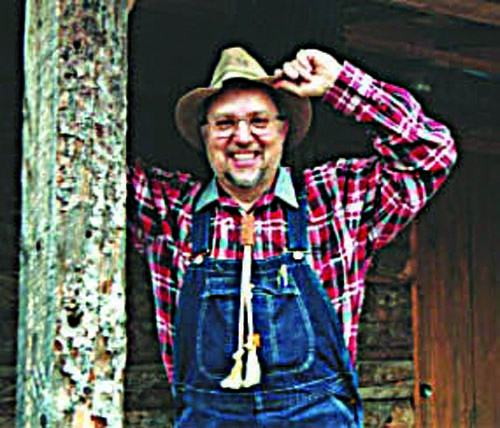
Thayne Cozart
Milo Yield

Good stories about humorous practical jokes are common at the daily Old Geezers’ Coffee & Gabfest. Here’s a good fishy practical joke as related by my new fishing buddy, ol’ Castin Krankitt.

The story goes that a local Riley fisherman and his buddies decided to spend a weekend camping and fishing a nearby river. They spent several days getting ready for their “fishy” weekend. Saturday morning when they got to the river and after they all got settled, they turned to serious fishing.

One fisherman either was really good or really lucky and quickly filled a stringer with nice fish, which he loudly bragged about to anyone within earshot. When his stringer wuz full, he anchored it on the bank close to the camp and went around a bend in the river to continue fishing. He admonished his buddies to “watch my stringer of fish and keep the turtles from eating our supper.”

When he got out of eye-sight, one of his buddies laughed, “Let’s play a fishy practical joke.” That motivated the ornery rascals to pull the stringer of fish out of the water and quickly sliced the fillets off of every fish, being careful to leave only the heads and bare backbones.

Then they put the remains of the filleted fish back on the stringer and waited with high anticipation for the practical joke’s victim to return.

Before long, the victim returned with a few more fish to add to his stringer. When he pulled the stringer from the water, he quickly surmised that a renegade snapping turtle had made a fine meal of his hard-earned fish. And, predictably, he launched into an obscenity-laced tirade at his “friends” for their slovenly inattentiveness.

When they wouldn’t quit laughing, he looked more closely at the turtle-eaten fish carcasses and realized the prank they had pulled on him.

All’s well that ends well, and the buddies enjoyed a fine fish fry that evening and they all left with a life-long memory of their weekend together.

***

Folks who live in rural areas can expect to have both positive and negative encounters with wildlife.

The positive ones are seeing wildlife in idyllic settings like a doe and fawn coming to drink at a pond, or having a covey of quail nearly stop your heart with its flurry of wings with it flushes, or seeing mother birds diligently feeding their babies through the summer.

But, on the other end of the wildlife spectrum are the negative ones like having your pets, chickens, calves, lambs or kid goats killed by coyotes, foxes, hawks or eagles. Or, smacking a deer with your car or pickup and having expensive damages. Or, happening upon hurt or injured wildlife that you have to put out of its suffering.

And, rural law enforcement officers aren’t exempt from negative wildlife encounters and what happened to one unfortunate Riley County police officer one day last week proves the point.

While on patrol, he received notice of a car/deer collision. When he arrived, the poor deer wuz crippled and he, sadly, but dutifully, put it out of its misery.

He had scarcely handled that accident, when another similar car/deer accident happened nearby and he had to investigate that accident, too. The ugly task of killing the crippled deer had to be done again.

But, his negative encounters with wildlife that day were not over. That afternoon he received a call from within the Riley urban boundary (the stuffy new name for city limits) that a coyote and a dog were fighting in a resident’s back yard.

The officer’s investigation showed the call wuz true. A coyote and dog were squared off in the yard and having a tussle. Fearing that the coyote wuz rabid, the officer carefully approached the fight and wuz able to dispatch the coyote with one shot from his service weapon.

And, that’s when the strangest thing happened. Upon seeing the coyote being shot, the dog promptly turned on the officer and bit his leg.

Luckily, the dog bite didn’t draw blood and there wuz no rabies endangerment to the officer. But, I’ll bet he never has another day to equal his negative encounters with wildlife that day.

***

Two nights ago the area around Damphewer Acres had a really good rain. Five inches of rain provided much-needed runoff into the local ponds and flushed out the stagnant creeks. We had some hail stones up to quarter-size, but very little hail damage.

We were lucky and we know it. A lot of rural folks across the nation experienced floods and tornadoes.

***

A worn-down farm wife started nagging her bedraggled husband to take her on vacation. Finally, her exasperated hubby got a map of the U.S., pinned it to the wall, and told his wife to throw a dart at it. Where ever the dart landed, he promised to spend a week with her there.

Little did he know he’s spend the week with his wife behind their refrigerator.

***

Words of wisdom for the week: “Old age is coming at a really bad time for me!” Have a good ‘un.

Just a Little Light: Bright Spot

0

Dawn Phelps
Columnist


The pavement was wet, the day overcast.  Autumn had descended on Kentucky in earnest; even a little puff of wind sent leaves stirring, whirling before they fluttered to the ground to rest.  Many of the tree branches were already bare.

But many leaves still clung to their hosts determinedly, hanging on a little longer. The colors on the trees were dull, and most of the trees wore brown leaves.

My husband Tom and I were driving home from Kentucky after visiting with my sister and her husband who had returned home from rehab after a stroke.  It was autumn.

Our mood was quiet.  We had been saddened by the fact that the stroke had forever changed both their lives.  Sickness has a way of changing the bright colors of our worlds from brightness to a drab grey.

Most of the landscape along the highways, like our mood, was devoid of color.  But ahead of us, proudly standing close to the right side of the highway, something caught our eye—a splotch of bright yellow-orange color, a tree that almost glowed.  It stood out vivid, distinct, and cheerful against a backdrop of less-than-colorful companion trees, a few of which were already bare.

“Tom, look at that tree!” I said excitedly as our car approached the tree.  “Isn’t that beautiful?”  That one tree painted a cheery contrast to its dull surroundings.

Our car whizzed past the delightful sight too quickly, but Tom and I talked about that tree as we traveled down the road.  We wondered how it had escaped the cold and frost that had taken away the color from other trees.

As we drove, we scanned the road ahead of us, searching for more trees like the yellow-orange one.  But we never found another one close to the beauty of that tree.  

I tucked the picture of that bright yellow-orange tree in its dull surroundings into my memory.  That scene is a reminder about life, nature, and people.  Life that brings us the sunny times and grey times—nature with its seasons and people who add joy for others.

During difficult times, hopefully there will be someone there to help brighten your life when you need it.  Those who listen and care are those bright spots in our lives.  The Mother Theresas of the world who bring hope to the poor.  Or the Martin Luther Kings and teachers who encourage us to pursue our dreams.

On a smaller scale, maybe that bright spot is a family member or friend who says, “You can call me anytime.”  I had such a friend—I will never forget her.  Or maybe your bright spot is one who sends you a personal note.  Those who say, “I know you are struggling, but I’ll be here beside you.”

Or someone who says, “Let’s go out for a cup of coffee.”  Maybe your bright spot is a good book, the coo of a baby, happy music, or flowers that emerge in the springtime—things to add color to your world.

Sometimes we are challenged to scan the landscape as we travel along, challenged to search for that bit of brightness to give ourselves emotional boosts when we need them.  Perhaps it is our desire to escape our surroundings that makes us appreciate the bits of color and brightness more when we find them.

Pablo Picasso (1881-1973), a master artist, once said, “Some painters transform the sun into a yellow spot; others transform a yellow spot into the sun.”  In a sense, we are all writing our stories, painting our life pictures, while looking for sunlight.

So maybe we can become someone else’s symbol of hope.  Maybe we too can be that bright yellow-orange tree standing in a patch of grey to “transform a yellow spot into the sun,” someone else’s bright spot.

P.S.  On May 8th, I attended the Monthly Christian Women’s Outreach meeting in Concordia for the first time.  What a marvelous group of ladies!  While there, I connected with several “bright spots” who impacted my life in the past—my favorite nursing instructor, nurse friends, a past coworker, and others.  I also met new ladies who I believe will be “bright spots” in my future.  All I can say is “thank you” to each of you!  And thank you to the wonderful leader, Sheryl Swenson!  


[email protected]

Predator problems? A control guide for livestock producers

0

K-State wildlife specialist outlines non-lethal ways to protect livestock from predators.

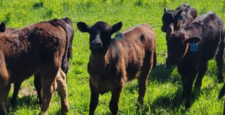
Based on 2020 market values, predators cause approximately $4 million in losses annually to Kansas cattle producers. Likewise, they financially burden the state’s small ruminant operations to the tune of about $750,000 per year.

To mitigate the economic impact and other effects of predation, Kansas State University wildlife specialist Drew Ricketts said producers have various non-lethal control methods available to keep livestock safe.

“The number of coyotes around or removed doesn’t tend to be directly associated with how many losses a producer has,” he said. “So, if you’re not having problems with predators, then hunting or trapping shouldn’t be a chore for you, and trying to lower coyote populations to prevent future predation isn’t an efficient thing to do.”

Dead livestock commonly attracts predators. Thus, Ricketts recommends proper disposal of carcasses away from calving, lambing or kidding areas to lower the risk of a predator attack, noting that young livestock become especially vulnerable.

“All wild predators in Kansas are mainly scavenging when feeding on large food items like livestock,” he said. “If we have dead livestock near those areas, then we are exposing ourselves to more predation by attracting predators to a food source, so composting and hauling off dead animals are crucial and often overlooked.”

Coyotes are the main predators of livestock in Kansas. Yet, Ricketts said domestic dogs account for a sizeable portion of predation incidents as well. To keep both kinds at bay, producers can strategically fence locations to keep dogs and coyotes away from livestock.

“I suggest woven wire fences with 4-inch by 4-inch squares,” Ricketts said. “If you’ve got 12-inch-wide openings six inches tall, coyotes can squeeze right through those fences. Also, there are some excellent designs for electrified fencing.”

He added: “However, coyotes and other predators can climb over a fence, so if you’re trying to achieve 100% exclusion, we want to have a hot wire on top or have a tall enough fence.”

According to Ricketts, predators may also try to expose a fence’s weakness by digging under it, which actually presents an opportunity to catch them.

“Digging under is likely going to happen, but we can use those crawl-under spots to apprehend them before they cause damage,” he said. “So, don’t plug those holes, call me or your local extension office, and I’ll come out and show you how to target and trap those coyotes causing problems.”

Beyond carcass disposal and fencing, producers may choose to practice night penning or securing their livestock in a barn or other structure during night hours.

“Coyotes usually hunt right around sunrise, sunset and through the nighttime,” Ricketts said. “Accordingly, this is one of the most effective ways to exclude predation – especially for small ruminant producers.”

Guardian animals can also keep livestock out of harm’s way. Ricketts said the kind of guardian “depends on the best fit for your operation.” Species often used as guardians include:

Llamas.

Donkeys.

Dogs.

Due to their status as a migratory bird, non-lethal control strategies remain the most common option for black vultures, which can be seen in the far southeast corner of the state.

“You’re going to have to haze them,” Ricketts said. “Deterring them includes a combination of using pyrotechnics, noise-making devices and hanging fake, dead vultures – called effigies – near roosting sites to exclude those birds.”

Sidebar

Lethal predator management and safety

While non-lethal predator management can be an efficient use of time and resources for producers, some scenarios call for lethal predator control, said Kansas State University wildlife specialist Drew Ricketts, noting that hunting and trapping make up the two main strategies.

“We can shoot coyotes when we’re out checking livestock, but by and large most coyote problems that require lethal control are taken care of by trapping and snaring,” he said. “Both methods are a lost art, so I teach producers how to do both effectively.”

Ricketts offers this service as part of his extension program and provides proper equipment to producers looking to trap or snare problem animals. Concerned livestock owners can find contact information for Ricketts online at K-State Extension Wildlife Management.

“The thing to remember is those traps and snares are out there working 100% of the time, so you have to check them once a day,” he said. “Any sort of shooting or calling of predators requires you to be present, so we can also make better use of time with the traps and snares.”

Hunting predators using calls proves to be a safe and selective method of removing wildlife that cause issues.

“You’re seeing the animal when it is alive and making a decision about whether to dispatch it or not,” Ricketts said. “You also have the opportunity to see what’s behind the animal and follow all the appropriate steps for firearm safety to make sure you’re not going to shoot an unintended animal or other resource by accident.”

When a suspected predation occurs, Ricketts said producers should observe all aspects of the scene first, then look for lethal wounds and document the carcass with pictures.

If possible, Ricketts encourages taking pictures prior to moving a carcass, and ensuring they show the posture of the animal, any blood on soil or vegetation and the general scene where the event occurred. Any potential predator attack can be reported to Ricketts at 785-532-1949 or [email protected].

“Oftentimes, we see an animal that’s been chewed into through the abdomen or rectum, and this can be a sign of predation or scavenging, so it is important to look around the head and neck for lethal wounds,” he said. “Take pictures of any scat, or tracks and note if the animal has been covered up before you move it because all of those factors are important when I investigate what happened.”