Monday, February 2, 2026
Home Blog Page 326

Does the Length of the Day Cause Your Body to Obey?

0

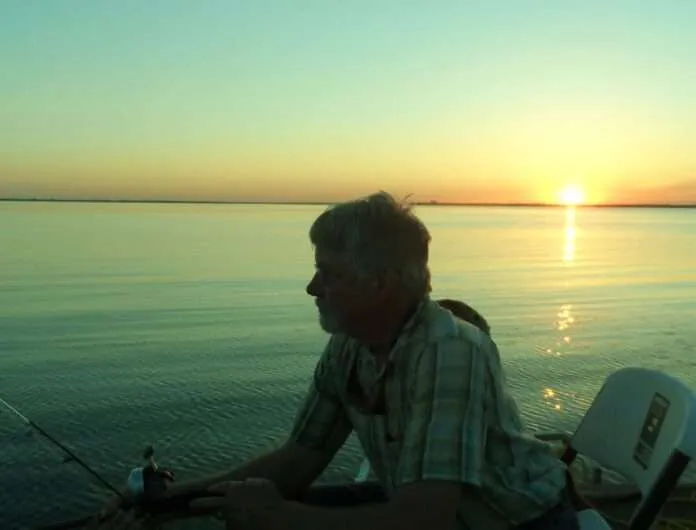
As we hurtle toward our fall time change, it makes me consider how the length-of-days and the increased or decreased amount of sunlight affects all life on this rock. Every living thing has an internal clock of some sort that helps regulate its life. It’s what tells butterflies and birds when to migrate and sea turtles when to lumber ashore to lay their eggs. My internal clock is very reliable as it relates to getting me up in the morning. I have an alarm clock by my bed like most everyone does, but I rarely have to use it. It seems I can just decide in my mind when I want to awaken and when that time rolls around, I awaken. We put our two little dogs to bed about ten PM every night and they also get a treat then. Their internal clock often tells them when it’s time for a snack, as they begin to stir and whine about that time every night, and you can nearly set your watch by it.

Wildlife has different worries in life which are all about survival, like when to begin growing their heavy winter coats or when to begin breeding to sustain their species. All studies and research say that those things are dictated by the amount of daylight in a day, technically known as photo-period. So as the days get shorter and thus the amount of daylight becomes less, it triggers changes in wildlife.

In deer, shortening days and reduced amount of daylight triggers the breeding season known to us as “the rut.” I spoke with now retired Big Game Coordinator for the state of Kansas, who explained to me how increased amount of darkness each day causes increased production of certain hormones in a deer’s body and thus the bodies of both male and female deer prepare for the breeding season. He also pointed out that moon signs and other factors may bring about increased deer activity and changes of behavior, but it is all ultimately controlled by the length of days (photo-period.) As a side note here, have you ever wondered why deer and all wildlife for that matter have their young in the spring and not fall, early winter or even year-round like some domestic livestock? God has programmed their bodies to react the way they do so all wildlife young are born in spring when everything in nature gives them the absolute best chance of survival.

Furbearers are also affected by decreased amount of daylight. Matt Peek, Furbearer Biologist for the state of Kansas explained to me how the photo period dictates when a fur bearer’s pelt becomes “prime.” Fur bearing animals grow an extra-thick, heavy coat to protect them from winter blasts, and when that coat is at its absolute fullest and best for fur harvesting it is called “prime.” Decreasing amounts of daylight initiates that growth. It could be sixty-five degrees clear into December, but the animals’ fur still grows and becomes prime in anticipation of the cold, no matter when it comes, so that the critters are prepared. Fur from different parts of the country varies vastly in quality, as fur from Idaho for example will always be thicker and more luxurious than fur from Florida. But no matter where a fur bearing animal lives, their fur still becomes prime and the timing of that is dictated by the amount of daylight.

I hate the bi-annual time changes; I wish we would just choose one or the other (I really don’t care which one) and then just leave it alone! But twice each year as I scurry around resetting the clocks on the microwave, etc. knowing full well I’ll have to do it again in 6 months, I stop for a moment and consider how the wild critters clocks just kinda’ reset themselves thanks to the wisdom of our Creator. Continue to Explore Kansas Outdoors!

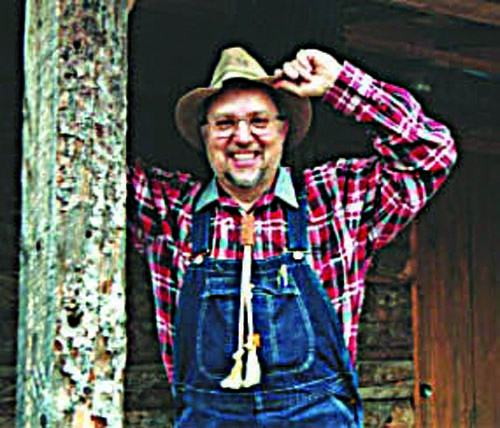
Steve can be contacted by email at [email protected].
“Lived Experiences”

0

Everyone we know, meet, or pass in the grocery store has their own set of personal life experiences that are unique from our own. We all come from different places, have our own set of genetics, and have different parents or families, which is part of what makes us unique from each other. We can even have different experiences than our siblings who grow up in the same home as us.

Our experiences are part of what help us learn, create adaptations to the world around us, and how we continue to grow into who we want to be. The number one goal of our body and brain is to maintain safety and security within our environment. From the moment we are born, our brain seeks for our basic needs to be met, whether it is connection, sleep, or food. As we grow, these needs becomes more complex as our abilities and understanding of the world grow with us.

During our most informative early years, our brain and body are developing rapidly to learn how to maintain safety and connection in the world around us. The experiences that we have during these impactful times set the stage for how we begin to create adaptations, responses, and our view of ourselves.

Our lived experiences can be either positive or negative, and sometimes they can even be traumatic. Everyone creates their own set of responses to experiences and threats in their environment through these lived experiences, and the most common responses are fight, flight, freeze and fawn. The prefrontal cortex of our brain is where we maintain our ability to reason, make good decisions, and take in information around us. When our body experiences a threat to our safety within our environment, our prefrontal cortex may go “offline” and our amygdala takes over, which is the portion of our brain that controls our emotions. Our amygdala signals for our response to keep ourselves safe from the threat to take control.

If our response is fight, we might have anger outbursts, become aggressive, be impulsive, or have explosive behaviors. If our response is flight, we might become, anxious, experience panic attacks, throw ourselves into our work, and tend to be perfectionists, or become over analytical. If our response is freeze, we may have depressive tendencies, disassociate, feel indecisive, feel numb, space out or isolate from others. If we have a fawn response, we may people please, be co-dependent, have a lack of identity and boundaries with others, avoid conflict, or have an inability to say no. You can experience on or all of these responses during any given event.

These responses are natural adaptations that may be our brain’s way of keeping us safe in situations or environments that feel threatening. While these responses may be a natural way for our brain to maintain safety, we can also work to re-wire our responses through coping skills and awareness of how our experiences have affected us.

It starts with an awareness that we, and others around us, have had lived experiences that have created these responses. When we are aware of this, we have the ability to process, understand, and create positive mechanisms to heal from our traumatic experiences.

Curstie provides outpatient therapy for across the lifespan for adults, adolescents, and children starting at age 4. She utilizes a trauma-informed approach for people struggling with anxiety, depression, abuse, trauma, interpersonal issues, grief and social and emotional wellness. Her practice includes play therapy, solution-focused therapy, strengths-based therapy, and cognitive behavioral therapy and mindfulness strategies. Follow The Prairie Doc® at www.prairiedoc.org and on Facebook featuring On Call with the Prairie Doc® a medical Q&A show providing health information based on science, built on trust for 22 Seasons, streaming live on Facebook most Thursdays at 7 p.m. central.

Sauerkraut Salad

0

Going to rub in the fact that I’m sitting here writing, while drinking a cup of Michigan Cherry Coffee and eating a ‘cowboy’ cookie! Nice way to wrap up a Saturday afternoon! I’m usually a sugar and cream gal when I enjoy a cup of coffee, but when I drink the Michigan Cherry Coffee, it’s black all the way. You can smell and taste the vibrant flavors. It’s easy to acquire, I ordered mine a few months ago on Amazon.

Back when I was teaching at the culinary school, in Silver Dollar City, we hosted box suppers during the ‘Southern Gospel Picnic’. Guests set on the back porch enjoying a homemade meal while listening to the evening concert, in Echo Hollow.

We featured lots of great sandwiches during the many years of hosting the suppers. Probably one of my favorites is what I jokingly called the ‘Cold Reuben’ sandwich. It was prepared with turkey pastrami, cheese, and mayonnaise on a marble bread. The kraut salad featured today is a marinate I wrote to actually serve on the sandwich, after draining it, of course. When first served I didn’t know how it was going to be accepted. No problem-o the guests loved it. After the first or second year we started putting the kraut portion in a serving cup on the plate. The guests would eat a portion without the sandwich and then spread the rest on the pastrami as we had intentionally planned.

In this season of hot days and balmy nights I thought you might enjoy this rather unique recipe. Don’t think you have to make an entire recipe either, cut it in half, if need be. Because I enjoy really good sandwiches, we decided to stop in Macon, Missouri, at a specialty café on the way back to Branson West, last week. I got a chicken salad sandwich and spent most of the time shaking my head, regarding the amount of salad on my 2 slices of bread. I ‘think’ the salad was ok, but I couldn’t get enough in a bite to tell! I looked across the table at my steadfast partner and spouse and said: ‘Gee I wish we were at the sandwich shop in Kimberling City, MO, instead of here.’ Ervin & I concurred we needed to promote this wonderful local shop, in my column this week.

This morning, we ran down to visit our neighbors, Al & Beth Lockhart who own the ‘Sandwich Shop’ at Buttonwood Plaza, located in Kimberling City, MO. They serve handmade sandwiches, soups and beautiful salads from 10-4pm

daily. Their arrival in the Ozarks came with a pleura of experiences including running a deli, back in Illinois. Since opening the shop in 2023 the community has watched it grow into an ‘award-winning’ restaurant. 417 Magazine presented them with honors this spring; recently the community voted it as one of the best up and coming restaurants. What’s the foundation of their great success? Personally; I would pin it once again on ‘consistency’. Every time you enter the store you can count on the quality. Boars Head Meats and breads that have been in our country for generations reflect the quality of foods Al & Beth Lockhart bring to the Lake area. The Buttonwood ‘family’ includes: ‘The Funky Twig’,

serving unique ice cream, ‘The Bistro Restaurant’ and the brand-new ‘Stix Golf Lounge’. They’re surrounded by ice cream, coffees and a full- service restaurant, plus the new Golf Lounge, which will be opening very soon.

Headed out for a day on the lake? Call in your sandwich order to ‘The Sandwich Shop’. Conclude the afternoon with the delicious ice cream at ‘The Funky Twig’. After a shower and a cold drink head back to the ‘Bistro’ for entertainment and dining. Let’s not forget the Print Shop on the north end for t-shirts, hats and all your printing needs. Visit Al & Beth Lockhart at ‘The Sandwich Shop’, located at 13272 Hwy. 13, Kimberling City, MO.

Monday – Friday 10-4, Saturday 10-2, CLOSED on Sundays. Catch up with them on Facebook!

Simply yours, The Covered Dish

Sweet n’ Sour Kraut & Peppers or Sauerkraut Salad

2-3 thinly sliced colored peppers

1 large onion, sliced thin

2 (15 ounce) cans Bavarian Style Kraut, drained

Dressing

1/2 cup brown sugar

3/4 cup white sugar

1/2 cup white vinegar

1/2 cup oil of choice

1/2 teaspoon celery seed

1/2 teaspoon black pepper

Prepare vegetables as indicated above, place in a bowl with a tight lid. Mix brown sugar, white sugar and white vinegar together. Heat in the microwave until sugars are well dissolved. Add oil and spices. Pour dressing over the peppers, onions and kraut, stirring to blend.

Serve as a salad, or drain well removing as much dressing as possible and serve on a Reuben or Pastrami sandwich.

Will make enough salad for 6 – 8 persons or enough sandwich toppings for about 10-12 sandwiches.

Goodbye Summer, Hello Fall

0

It has been one heck of a summer filled with Olympic achievements, scorching heat, and more political propaganda than I care to glance at. Hopefully, for many of you, it was also a
summer of relaxation and vacationing. Spending time with the family away from home can be the recharge that so many of us look for every year. Although perhaps, like many parents, you’re more excited about the kids being out of the house at school. Whatever the case may be, let’s take a look at a quick summer recap, revisiting all of the important events throughout the last couple of months.

First of all, Olympic news. Team USA pulled through in the final quarter to win the most medals overall and tie with China for the most gold medals. At the beginning of this month, the United States had 6 gold medals and finished on the 11th with 40. The US had 126 medals in total. China, in second place, had 91 overall. This continues a winning streak for the United States in the highest amount of medals won in all events every Summer Olympics since 1996. In other news, Breakdancing will not be included in the 2028 Olympics. It was added this year in an effort to appeal to younger audiences but was evidently not quite up to the Olympic organizer’s standards. Watching each of these competitors at the peak of their talent is quite impressive, to say the least. The next Summer Olympic Games are coming to Los Angeles in 2028, and needless to say, I’m already looking forward to it.

It’s no secret that this summer has been a real scorcher. Does anyone else remember the summers when Kansas would get about a week’s worth of hundred-degree weather, and it’d stay in the 90s otherwise? If only we’d be so lucky again, it seems as though we’ve had a heat advisory every other day these past couple of months. Regardless, the heat isn’t the only of our worries, many parts of the state are experiencing the intense pressure of drought, brought on by hot summers year after year. While there has been some rain for different parts of the state, it doesn’t quite stick around very often. In order to combat the current issues, lawmakers and city councils have had to turn to limiting water use for civilians. We can only hope that this winter brings heavy snowfall to our state.

Now that the Olympics are over and as the summer draws to a close, the political frustration will only get worse. It’s important to remember that no matter what your beliefs are or where you lie in the political spectrum the people on the other side of the aisle are human too. We’re all made of the same matter from this rock spinning in the vast expanse of space, are politics really important enough to generate cruelty or hatred for one another? I don’t know about you, but I’d rather spend my energy helping others out than tearing them down, no matter how much I disagree with them. Overall, this past summer has been quite an adventure.

Even if you didn’t manage to get that family vacation in, weekend getaways can always be had throughout the school year. Either that, or there’s always winter break too. So as this next school year begins and the kids settle into their routines, just remember not to take life too seriously, and the Fall months may be just as relaxing as Summer. Who knows, you might just have a little fun along the way.

Silly food fights

0
Thayne Cozart
Milo Yield

I see two kinds of silly food fights. One takes place in children and teenager school lunch rooms with flying rolls and biscuits.

The other takes place in serious research laboratories across the globe. It’s the latter that prompted this column’s heading because conflicting food and dietary research findings are regularly foisted off on us “eaters.” It happens so often that it’s just plain silly.

So, I’ve got some personal advice about following advice about what constitutes a healthful diet. Here’s my advice: You’ll never be right and you’ll never be wrong. That’s becuz scientific dietary research changes about as often as a person blinks. I’ll boil it down to this observation: If you’ve got enuf money to fund some dietary research, you’ll be happy with the results.

In recent years, the government’s official dietary guidelines have fluctuated all over the spectrum. For instance, red meat was once a no-no, then it became back in vogue as an excellent protein source. Not long ago, eggs were non-grata, but now are also back in vogue. High-carb diets have been in and out. Same with Paleo diets.

For years, a Mediterranean diet with lots of olive oil wuz highly recommended — until research put its benefits into question.

Recently, I talked about the silly food fight over raw milk versus pasteurized milk. Well, this week I ran across a new dietary research finding that calls into question the food value of cheeses and all dairy products.

So, now a silly food fight is brewing about how much dairy foods are good for you. The story I read said that a storm of controversy is swirling over the humble glass of milk. It goes on that multiple servings of milk, cheese or yogurt have long been a staple of American nutrition advice, but now a growing number of researchers and doctors say you need less dairy than you think, and maybe even none at all.

The U.S. government, which recommends that adults eat three servings of dairy a day, is taking a fresh look at its guidance. A hallowed committee of scientific advisers is analyzing diets with lower amounts of dairy to study what happens to people’s nutrient levels. Other countries already recommend less dairy than the U.S. does. The problem? Conflicting results.

Dairy-rich diets have been linked to increased risks of heart disease and certain cancers in some studies. Foods like ice cream, full-fat cheese and pizza are high in calories and saturated fat. However, the research isn’t clear-cut. Some studies link dairy foods to a lower risk of heart disease, some cancers and Type 2 diabetes.

The story I read says that when it comes to milk, scientists can’t agree on whether full fat or skim is better. One reason we don’t have definitive answers on dairy: Many studies are observational, meaning scientists ask people what they eat and look at their health over time. Always keep in mind the dairy industry funds some of the research. But, so do many other entities.

Still, some useful findings have emerged. There is evidence that a diet high in dairy may lower the risk of colon cancer. The calcium and vitamin D seem to inhibit the growth of cancer cells in the colon. Certain fatty acids in dairy may also have an anti-inflammatory effect, which can reduce cancer risk. By contrast, dairy consumption also is linked to a higher risk of prostate cancer. Dairy foods may increase the level of insulin-like growth factor, a hormone that may fuel prostate cancer growth.

So, how am I personally responding to all the conflicting pseudo-research about dairy foods. Well, I’m one of America’s premier cheese eaters. I like about every kind that’s made — hard and soft, sharp and mild, sliced and bulk, and cottage. In addition, I use Half-And-Half every day and I eat yogurt regularly.

So, my advice. Eat all the cheese you want. Eventually, some new dietary research will make your choice a good one — based on science.

***

Talking of food, at this morning’s Old Geezers’ Coffee Klatch the subject for some reason got sidetracked onto what I call “ugh or yuck” foods. The ages of the klatch members range from 70 to 90, so collectively we’ve seen a lot of unappetizing food history.

Our history goes back to our early years when putting food on the family table three times a day wuz a challenge our families met by not wasting sources of food. Our memories turned to such “delectables” as head cheese, blood pudding, pickled pigs feet, sweet breads and other meat animal internal organs like tongue, heart, liver, gizzards, chicken feet, and using cleaned intestines for stuffing with sausage.

When it came to edible wild game, our memories ran the gamut from quail, pheasant, doves, wild turkeys, ducks, geese, venison, rabbits, squirrels, raccoons, beaver tails, and every kind of fish that could be harvested by hook or crook.

Eating all those “yummy” foods must have not hurt us. We’ve all lived to ripe old ages.

***

Speaking of ripe old ages, Nevah and I finally reached the official date of our 60th wedding anniversary — Aug. 16. And, do you know what? That’s the very day she decided to leave me — for eight days — while she vamoosed on a long-ago planned river cruise with her best friend Diane.

They will meet in Nashville, Tenn., and cruise the Cumberland, Ohio, and Mississippi rivers down to Memphis. Their travel agenda includes attending the Grand Ol’ Opry in Nashville and various interesting ports-of-call along the way.

So, I’m entering an 8-day stint of bachelorhood cooking for myself, working in the garden, and keeping the foxtail lawn mown short. Who knows, I might even decide to take a short trip myself.

***

My words of wisdom for the week: The biggest joke on mankind is that computers have begun asking humans to prove they aren’t a robot.

Have a good ‘un.