Tuesday, January 27, 2026
Home Blog Page 4561

Forget Fad Diets and Focus on Health

0
Photo courtesy of Getty Images

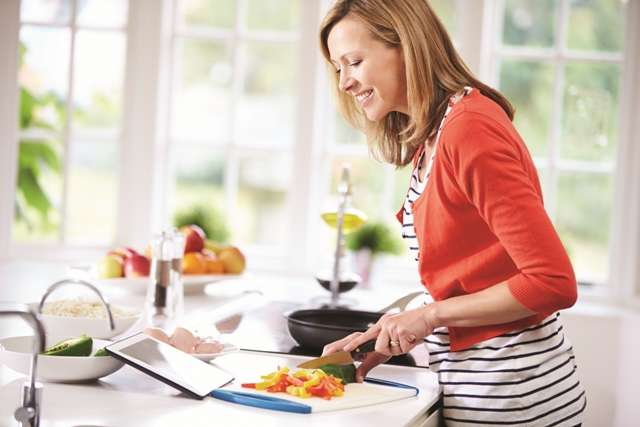
(Family Features) If you recently committed to managing your weight or dieting, it may be time to change your approach. For long-term results, ditch fad dieting and adopt a balanced approach to eating with a focus on healthy foods.


Being healthy isn’t just about fitting into skinny jeans. According to a recent national survey, there are many reasons why women consider dieting: 68 percent want to improve their health, 51 percent want to look their best, and 39 percent want to have more energy.


With these goals in mind, it may not come as a surprise that survey participants reported being on an average of nine diets in their lifetimes. In fact, 76 percent of American women who have dieted admit to having tried a fad diet.


However, nearly two out of three women believe fad diets are difficult to maintain. What’s more, these diets may even be unhealthy, according to the Weight-control Information Network (WIN).


Some fad diets fail to provide your body with the nutrients your body needs. In addition, sustained rapid weight loss can increase your risk of gallbladder problems, and heart problems can result from consuming too few calories for too long.


To maintain a healthy weight and healthier lifestyle, the experts at WIN suggest focusing on establishing these healthy habits:


  • Choose healthy foods, with a diet rich in fruits and veggies.
  • Manage calorie intake and portion size. Keep on track by using a smaller plate, paying close attention to nutrition labels and weighing portions on a scale.
  • Make exercise part of your daily life. Even activities such as gardening or taking the stairs can make a difference.


Managing your metabolism – how your body uses calories – is another key to healthy eating. Eating foods that deliver plenty of protein and fiber are all keys to maximizing your metabolism.


When it comes to healthy food, look for wholesome, nutritious options, even when you snack. For example, new Great Grains Granolas and The Bar Undone snack mixes are the first non-cereal Great Grains offerings. Made with less processed ingredients for more wholesome nutrition in every handful, each serving of Great Grains The Bar Undone snack mix has at least 8 grams of protein and 4 grams of fiber. One half-cup serving of new Great Grains Granola contains at least 26 grams of whole grains.


“At Great Grains, we believe when it comes to healthy eating, the secret is, there is no secret,” said Mangala D’Sa, Senior Director of Marketing for Post Foods. “A fad-free diet, complete with wholesome, nutritious foods is key to healthy eating.”


A balanced approach to eating, coupled with a few lifestyle changes, are all the tools you need to succeed on your weight control quest. For more smart eating tips and recipes, visit www.greatgrains.com.


Source: Post Cereals

Pantry Essentials for Nutritious Homemade Meals

0

(Family Features) Every parent has been there. It’s Thursday afternoon and the kids are asking, “What’s for dinner?” Searching for inspiration, you head to the refrigerator, only to realize that the groceries you bought on Sunday have run out or spoiled. But before the panic sets in and you reach for the takeout menus, remember that the solution for a wholesome, homemade meal is right in your pantry — or “Cantry.”


“With a well-stocked pantry full of canned ingredients, I know I always have the makings of a nutritious and flavorful meal,” said Kelsey Nixon, host of “Kelsey’s Essentials” on Cooking Channel and Food Network. “Fruits and vegetables are harvested at their peak of ripeness and canned in just hours, making the can one of the best ways to get food from its source to my family’s table. I just open up a can, unlock that flavor and goodness and make it a ‘Cantry’ Thursday night!”


With canned food staples like canned beans, chicken, green beans and broth on hand, you’ll be well on your way to savory meals like Quinoa Chicken Vegetable Salad and Nixon’s Pasta e Fagioli Soup.


For more information about the canning process, delicious recipes and to learn how you can get cooking with canned foods, visit CansGetYouCooking.com.


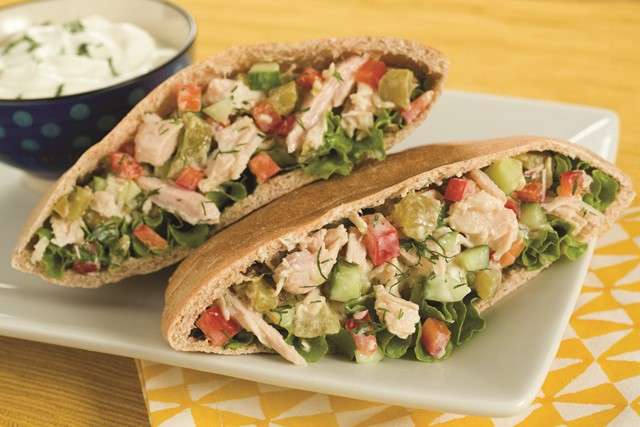
Mediterranean Chicken PitasMediterranean Chicken Pitas

Prep time: 10 minutes

Servings: 2

1          (10-ounce) can chicken breast, drained and flaked

1/2       cup finely chopped cucumber

1/2       cup finely chopped red bell pepper

1          (4.5-ounce) can chopped green chilies, drained

1/4       cup Greek yogurt

2          tablespoons fresh chopped dill

2          whole wheat pitas

4          lettuce leaves


In large bowl combine chicken, cucumber, red bell pepper, green chilies, yogurt and dill; toss to mix well.


Cut each pita in half horizontally; carefully open each pita half. Fill each with 2 lettuce leaves and half of chicken mixture.


Pasta e Fagioli SoupPasta e Fagioli Soup

Recipe created by Kelsey Nixon

Prep time: 5 minutes

Cook time: 25 minutes

Servings: 4

2          tablespoons extra-virgin olive oil

4          ounces chopped pancetta (about 1/2 cup)

1          medium yellow onion, finely chopped

3          cloves garlic, minced

2          teaspoons fresh thyme leaves

1/2       teaspoon kosher salt

1/2       teaspoon cracked black pepper

2          (15-ounce) cans cannellini beans, drained and rinsed

1          (14.5-ounce) can diced fire-roasted tomatoes

3          (14.5-ounce) cans chicken broth

1 1/2    cups ditalini pasta (short tubular pasta)

1/4       cup grated Parmesan cheese, for garnish


In large heavy-bottomed pot, heat olive oil over medium-high heat. Brown pancetta bits just until they start to crisp before adding onion, garlic and thyme. Season with salt and pepper, and saute until fragrant and golden brown.


Add canned beans, tomatoes and chicken broth. Bring soup to rapid boil before adding pasta. Reduce to simmer and cook soup covered, stirring occasionally for 8–10 minutes or until pasta is cooked al dente.


Season with salt and pepper to taste before serving. Garnish with Parmesan cheese and serve with crusty bread.


Note: You can substitute bacon for pancetta, if desired.


Quinoa Chicken Vegetable SaladQuinoa Chicken Vegetable Salad

Prep time: 5 minutes

Cook time: 10 minutes

Servings: 6

1          (14.5-ounce) can chicken broth

1          cup quinoa

1          (14-ounce) can diced tomatoes, drained

1          (10-ounce) can chicken breast, drained and flaked

1          (8-ounce) can cut green beans, drained

1          (8.75-ounce) can corn, drained

3          tablespoons extra-virgin olive oil

2          tablespoons fresh lemon juice

2          tablespoons fresh chopped parsley

1/4       teaspoon ground black pepper


In medium saucepan over high heat, heat chicken broth and quinoa to boiling. Cover and simmer, stirring occasionally, about 10 minutes. Set aside to cool.


In large bowl, combine cooled quinoa, diced tomatoes, chicken breast, green beans, corn, olive oil, lemon juice, parsley and pepper; toss to mix well.


Pea and Corn RisottoPea and Corn Risotto

Servings: 4

4          cups canned low sodium chicken broth

2          tablespoons extra-virgin olive oil

1          small onion, diced

1          cup Arborio rice

1          (11-ounce) can no salt added whole-kernel corn, drained

1          (8.5-ounce) can low sodium peas, drained

1/4       cup grated Parmesan cheese

1          tablespoon butter

Salt and ground black pepper, to taste


In 2-quart saucepan over high heat, heat chicken broth to simmering; keep warm.


Meanwhile, in 3-quart saucepan over medium heat, in hot olive oil, cook onion until tender-crisp, stirring occasionally. Add rice and cook for 2 minutes until coated with oil. Gradually add chicken broth, 1/2 cup at a time, until absorbed, stirring frequently. Continue adding remaining broth, 1/2 cup at a time, stirring occasionally, cooking rice until al dente, about 25 minutes.


Stir in corn, peas, Parmesan cheese and butter to heat through. Add salt and pepper to taste. Serve immediately.


Almond Cherry Tres Leches CakeAlmond Cherry Tres Leches Cake

Recipe created by Kelsey Nixon

Servings: 12

Cake:

1 1/2    cups all-purpose flour

1 1/2    teaspoons baking powder

1/2       teaspoon salt

1/2       cup unsalted butter, softened

1          cup granulated sugar

5          large eggs

1/2       teaspoon almond extract

1          (14.5-ounce) can pitted cherries, thoroughly drained

Tres leches mixture:

1/4       cup heavy cream

1          (12-ounce) can evaporated milk

1          (14-ounce) can sweetened condensed milk

Icing:

1 1/2    cups heavy cream, chilled

4          tablespoons powdered sugar

1/4       teaspoon almond extract

1/4       cup chopped almonds, toasted


For cake, preheat oven to 350°F. Grease and flour 9-by-13-inch cake pan.


Whisk together flour, baking powder and salt into large mixing bowl.


Cream butter, sugar and eggs with electric mixer on high until yolks turn pale yellow. Mix in almond extract. Slowly incorporate dry ingredients into wet ingredients until fully combined — avoid over-mixing. Pour into prepared pan, evenly spreading batter out.


Bake until cake has cooked through, 30 minutes. Cool slightly, then pierce surface of cake with fork several times.


Combine heavy cream, evaporated milk and condensed milk in small bowl or pitcher. Drizzle milk mixture over top and allow cake to sit and absorb milk mixture.


For icing, whip together heavy cream, sugar and almond extract. Spread evenly over top of soaked cake. Top with toasted almonds.


Refrigerate at least 2 hours or until ready to serve.

Source: CMI

Program Provides Free Access To Tax Prep Software

0

(NAPS)—There’s good news for taxpayers looking for a safe way to save money at tax time.

Thanks to a public-private partnership between the IRS and a coalition of industry-leading tax software companies, there’s a program that provides qualified taxpayers with free, online, name-brand tax preparation software products.

Called the IRS Free File program, it’s designed to make tax time easier by walking taxpayers who qualify through the filing process online and ensuring that they capture all the credits and deductions they deserve. To take advantage of the program, taxpayers must have an adjusted gross income of $60,000 or less.

By using the program, eligible taxpayers can easily and accurately complete their federal tax return with trusted name-brand tax preparation software products.

Since its creation in 2003, the Free File program has donated 40 million federal tax returns. That translates to a total savings for taxpayers of more than $1.3 billion in tax preparation costs donated. Approximately 70 percent of U.S. taxpayers are eligible for the Free File program.

The Power Of Technology

Ed Black, president and CEO of the Computer & Communications Industry Association (CCIA), said that the Free File program is a great example of the power of technology to improve the lives of all Americans. Black added that CCIA is proud to support Free File and will be working this year to help ensure all eligible taxpayers are aware of this “important program.”

Additionally, 20 states plus the District of Columbia sponsor a state-level Free File program, allowing eligible residents to easily and accurately complete both their federal and state taxes for free.

For more information, visit the websites at www.irs.gov/freefile and www.taxprephelp.org.


Thanks to a public-private partnership, eligible taxpayers can have free access to name-brand tax preparation software products when filing their federal taxes.

Mitigating Global Challenges Focus of Inaugural Henry C. Gardiner Lecture

0
Pictured (l to r): John Floros, dean of the College of Agriculture, Robert Fraley, Monsanto Company, and Mark Gardiner, son of Henry C. Gardiner.

Monsanto Executive and 2013 World Food Prize Recipient Addresses Food Security

MANHATTAN, Kan. — In the next 35 years, farmers will have to produce more food than the world has produced in its history, a challenge some are calling the greatest challenge we’ve ever faced. However daunting it may seem, Robert Fraley is optimistic.

Fraley, the executive vice president and chief technology officer for Monsanto Company who was part of a team of scientists to first genetically modify plants, spoke at the inaugural Henry C. Gardiner Lecture at Kansas State University on Monday. Fraley addressed the challenges facing agriculture in the coming decades and the resources needed to achieve food security.

“What excites me is a world in which we are smart about our innovation and take a bold step forward and use science,” Fraley told the packed audience at McCain Auditorium.

Farmers, which account for less than 1 percent of the population, are expected to feed more than 9 billion people by 2050, while facing limited resources and changing climate conditions. Despite the challenges that lie ahead, Fraley points out that the agricultural industry has already made advances in increasing production because of two major breakthrough areas: biology and information technology.
Technology Changes Crop Production

“I know I’m expected to say genetically modified organisms are the answer to everything, but I think the most remarkable story is how our technology has changed the way we produce crops,” Fraley said.

That technology now enables easier and more extensive management of fields and advances in biology change how scientists breed crops. Fraley says accessibility to technology also is changing the game for smallholder farmers, which account for more than 90 percent of agricultural production. In India, seven out of 10 farmers now have a cellphone, which Fraley says is a tool that gives them access to markets, credit and agronomic information.

However, he doesn’t leave GMOs out of the equation for feeding a larger population. Fraley points out that these organisms, designed to withstand factors like climate and pests, have been consumed for 20 years and every major scientific body and regulatory agency in the world has concluded GMO products are safe. He says the misunderstanding about their safety comes from lack of scientific education for the general public.

“The biggest mistake Monsanto made was they were excited about the product and spent all their time talking to farmers and didn’t talk to the public,” Fraley said. “The combination of complexity and misinformation was never addressed, and now Monsanto is trying to do a better job of directly informing the consumer about these products because people want to know where their food comes from.”

However, education about farming practices is not only a job for Monsanto, Fraley said. He encouraged the audience— filled with students, farmers and the general public— to educate the other 99 percent of the population not involved in farming.

About 1,000 people attended the first Henry C. Gardiner lecture, established in honor of the Kansas State University graduate who was a visionary leader in the U.S. cattle industry. The purpose of the lecture series is to bring leaders in the global food systems from throughout the world to present their views and provide a forum for open discussion.

“As the first lecture in the series, it was a spectacular success,” said John Floros, dean of the College of Agriculture. “The presentation was in depth where it needed to be but broad enough that anyone can understand these agricultural issues. The questions from the audience were tough but thoughtful and Fraley did a good job answering those questions respectfully. I hope to follow up next year with another speaker as compelling.”

Use a Planting Calendar

0

If you start vegetable plants indoors, it is often helpful to list seeding dates on a calendar so that plants are ready for transplanting at the proper time.
To do this, choose your transplant date and count back the number of weeks necessary to grow your own transplants. For example, cabbage, broccoli, and cauliflower are usually transplanted in late March to early April. It takes 8 weeks from seeding to transplant size. Plants should be seeded in early February. Information on how many weeks it takes to grow transplants is available in our January 6 newsletter at http://www.hfrr.ksu.edu/doc4036.ashx .

Below are examples of some common vegetables grown for transplants and a recommended date for seeding.  Dates are Saturdays as this is when many homeowners have the most free time. The dates are not set in stone, and a week earlier or later will not ruin the plants. Also, you may want to seed a week or two earlier if you are in southern Kansas and possibly a week later if you are in northern Kansas. Keep notes on how well the transplants did so you can tweak the planting schedule. Your conditions may result in plants that need a bit more or a bit less time. (Ward Upham)

Seeding         Transplant
Crop                     Date          Date
Cabbage, Broccoli
& Cauliflower       February 7        April 4

Lettuce  (if you
grow transplants)  February 7         April 4

Peppers                 March 21         May 16
Tomatoes              March 28         May 9

Local Seed Sources
A couple of weeks ago, we asked for anyone selling seeds in Kansas to contact us with their information.  Following are the companies who provided that information.

Clinton Parkway Nursery
4900 Clinton Parkway (corner of Clinton Parkway & Wakarusa) Phone Number: (785)842-3081
E-mail: [email protected]
In store sales only.
Prepackaged seed only: pre-packaged Renee’s Garden.
Transplants: …a wide variety and assorted sizes!

Jackson’s Greenhouse & Garden Center, Inc.
1933 NW Lower Silver Lake Road
Topeka, KS 66608
785-232-3416  fax 785-233-6348
www.jacksonsgreenhouse.com
[email protected]
We have 60+varieties of tomatoes, 60+varieties peppers, much more.

Seeds from Italy
PO box 3908
Lawrence, KS 66046
Phone: 785-748-0959
Fax:   785-748-0609
Web site: www.growitalian.com

Skinner Garden Store, Inc.
4237 NW Lower Silver Lake Road
Topeka, KS 66618
785-233-9657
[email protected]
www.skinnergardenstore.com
In store sales only.
Everything we sell is prepackaged, but we can special order many thing in larger quantities.
We sell all kinds of transplants.

(Ward Upham)