Tuesday, February 17, 2026
Home Blog Page 483

“Sexual function and aging”

0

As husband and wife urologists, we talk a lot about sex (mainly at work). There are several issues that commonly arise in our patients that can lead to a less than satisfactory sex life. The great news is many treatment options exist.

There are many factors affecting men and women as they age that can interfere with sexual relations. In women, vaginal dryness, prolapse and incontinence are most common. A decrease in circulating estrogen in peri and post-menopausal women leads to atrophy, or dryness, of the vagina that can result in pain. Symptomatic pelvic organ prolapse can create physical barriers to intercourse. Embarrassing urinary incontinence is another reason some shy away from intimacy.

Nearly all women who are experiencing painful vaginal dryness or dyspareunia (pain with intercourse) can be safely treated with a vaginal estrogen cream. Unlike hormone replacement therapy (HRT), vaginal estrogen poses few risks and can safely be administered without fear of cancer, stroke or clotting problems. The cream is placed in the vagina several times weekly at night, helping to improve tissue quality and relieve symptoms of pain and dryness.

For women who struggle with a vaginal bulge, many options exist to maintain sexual function. A pessary can be fitted in some women who are able to remove it themselves. More often, outpatient surgery is used to restore normal anatomy and maintain sexual function if desired.

Incontinence, the involuntary leakage of urine, has many causes and several treatment options exist depending on the type.

Diagnosing and treating male urologic factors are also key to maintaining intimacy. Erectile dysfunction (ED) is common in aging men for a variety of reasons including but not limited to vascular, hormonal and psychologic issues. Certain treatments for an enlarged prostate or prostate cancer can also lead to ED. The backbone of therapy for erectile dysfunction includes pills like Viagra or Cialis. For some men who do not respond well to these medications or have side effects that are intolerable, penile injections provide a simple and effective solution. As a last resort, surgical options are also available.

Peyronies disease is another issue we frequently see in men that affects sexual quality of life. This is caused by deposits of scar tissue in the penis. This scar tissue can frequently cause curvature with erection, which makes sex difficult or painful. Excellent non-operative and operative treatments exist which can restore a couple’s sexual quality of life.

Whether sexual intercourse remains a priority in your relationship as you age is a very personal decision and is ultimately up to you. If you are suffering from conditions interfering with your ability to be sexually active, many treatment options exist and we encourage you to speak with your doctor about these issues.

-D. Joseph Thum and Lauren Wood Thum are both board certified Urologists at Urology Specialists in Sioux Falls, SD. Dr. Joseph Thum also sees patients in Worthington. In their free time, they enjoy the outdoors and spending time with their sons and German Shepherds. Follow The Prairie Doc® at www.prairiedoc.org and on facebook featuring On Call with the Prairie Doc a medical Q&A show providing health information based on science, built on trust, streaming live on Facebook most Thursdays at 7 pm central.

“The Nagging Cough”

0

“I’ve got this cough that just won’t go away,” my patient says, and I know this story all too well. Chronic cough, a cough that lasts more than two months, is a common ailment which in most cases is benign. But for the patient it is both bothersome and worrisome.

If your cough has lasted for less than two months it may just be the residual effect of an upper respiratory infection. Dry cough after having one of many viruses can last for weeks and weeks, and the only cure is time.

In patients who do have chronic cough, my first task is taking a good history. Are or were they a heavy smoker? If so I will be more apt to rule out cancer and consider lung imaging. I will also be suspicious of chronic obstructive pulmonary disease (COPD) which can be diagnosed by breathing tests. But many of these patients have no or little smoking history so are at low risk for those things. Why are they coughing? I can think of a few common reasons.

Mild asthma often causes cough at nighttime, in the cold, or with activity; it isn’t always accompanied by wheezing. Simple breathing tests in the office can help us diagnose asthma, and it can be greatly helped with inhaled medications.

Post-nasal drip is extremely common, and we have probably all experienced it with a cold or allergies. For patients who have this chronically, the mucous produced in the nose drains down the throat, causing irritation to the upper airway and an annoying cough. If this seems likely, I suggest the patient tries a steroid nasal spray every day for a month or two, and if that resolves the cough we have our answer.

Gastroesophageal reflux disease, or GERD, doesn’t always cause classic heartburn. As the stomach acid creeps up the esophagus, especially when lying flat at night, it can get high enough to irritate the upper airway and cause cough. As with post-nasal drip, sometimes we just try treating this ailment with an acid reducing medication for a couple months to see if this cures the cough.

Finally, a commonly used type of medication can actually cause benign cough as a side effect. ACE inhibitors like lisinopril are excellent drugs for hypertension and heart disease, but around 5-10% of people will get a dry cough with it. If so, the cough resolves when we stop the med.

Back to my patient. “Tell me more about your cough,” I say. “I’m confident we can figure out what is going on, even if it takes a little time.”

Kelly Evans-Hullinger, M.D. is part of The Prairie Doc® team of physicians and currently practices internal medicine in Brookings, South Dakota. Follow The Prairie Doc® at www.prairiedoc.org and on Facebook featuring On Call with the Prairie Doc® a medical Q&A show providing health information based on science, built on trust, streaming live on Facebook most Thursdays at 7 p.m. central.

How to manage garden plants that break dormancy early

0

A warm February is causing concern for Iowans with gardens and outdoor plants

Recent warm temperatures across Iowa have many gardeners concerned as they see buds on trees and shrubs swell and break, and foliage of perennials and spring bulbs emerge in February, much sooner than they normally would. This puts plants at higher risk of damage if below-freezing temperatures return in March or April. In this article, horticulturists with Iowa State University Extension and Outreach advise on what to do in your garden when plants break dormancy earlier than expected.

What causes plants to break dormancy early?

Garden plants enter dormancy in the fall in response to day length and temperature. As temperatures cool and nights get longer, hormones within the plant change, causing plants to gradually acclimate to cold winter temperatures and go dormant. Plants will remain dormant until specific temperature requirements (measured using “chilling hours” and “degree days”) are met. This relatively complicated and not yet fully understood system helps prevent plants from coming out of dormancy too early during a mid-winter warm-up.

Each plant species has its own chilling requirement that must be met before it will break dormancy. A mild winter can allow plants to meet their dormancy requirements earlier than usual. This makes them more likely to break bud sooner when abnormally warm temperatures occur in February or March, leading to a higher likelihood that they will experience cold damage.

What will happen to spring bulbs that emerge too early in the season?

Tulips, daffodils and other spring-flowering bulbs typically begin emerging from the ground early in the growing season. Mild winter weather can encourage even earlier emergence of these plants. This early emergence is most often seen in areas that are warmer than the rest of the yard, such as on the south and west sides of homes.

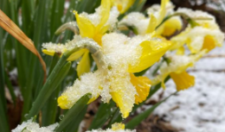
While premature emergence of foliage is undesirable, the danger is not as great as it may seem. The foliage of spring bulbs can tolerate cold temperatures. If below-freezing temperatures return after the foliage emerges, no extra protection is typically needed. Cold temperatures will delay growth and leaves usually have little to no damage. If leaves are damaged, it is often no more than a few brown tips and leaf edges, which is unsightly but not a problem for overall plant health. A blanket of snow is especially helpful in protecting leaves from extreme cold.

If the flower buds emerge early, they can be damaged or destroyed if temperatures are colder than the low 20s Fahrenheit. A layer of organic mulch, such as straw or pine needles, can be applied around the base of the emerging plants to help protect flower buds and slow further growth by insulating the soil and regulating temperature fluctuations. Remove the mulch once normal temperatures return.

What can I do to help perennials that are emerging too early?

When below-freezing temperatures occur after a warm winter period, the extent of plant damage depends on temperature, plant species, exposure and stage of plant growth. Many perennials will see little to no damage to foliage, especially early-emerging, cold-tolerant perennials such as bleeding heart, daylily, catmint and columbine. If temperatures get too cold, damage may occur, causing leaf tips, edges or entire leaves to turn white, brown and/or collapse.

If temperatures are predicted to drop into the mid-20s or teens, perennials can be protected with a layer of organic mulch, such as wood mulch, straw or pine needles, spread several inches thick. Mulch will help insulate the soil, regulate temperature fluctuations, slow growth and prevent frost heaving. Watering if the soil is dry and unfrozen will also be beneficial.

Most well-established perennials damaged by freezing temperatures should survive with no long-term damage. Plants with light damage will continue to grow, and the damage will be masked or can be trimmed out. The roots and crowns of severely damaged perennials will send up a second flush of growth, but plants will be smaller than usual this summer. Good care this spring and summer (for example, watering weekly during dry weather) should help plants recover.

How can I prevent damage to trees and shrubs that break dormancy too early?

There are no practical or effective efforts home gardeners can take to prevent freeze damage to early emerging flowers or foliage on woody plants. It is impossible to prevent plants from “waking up” too early. Flower buds that begin to swell or flowers that emerge earlier than normal due to unseasonably warm temperatures may be disfigured or destroyed when cold temperatures return. This is particularly true for early flowering species like magnolia, forsythia, rhododendrons and azaleas.

Foliage that emerges early is also susceptible to freeze damage. Symptoms include shriveling and browning or blackening of leaf tissue. Damaged growth often becomes limp and eventually drops from the tree or shrub. Damage appears to be more severe on species such as Japanese maple, hackberry, ginkgo, hydrangea, oaks and black locust.

Thankfully, below-freezing temperatures will have no long-term damage to the overall health of a healthy tree or shrub. The loss of flowers for the season is unfortunate, but provided the weather is not abnormal again, blooms can be enjoyed next year. Trees and shrubs can leaf out again if the initial growth is damaged or destroyed, and new growth will emerge later in the spring when normal temperatures return. Good care during the remainder of the year, such as watering during dry periods, should aid the recovery of woody plants planted within the past three to five years. Fertilizer is not recommended to aid in recovery from cold damage.

How will abnormally warm temperatures in February and March affect my fruit trees?

Unseasonably warm temperatures early in the growing season can cause premature bud swelling, flowering or leaf emergence in fruit trees, especially apricots and peaches, which bloom earlier than apples, pears and tart cherries. As flower buds swell, they become increasingly vulnerable to cold temperatures. They are most susceptible just before, during and after bloom.

If freezing temperatures return after a warm winter period, the amount of damage depends on the amount of premature growth. The colder the temperature and the further developed the buds and blooms are, the more likely they will be damaged or destroyed. If flowers are damaged, this year’s fruit crop may be smaller than usual. However, the trees themselves should not be seriously harmed. There are no practical efforts home gardeners can take to prevent freeze damage. (Commercial fruit growers may use wind turbines or spray water to prevent frost damage, but these efforts are not practical for home gardeners.)

While the loss of most of the fruit crop for the year is disappointing, good care during the remainder of the year will help trees recover and potentially produce a bountiful harvest the following growing season.

Can I still prune?

In a year with more typical weather conditions, February and early March (late dormant season) is an ideal time to prune. Even with warm temperatures, plants can still be pruned until bud break. However, as trees and shrubs show signs of breaking dormancy, such as swollen buds, emerging foliage, or flowering, pruning should be delayed until new growth has fully expanded (mid- to late-May). Late spring/summer pruning is perfectly acceptable in all cases except for oaks, which should only be pruned during the dormant season.

In rare cases, late cold snaps can damage branch tips. Dead branches can be removed once they are noticed, but be sure they are dead (i.e., dry and brittle) before making any pruning decisions.


Soil temperature is important for germination in the garden

0

Home gardeners can take their own soil temperature measurements, says K-State expert

Just in case home gardeners have not really considered the importance of soil temperature, Kansas State University horticulture expert Cynthia Domenghini says you should. Soil temperature, she says, affects germination of many garden foods.

Domenghini said peas can sprout in soil that is 40 degrees Fahrenheit, while lettuce can germinate in 35 F.

“Crops — such as tomatoes, corn and other warm-season veggies — need the soil to be at least 55 F for success,” Domenghini said. “Peppers, cucumbers and melons need even warmer soil.”

The Kansas Mesonet is a resource for guidance on what’s happening below the ground. Domenghini said gardeners can also take their own soil temperature measurements using a soil thermometer, and measuring the soil at least 2.5 inches deep during late morning.

“Find the average soil temperature over five days to determine when the time is right for planting,” Domenghini said. “It is still important to watch the forecast for late season frosts and freezes.”

Domenghini and her colleagues in K-State’s Department of Horticulture and Natural Resources produce a weekly Horticulture Newsletter with tips for maintaining home landscapes and gardens. The newsletter is available to view online or can be delivered by email each week.

Interested persons can also send their garden and yard-related questions to Domenghini at [email protected], or contact your local K-State Research and Extension office.


Gardening helps promote good nutrition and a healthy relationship with food

0
Photo courtesy of Getty Images

Gardening is a great way to get outside and spend time in nature, increase physical activity levels, and even reduce stress. This all-ages activity can also be an opportunity for deepening relationships with friends and family, such as through a gardening club (like Master Gardeners) or by including multiple generations in gardening, food harvest, and food preservation. The many benefits of gardening include promoting a healthy relationship with food.

Why Garden?

Gardening can promote good nutrition and a healthy relationship with food in several ways, including the following.

  • Connection to food source.
    Being mindful of where our food comes from and being involved in the growing process from the planting, cultivating, and harvesting of our produce can provide a deeper appreciation for where we get our food.
  • Educational opportunities.
    Involving children in gardening offers a great educational opportunity and can teach them about nutrition; biology; and sustainable and mindful food choices. It also introduces healthy foods in a fun and exciting way.
  • Reduced reliance on processed foods.
    When we have more access to home-grown produce, we may have less focus in our diets for processed and packaged foods. Having plentiful garden harvests encourages us to try more cooking and new recipes with the food that was grown.
  • Improved access to nutrient-rich produce.
    Growing our own food enables us to harvest fresh, nutrient-rich produce at a low cost. This can contribute to a healthier diet and encourage more fresh fruit and vegetable consumption. These foods have high nutrient density, low energy (calorie) density, and many essential vitamins and minerals. When we garden, we are more likely to include fruits and vegetables as a part of our diet, which helps promote optimal health and prevent and manage chronic disease.
  • Increased awareness of seasonality.
    Gardening can encourage an understanding of seasonality in food. It can also teach us about plant growth and cycles, and it can foster awareness of when different fruits and vegetables are in season and at their peak. Seasonal eating can also lead to a more-diverse diet and encourage us to eat a variety of fruits and vegetables.

In Summary

Growing different fruits and vegetables can encourage us to try new foods, cook new recipes, be mindful of where our food comes from, and enjoy healthy and fresh food with family or friends. In a country where only 1 in 10 adults get enough fruits or vegetables, these benefits can go a long way in meeting recommended intakes to reduce the risk of things like cardiovascular disease, diabetes, and obesity. Starting off with a small garden is a low-cost and fun activity that can provide these many benefits to us and our families!