Friday, January 2, 2026
Home Blog Page 24

Turkey safety myths roasted

0

Every Thanksgiving, millions of home cooks become kitchen scientists, experimenting with thawing, basting, and timing the perfect bird. Friends and family share treasured secrets or tips for creating the ideal Thanksgiving meal; however, not every “secret” passed down at the dinner table is true – or safe.

MYTH #1: It’s safe to thaw your turkey on the counter overnight.

False. Here’s the truth: A turkey left at room temperature for more than 2 hours enters the “danger zone” (40°F-140°F) where bacteria proliferate, even if the center of the bird remains frozen. Thaw the turkey in the refrigerator, allowing 24 hours for every 4-5 pounds of turkey, or use the cold-water method by submerging the bird in cold water in a leak-proof plastic bag, changing the water every 30 minutes. (Allow 30 minutes of thawing time per pound of turkey.) Cook the turkey immediately after thawing.

MYTH #2: You should rinse your turkey before cooking.

False. Here’s the truth: Cooking, not rinsing, kills bacteria. Washing a raw turkey can cause cross-contamination of other foods as water droplets from the turkey spread bacteria across the sink, counter, and utensils. The Centers for Disease Control recommends that if you decide to wash your raw turkey, you should immediately clean and sanitize the sink and counters. First, clean with hot, soapy water to remove any residue. Then, sanitize using either a solution of 1 tablespoon of unscented bleach mixed with 1 gallon of water, or a commercial kitchen cleaner labeled as a disinfectant, and wipe everything down with the solution. Let it sit for at least a minute, then let it air dry or wipe it with a clean paper towel. Your future self (and your guests) will thank you!

MYTH #3: The pop-up timer will reliably tell you when the turkey is cooked.

False. Here’s the truth: While a pop-up timer serves as a convenient tool to indicate when the turkey might be done, the USDA recommends using a food thermometer to check three key areas of the turkey to ensure the internal temperature reaches 165°F: 1) The thickest part of the breast, 2) The innermost part of the thigh, and 3) The innermost part of the wing.

MYTH #4: Stuffing cooks safely inside the turkey.

False. Here’s the truth: Stuffing cooked inside the turkey may not reach the necessary internal temperature of 165°F by the time the turkey finishes cooking, which could fail to kill harmful bacteria. For optimal safety, the USDA encourages cooking the stuffing in a separate dish. Plus, stuffing tends to have a better texture when cooked separately.

MYTH #5: Leftovers can stay out until everyone’s finished eating.

False. Here’s the truth: Refrigerate leftovers within 2 hours of cooking to prevent food poisoning. This guideline pertains to all foods, but especially dishes that contain dairy, eggs, or meat.

  • Turkey: Carve the turkey into smaller pieces before refrigerating so the meat cools faster.
  • Mashed Potatoes: Made with milk and butter, so put them in the fridge promptly.
  • Casseroles: Whether it’s green bean, sweet potato, or stuffing, these often contain eggs, cream, or broth and should be cooled and stored quickly.
  • Gravy: High-risk due to moisture and meat drippings; cool in shallow containers in the fridge.
  • Cranberry Sauce: More acidic but still best refrigerated within 2 hours.
  • Rolls and Bread: Lower risk, but these can dry out if left uncovered too long.
  • Tip: Use shallow containers to help leftovers cool faster, and label them with the date so you know when to toss them (typically within 3-4 days). To reduce waste, consider dividing leftovers into smaller portions to send home with your guests.

Remember: Safe turkey cooking is about science, not luck. Keep your feast delicious and safe by following the four steps of food safety:

  1. Clean – Wash hands and surfaces often.
  2. Separate – Don’t cross-contaminate. Keep raw meats and poultry away from produce and other foods.
  3. Cook – Use a food thermometer to ensure an internal temperature of 165°F.
  4. Chill – Refrigerate leftovers within 2 hours after cooking.

This Thanksgiving, trust science, not kitchen folklore, and enjoy a meal that’s both delicious and safe for all.
Understanding forage value of Kansas CRP grasslands

0
K-State research shows seasonal variation in nutrient quality, guiding producers toward smarter grazing decisions.

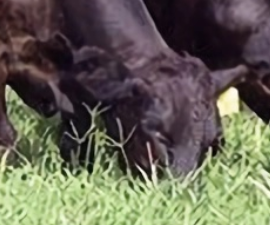
Kansas State University extension experts are calling attention to important factors producers should consider when using Conservation Reserve Program (CRP) lands for cattle forage.

In a recent Agriculture Today podcast episode, Jason Warner, K-State cow-calf extension specialist, discussed his findings on the variability of forage quality in lands under the Conservation Reserve Program — and the inherent challenges that come with grazing or haying those stands.

Warner and a group of K-State extension agents and beef cattle specialists have worked to better understand the nutrient composition of standing CRP forage available for grazing or haying through a collaborative, producer-focused project. Lands enrolled in the CRP program represent approximately 12% of grassland acres available for grazing in Kansas.

The CRP program, a USDA initiative, pays producers to remove environmentally sensitive land from production and plant native grasses to prevent erosion and improve soil and wildlife habitat. While these acres aren’t necessarily used every year, Warner said their forage often serves as a valuable — though variable — resource in cattle diets.

While primarily used during drought when forage supply is limited, there are conditions in which these forages may be used during any given year. Nutrient composition data pertaining to CRP forages is very limited, and this work was done to help fill a gap in knowledge that currently exists.

In recent forage quality assessments, Warner found that the nutrient content of CRP grasses fluctuates widely by season and region.

“In eastern Kansas, we’ve seen crude protein levels range from less than 3% in February to nearly 10% in June,” he said. “Western Kansas follows a similar trend but with slightly lower values overall.”

He said those findings highlight the importance of knowing when — and how — CRP forage can fit into a ranch’s feeding plan.

“Producers should look at these results as benchmarks and use them as a tool and resource to make informed management decisions,” Warner said. “Depending on the time of year and the animal’s production stage, CRP forage might work well or cattle may need supplementation, but these data help establish guidelines for producers and allied industry to work with”

Warner added that updated results and additional analysis will be published in the 2026 K-State Cattlemen’s Day Report, set for release next spring.

For more information on Warner’s research and other agriculture related topics, listen online to the Agriculture Today podcast.

Prevent mice and rats from coming inside

0

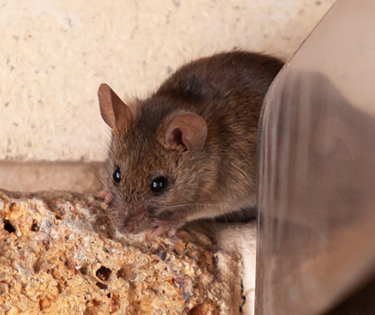
Temperatures are dropping, and that tiny mouse in the house looms large as pests make their way inside. University of Missouri Extension state wildlife and fisheries specialist Robert Pierce says it is time to prepare for the unwelcome houseguests.

“You won’t be the first person annoyed or outsmarted by a mouse or rat,” says Pierce. “These rodents have keen senses of taste, hearing, smell and touch.”

The why

House mice and Norway rats can contaminate an area with urine, saliva and droppings. They can transmit diseases such as salmonellosis (food poisoning) and swine dysentery, and they can carry ticks.

The biology

These rodents can multiply quickly. Mice can produce up to 8-10 litters per year with 5-6 young per litter, and rats can produce 3-6 litters of young each year, so populations can build up quickly. Within six weeks, they can create an army of tiny, scurrying nightmares. Fortunately, these species don’t ordinarily have long lifespans, as many animals prey on them, but even a few mice or rats in your home can cause lots of problems.

The how to

Give these rodents an inch and they will take a mile.

Mice can squeeze into the tiniest of spaces and through holes as little as ¼ inch across. Even more alarming, says Pierce, rats will gnaw and make their way into holes as small as half an inch.

Snap and trap

Although there are numerous rodenticides (toxic baits) on the market, Pierce advises against using them indoors, as the animal will often die behind a wall or in an enclosed area and will cause a terrible odor as they decompose. These products are best used outdoors and with a bait station that provides a safe location for rodents to consume the bait.

Pierce says the cheapest and most effective way to catch a mouse or a rat is with an old-fashioned wooden snap mousetrap. There are larger versions of the snap trap that will work for rats.

Placement is the key to success, he says. Put traps where rodent activity has been observed and on the floor adjacent to a wall or an edge. Use enough traps in an area so that the trapping effort will quickly be effective. If rats or mice are bait-shy, leave the trap unbaited for a few days so they become accustomed to the trap. Then apply the bait. Mice and rats often will travel in a linear fashion along a wall; however, they are excellent climbers and can run up any rough vertical surface, says Pierce.

Choosy mice choose PBJ minus the J

Use a light slather of peanut butter as a bait on the snap trap. Cheese and fruit are good second choices.

An ounce of prevention is the best cure. In other words, stop mice and rats from getting indoors in the first place, says Pierce. Use caulk to seal holes and gaps around windows, doors, dryer vents and electrical and gas lines.

Stuff larger entry points with copper wool (such as cleaning pads) that can’t be chewed through. Plastic, wood or cloth won’t keep mice at bay. Window and door screens that don’t have holes provide good barriers.

Clean the clutter

Remove safe havens near your house such as leaves, brush piles and trash. Clean up clutter outside and inside. Woodpiles and feeders for birds and wildlife are welcome mats for rodents. Seal garbage cans, bags of birdseed, livestock feeds and pet foods, which can attract mice.

Telltale signs

Mice leave droppings that look like dark pieces of rice. Norway rat droppings are larger. Rats are burrowing animals that can create entrance holes about 2 inches in diameter. Both species build nests that consist of fine, shredded, fibrous materials, and they may leave behind pieces of gnawed-up wood and food. Other signs include small gnawing marks and dark smudges and rub marks. These rodents are active throughout the day and night, and although you rarely see them, you may hear them moving behind your walls or smell their musky odor.

My Head Hurts

0
lee pitts

I receive a lot of cowy periodicals from publishers who run my column and I try to read every one of them. I even read the farm magazines that don’t concern cows because I’ve always found every facet of agriculture interesting. My interest dates all the way back to high school where we had a library in the ag building. I spent a lot of lunch hours reading all the farm and ranch publications like the Western Livestock Journal and the Livestock Market Digest. Little did I know that one day I’d actually own one of those papers (the Digest). I even read Hoards Dairyman and always tried to place the judging class they had in every issue but after awhile I began to feel like a pervert checking out all the cow udders.

I loved looking at bull photos and tried to memorize all the important herd sires. My bedroom at home, which was actually a sunporch which doubled as my mom’s sewing room, was covered in bull pictures and I often wondered what her customers who came for fittings thought of all the bulls leering at them as they tried on their new clothes.

Back when we didn’t have EPD’s beef cattle were evaluated mostly on their phenotype and as a Junior Member of the Angus Association I sent away for three free posters that depicted what an ideal Angus bull, cow and steer should look like. These became the centerpiece of my art collection. As a sophomore in high school I could rattle off all the names of the best sires but then the continental breed explosion hit and with 35 breeds I became more confused than Joe Biden.

Today I can’t even keep up with all the purebred ranch names. There’s Man Herefords, Halfmann Red Angus and Assman Land and Cattle (I bet they like cattle with big butts.) There’s a King Ranch in Texas, California and New Mexico. There’s a Bear Creek, Wolf Creek and Oak Creek not to be confused with Town Creek. The famed R.A. Brown Ranch in Texas breeds some of the best red and black bulls but no BROWN ones, while Redd Ranches in Paradox, Colorado, is known for their Red Angus, Red Gelbvieh and red Simmental. There’s both a Funk and Fink who have among the finest purebred herds in America, the Funk family owns Express Ranches and the Fink Family owns Fink Family Genetics. As I slowly lose my memory you can see how I could get Dudley Brothers and Nunley Brothers confused as well as 12 Star and 5 Star. Don’t even get me started on the subject of Black Herefords, miniature Angus or genetically enhanced EPD’s. How is anyone supposed to remember all these EPD’s for every breed? You can’t compare the numbers across breeds unless you know calculus and every time I finally figure out what are good numbers for the Angus breed they come up with a bunch of new numbers, not to mention new categories.

What really blows my mind is that all these purebred outfits have to come up with hundreds of thousands of new names for the cattle they register. I don’t know how the biggest outfits come up with 2,000 or more names for their registered cattle EVERY YEAR. I know one ranch that named their cattle after U.S. Presidents one year and football players another year. Baxter Black even had a bull named after him and Baxter told me he considered it his highest honor.

Another publication I studied in our ag. library was the Quarter Horse Journal because one local horseman donated all his past copies. I love horse names the best and often find them funny, like Peptoboonsmal. Over the years I’ve kept a list of names I’d use if I ever became a big time Quarter Horse breeder and here’s just a sampling: Who Flung Dung,, Bedpan, Neutered, Abadapple, Better Than Terrible, Gesundheit, Pie Biter, The Flatulator, Horse Remorse, It’s Only Money, Jorge Palomino, Hubba Hubba, Stew Meat, 4DBirdz, Back Seat Driver, Lucky Sperm and Crow Bait.

If you ever see a racehorse at the track with any of these names you’ll know it’s me so if you want to double your money just take the cash you were going to bet, fold it in half and put it back in your pocket.

Veterinarian urges winter water care for pets and wildlife as winter nears

0

As winter weather settles into central Kansas, local veterinarian Dr. John Austin of Hutchinson Small Animal Hospital is reminding residents to take extra steps to protect pets and wildlife during freezing temperatures.

Austin said the season’s first hard freeze is a good cue for residents to check outdoor water sources. He noted that while fleas may finally be declining thanks to the cold, hydration is now the biggest concern for animals.

Austin encourages homeowners to keep fresh, unfrozen water available — not only for pets, but also for birds and wildlife.

“I keep a big bird bath heated all winter,” Austin said. “When temperatures stay cold and there isn’t any open water, it becomes even more important for wildlife like deer and birds to find a drink.”

For outdoor pets, Austin stressed that water access is more critical than food this time of year.

“You’ve got to keep a source of water that doesn’t freeze,” he said. “Whether you’re refilling it daily or using a heated bowl, don’t rely on technology alone — check it every day.”

The discussion also touched on increased sightings of deer and turkeys inside Hutchinson city limits. Austin said wildlife often follows drainage channels and undeveloped areas that run through town, especially in search of food and water.

The veterinarian also recommended suet cakes for winter bird feeding, calling them “high-energy, high-fat” nutrition that helps songbirds stay warm. Many residents, he noted, also enjoy using outdoor bird cameras to watch visiting wildlife.

“It’s a relaxing hobby and a great use of technology,” he said.

As temperatures continue to drop, Austin advises residents to monitor pets closely, maintain access to shelter and unfrozen water, and consider helping local wildlife by providing safe, accessible resources.