Thursday, January 15, 2026
Home Blog Page 90

Wheat Scoop: Enriched Wheat Flour Delivers More Than Just Baking Power

0
Kansas Wheat

Contact: Marsha Boswell, [email protected]

For the audio version, visit kswheat.com.

When shoppers reach for a bag of flour to make bread, cookies or pancakes, they are choosing more than a basic baking ingredient. Since the 1940s, enriched wheat flour has been fortified with vitamins and minerals that help prevent nutrient deficiencies and improve public health. Every slice of bread or plate of pasta made with enriched flour delivers key nutrients that support the body in essential ways.


Enrichment replaces important vitamins and minerals lost during the milling process. These include iron, niacin, thiamine, riboflavin and folic acid. Together, they play a critical role in energy production, growth, development and disease prevention.


Iron: Boosting Energy and Fighting Fatigue


Iron is necessary for producing hemoglobin, the protein in red blood cells that carries oxygen throughout the body. Without enough iron, people can develop iron deficiency anemia, which causes fatigue, weakness and dizziness. In children, adequate iron supports brain development and learning. For pregnant women, it lowers the risk of premature birth and low birth weight. For everyone, it strengthens the immune system. Public health studies show that fortifying flour with iron has increased iron levels and reduced anemia rates worldwide.


Thiamine: Powering the Body’s Energy Systems


Thiamine, or vitamin B1, helps convert carbohydrates into usable energy. It also supports healthy heart function and a strong nervous system. Milling wheat into white flour removes much of its natural thiamine, so enrichment adds it back to ensure people still receive enough in their diet. Without adequate thiamine, individuals can develop deficiency symptoms such as weakness, irritability and nerve damage. Adding thiamine mononitrate to flour ensures the vitamin remains stable during baking and storage, allowing consumers to receive its full benefit.


Niacin: Supporting Skin, Digestion and Brain Health


Niacin, or vitamin B3, plays an important role in turning food into energy and maintaining healthy skin, nerves and digestion. Severe niacin deficiency can cause pellagra, a disease marked by skin rashes, diarrhea and in advanced cases dementia. Since niacin was added to flour, pellagra rates have dropped dramatically in many countries. Niacin enrichment is considered one of the major public health success stories of food fortification.


Riboflavin: Fueling Growth and Cell Health


Riboflavin, or vitamin B2, helps the body break down proteins, fats and carbohydrates to produce energy. It supports healthy skin and eyes, contributes to red blood cell production and acts as an antioxidant that protects cells from damage. Riboflavin also works with other B vitamins to enhance their effectiveness. Enriching flour with riboflavin prevents deficiency symptoms such as sore throat, skin disorders and slowed growth in children.


Folic Acid: Protecting Babies Before Birth


Folic acid, a form of vitamin B9, is especially important for women of childbearing age. It plays a critical role in preventing neural tube defects, which are serious birth defects of the brain and spine. Because some pregnancies are unplanned, adding folic acid to flour ensures women receive enough even if they are not taking supplements. In some countries, mandatory fortification has reduced neural tube defects by as much as 72 percent. Folic acid also supports heart health and may help lower the risk of stroke.


Proper Storage Preserves Quality


To keep enriched flour fresh and maintain its nutritional value, store it in an airtight container in a cool, dry, dark place. At room temperature, flour is best used within six to eight months. In the refrigerator or freezer, it can last up to one year. Storing it properly prevents spoilage, insect activity and the loss of flavor.


Enriched wheat flour is an easy, cost-effective way to deliver essential nutrients to people of all ages. It strengthens communities by improving health through everyday foods. Behind each bag is the work of wheat farmers who grow the grain that makes enrichment possible, ensuring families have access to safe, wholesome flour that nourishes and supports a healthier future.


From fighting anemia to supporting healthy pregnancies, enriched wheat flour has proven to be one of the most effective and accessible public health tools in modern history. It delivers essential vitamins and minerals in a form people already enjoy every day, from loaves of bread to bowls of pasta. By choosing enriched flour, consumers benefit from decades of nutrition science and the dedication of wheat farmers who grow the grain that makes it possible. With proper storage and regular use, enriched flour remains a simple way to bake better health into every meal.

“Why Pelvic Health Matters: More Than Just Kegels”

0

In our research and clinical practice experiences, a common theme emerges from people living with pelvic floor issues — “I wish someone had told me about this sooner.” Through interviews and conversations, we’ve documented the stories of individuals who didn’t know what questions to ask, didn’t realize their symptoms were treatable, and often assumed they were alone. In her practice, Staci sees these realities unfold in the clinic every day, as both male and female patients arrive with frustration, confusion and a long history of being told that their concerns are normal, inevitable or simply something to live with.

Pelvic floor disorders such as urinary incontinence, constipation, pelvic pressure, pain with intercourse and pelvic floor dyssynergia (poor coordination) are more common than most people realize. These symptoms affect millions of adults. Nearly one in four women and one in eight men in the U.S. will experience some form of pelvic floor dysfunction in their lifetime. Yet these issues are often dismissed, hidden or normalized. Although not uncommon, we want to emphasize that dysfunction in the system is not normal. It is treatable. Conversations around pelvic health often begin only after childbirth, surgery or the slow accumulation of symptoms that have significantly affected quality of life. By that point, the affected person is often dealing not only with physical discomfort, but with years of self-doubt or embarrassment.

The pelvic floor is a group of muscles that sits at the base of the pelvis. These muscles are responsible for more than most people are ever taught. In both men and women, the pelvic floor supports the bladder, bowel, abdominal and reproductive organs. It helps control continence, allows for sexual function, and plays a role in basic breathing, posture and core stability. Despite all of this, most people grow up never learning about their pelvic floor, how it functions, or how to care for it. This lack of awareness isn’t just a missed opportunity for treatment; it’s a missed opportunity for prevention.

Every human has a pelvic floor. Pelvic health should be part of basic health education, not a niche topic reserved for specialists. Young people deserve to understand how their bodies work, and that includes the pelvic floor. Learning about healthy habits, such as avoiding excessive straining, practicing coordinated breathing during physical exertion, and developing strength, coordination and flexibility throughout the hips and core, can make a meaningful difference later in life. And for those planning for pregnancy, knowledge of pelvic floor function before and during pregnancy can support smoother recovery and reduce complications down the line. Gaining understanding of how the pelvic systems change with age, after surgery, or with the hormone changes of peri- and post-menopause also offers people a chance to create change and retain optimal function.

Kegels are often the only pelvic health advice people hear, but the solution is rarely that simple. Some individuals need strengthening; others need help learning to relax and coordinate pelvic floor muscles properly. Pelvic health is not a “one-size-fits-all” issue, and that’s why education before symptoms emerge is so important.

When problems do arise, they’re worth bringing up. Leakage, pressure and pain are common, but they’re not normal or untreatable at any age. Pelvic health physical therapists and other providers trained in this area can offer effective, individualized care. But even better is helping people know enough to ask questions earlier, build healthy habits sooner and prevent dysfunction before it starts.

Pelvic health matters. And the earlier we begin talking about it, the better.


Patti Berg-Poppe is a professor and chair of the Department of Physical Therapy at the University of South Dakota. Her research focuses on pelvic health, including postpartum recovery and pediatric pelvic floor dysfunction, as well as motor control and learning in special populations. She has led interdisciplinary studies on the effects of intrapartum pelvic trauma on sexual function, return to participation and family well-being and has published on exercise interventions for conditions like diastasis recti and dysfunctional voiding in children.

Staci Wietfeld is a board-certified orthopedic clinical specialist and certified pelvic rehabilitation practitioner. She specializes in treating complex musculoskeletal conditions and pelvic floor dysfunction, integrating advanced manual therapy and patient education to promote recovery and well-being. In addition to her clinical practice with Avera Health Systems in Sioux Falls, South Dakota, she contributes to research and public education on pelvic health and physical therapy.

Follow The Prairie Doc® at www.prairiedoc.orgProgramming includes On Call with the Prairie Doc®, a medical Q&A show (most Thursdays at 7pm streaming on Facebook), 2 podcasts, and a Radio program (on SDPB), providing health information based on science, built on trust.

Water history exhibit grand opening at El Quartelejo Museum in Scott City

0

SCOTT CITY — El Quartelejo Museum, in collaboration with the Kansas Geological Survey and Groundwater Management District 1, will open its newest exhibit, “History of Scott County Irrigation and the Ogallala Aquifer,” on Aug. 16.

Using a variety of multimedia components, the exhibit combines the scientific study of water and local history to show the story of water use in western Kansas.

“The exhibit focuses on farming outcomes, water resources, management and education to illustrate the irrigation history of Scott County and the High Plains of western Kansas,” said Stephanie Fisher, El Quartelejo Museum director. “Its goal is to highlight primary sources, photographs and interactive educational elements.”

Sunday Siomades, who interned with the museum through the University of Kansas’ Museum Studies program, designed the exhibit.

“The design of the exhibit seeks to connect visitors with water history in tactile, immersive ways to demonstrate how communities interact with the natural environment,” said Siomades, who is studying geology and science communication through the KU Department of Geology and the Kansas Geological Survey.

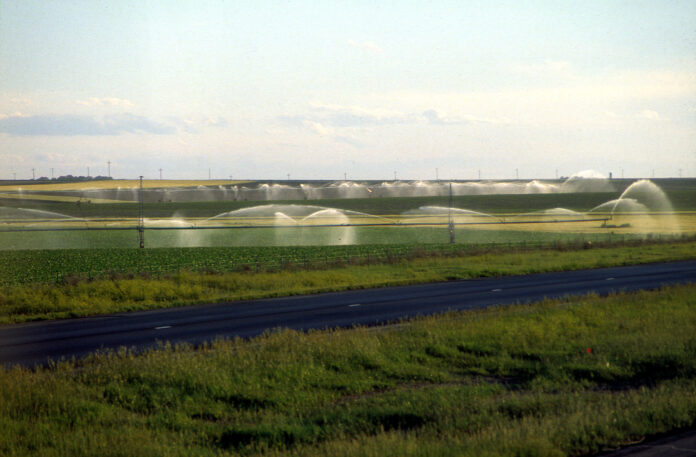
The exhibit begins with early Scott County irrigation in the 1650s and moves through time to the management practices and water science that define present-day agriculture. Scott County’s cattle industry — the fourth highest in the nation — relies heavily on groundwater. Consequently, the status of the Ogallala aquifer, which provides this essential water resource, is especially relevant to the county.

Exhibit visitors will learn about historical innovations (and innovators) in irrigation, explore the science of aquifers and groundwater and watch water flow through the decades right under their feet.

The installation represents locality-driven science outreach designed to equip visitors of all ages with the historical and scientific background to discuss community water resources. Katie Durham, GMD1 manager, said the district sees education and outreach as critical components in protecting groundwater for future generations.

“Sharing the history of irrigation in our district helps us all to understand where we’ve been, the challenges we face and why the progress being made is so important to our communities, culture and economy,” she said.

In conjunction with the new exhibit, the KGS plans presentations, educational games, and activities for the public beginning at 10 a.m. at the museum. A ribbon-cutting ceremony for the exhibit will take place at 2 p.m. The schedule of events is available online.

“I’m so grateful to the museum for providing the KGS with this opportunity,” said Blair Schneider, KGS science outreach manager and exhibit contributor. “I hope that this project paves a pathway for the KGS to partner with more community museums across the state.”

The “History of Scott County Irrigation and the Ogallala Aquifer” joins a variety of paleontological and anthropological exhibits featured at El Quartelejo Museum and Jerry Thomas Gallery and Collection on topics ranging from Kansas’s prehistoric inland sea to Native American history to modern municipal development.

About the Kansas Geological Survey

The KGS is a nonregulatory research and service division of the University of Kansas. KGS researchers study and provide information about the state’s geologic resources and hazards, including groundwater, oil and natural gas, critical materials and earthquakes.

Investing in Kansas’ first line of defense against animal disease

0
In its role as frontline defense against animal diseases, Kansas Veterinary Diagnostic Laboratory provides more than $2.5 billion in annual impact for the state.

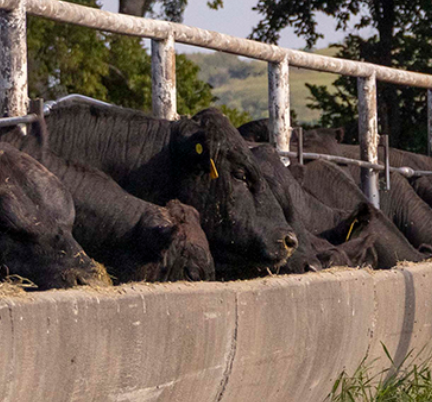
MANHATTAN — Every spring, John Irvine and his ranch hands line up 300 head of cattle to make one of the biggest investments they can in the future of the seventh-generation Kansas ranch: they collect a few vials of blood to send to the Kansas Veterinary Diagnostic Laboratory.
Irvine doesn’t wait for signs of illness. In his business, one sickened cow or bull, if not caught in time, could mean a devastating blow to the entire herd.
But through the Kansas Veterinary Diagnostic Laboratory, or KVDL, Irvine and ranchers across the state and nation have access to a whole battery of diagnostic tests that keep their animals healthy and the state’s farms, communities and economy safe.
“Because of the KVDL’s services, we know that we’re giving our customers clean, healthy bulls,” said Irvine, a sixth-generation operator of Irvine Ranch in northeastern Kansas. “The lab is a great partner for us, and they enable us to do what we do well.”
When diseases can cross cattle pens and county, state and national lines in just a few hours, having a robust disease testing system and provider is crucial, and the KVDL, housed at Kansas State University, has served that role well for the state for several decades.
As the only state-run animal disease laboratory in Kansas, the Kansas Veterinary Diagnostic Laboratory provides critical diagnostic services that support animal health, public safety and the state’s livestock industry, said Jamie Retallick, director of the lab.
KVDL conducts testing for disease detection, surveillance, and outbreak response, serving veterinarians, producers and public agencies across Kansas and beyond.
KVDL drives $2.5 billion economic impact in Kansas
During a regular year, the KVDL’s services add more than $2.5 billion to the state economy, according to a 2024 economic impact report, supporting $5.7 billion in direct livestock industries output and $8.7 billion in total output. In the event of a catastrophic outbreak or disease crisis, the value of the lab’s services would balloon to $4.9 billion.
The lab also generates $125.7 million in state sales tax from its testing services, with much of that revenue coming from out-of-state clients.
All told, KVDL’s economic impact to operating cost ratio is 113:1.
“The economic impact of livestock production and food safety in Kansas is undeniable,” Retallick said. “Ensuring the health of companion animals and wildlife resources is imperative. Protecting Kansans that interact with domestic animals and wildlife is paramount. In addition to service, KVDL faculty and staff provide critical support for a wide range of biologic researchers and train the veterinarians, researchers and diagnosticians of tomorrow.”
While much of the laboratory’s work supports Kansas’ agriculture and livestock animal industry, Retallick emphasized that the lab’s work touches the lives of every Kansan.
House pets need biopsies, zoo animals need diagnostics, wildlife animals need monitoring.
Animal health is everyone’s health, she said.
“Everyone is connected to animal health in some form,” Retallick said. “Whether it’s a pet that’s a family member or an animal in livestock production, there’s an animal connection for everyone. Not many organizations can claim that they’re such a critical part of so many industries and areas of society, but we can, and we’re proud to continue serving this role for Kansas.”
Kansas Legislature invests $128 million in KVDL’s defense against animal disease
Despite its extensive diagnostic work and economic impact, the Kansas Veterinary Diagnostic Laboratory has long kept a low profile on K-State’s campus, with its testing and workspaces spread across three buildings on the northern edge of campus.
But the lab will soon get a major upgrade that will better reflect and support its value to the state and region. The Kansas Legislature earlier this spring appropriated $128 million to build a new state-of-the-art facility that will both expand and strengthen the Kansas Veterinary Diagnostic Laboratory’s output and economic impact.
“This investment from the Kansas Legislature represents far more than just a building,” said Richard Linton, K-State president. “It reinforces Kansas’s position as a national leader in animal health and disease prevention by supporting a vital service that protects our state and beyond.”
Kansas Sen. Brad Starnes, who championed the lab during the legislative session, said he was proud to support a laboratory that is so critical to the state’s well-being.
Between 60-75% of emerging human diseases have animal origins, and as Kansas’ early warning system for animal diseases, the KVDL is crucial for the long-term preparedness, health and safety of Kansas as a whole, Starnes said.
“From rural veterinarians to large-scale producers, the work the Kansas Veterinary Diagnostic Laboratory does every day touches every corner of the state,” Starnes said. “Supporting this new facility for the lab equips it with the tools and space to serve Kansas producers, veterinarians and communities for decades to come.”
New KVDL building will be ‘a crown jewel for Kansas’
The new lab facility will tentatively be built on campus grounds east of the current College of Veterinary Medicine complex. It will roughly double the 41,000 square feet of space the lab currently occupies across the north end of K-State’s campus.
In addition to more efficient sample processing and capacity, the new facility will give the laboratory’s staff some much-needed office space and work areas.
“We’re going to be a lot more efficient,” Retallick said. “By having a top-tier facility, we’ll also be able to recruit and retain top-notch staff and faculty. We’ll also be able to strengthen the great teamwork we already have when we can all work in the same building, instead of having to shuttle between spaces in three different campus buildings. Because of all that, we’ll be able to better protect our state.”
Plans for the building are still in preliminary stages, Retallick said, but construction could begin as soon as next summer, with facility completion three years later.
In the meantime, the lab is working with its partners and stakeholders to raise $2 million in private funding to support the facility’s construction, in addition to the state’s contributions.
But Retallick said even this early, those partners have been enthusiastic to invest in the new facility, since they and many other across Kansas have long benefitted from the laboratory’s services and value.
“This will be a crown jewel for Kansans, and we’re thankful and proud to have the Legislature’s trust in our mission to protect the state from animal diseases,” Retallick said. “We’re going to continue giving this our all, doing our best for the state.”
For Jon Irvine, the sixth-generation operator of Irvine Ranch, the state’s investment in the facility is the same one he makes every spring.
“Every test that ranchers send to the KVDL is a small investment to protect the larger investments we make in our cattle and operations,” he said. “If we can maintain a clean herd, we can prevent a lot of diseases from emerging in the first place. That’s a huge economic benefit, and as new diseases emerge, we’re lucky to have a resource like the KVDL that stays at the forefront of these threats.”
As the nation’s first operational land-grant institution, Kansas State University has served the people of Kansas, the nation and the world since its founding in 1863 — and it continues to set the standard as a next-generation land-grant university. K-State offers an exceptional student experience across three physical campuses and online offerings, meeting students where they are and preparing them to achieve their personal and professional goals. The university is committed to its mission of teaching, research and service through industry-connected programs, impactful research-driven solutions, and a sharp focus on community engagement and economic prosperity.

Mulch rings help to promote healthy trees

0

K-State horticulture expert suggests organic mulch around diameter of the tree

Homeowners who are looking for ways to promote healthy, growing trees in their yard are well-advised to remember this axiom: A ring is a tree’s best friend.

Kansas State University horticulture expert Cynthia Domenghini said a mulch ring is a circular border surrounding the base of a tree. When planting a new tree, she recommends including a mulch ring that covers the soil beneath the tree canopy.

“One benefit of using a mulch ring around trees in a lawn area is to prevent maintenance equipment from coming too close and damaging the trunk,” she said. “Also, plants grown directly beneath the tree canopy compete for water and nutrients, so a mulch ring keeps that soil covered without creating competition for the tree.”

Domenghini suggests using organic mulch, “for the same reasons it is selected for planter beds,” she said. Those reasons include conserving and extending available water, protecting from soil erosion, and reducing competition by suppressing weeds.

“The mulch ring around trees in a lawn should be at least 3-6 feet in diameter depending on the overall size of the tree,” Domenghini said. “Ideally, the mulch ring should extend to the drip line of the tree, which means the ground beneath the entire canopy of the tree should be covered.”

The mulch ring should include a 4-6 inch diameter circle of bare soil at the center so that mulch is not right up next to the trunk, to prevent rotting. The mulch should be 2-4 inches deep and re-applied annually.

“If mulch is applied too deep (more than four inches), the mulch can actually restrict oxygen from the soil and negatively affect the tree’s root development,” Domenghini said.

Domenghini and her colleagues in K-State’s Department of Horticulture and Natural Resources produce a weekly Horticulture Newsletter with tips for maintaining home landscapes and gardens.

Interested persons can subscribe to the newsletter, as well as send their garden and yard-related questions to Domenghini at [email protected], or contact your local K-State Research and Extension office.