Monday, January 26, 2026
Home Blog Page 4567

Is Your Car Environmentally Friendly?

0
Photo courtesy of Getty Images

(Family Features) You may take steps to reduce your environmental impact through the products you purchase and simple household actions, such as recycling – but what about the car you drive?


“Basic vehicle maintenance, as well as a few helpful driving tricks, can go a long way toward protecting the environment, extending vehicle life and improving fuel economy,” said Rich White, executive director, Car Care Council.


The experts with the Car Care Council suggest these easy ways to turn your car into a mean, green driving machine – for your wallet and the environment.


  • Hang onto your current vehicle and limit the number of new cars you buy over the course of a lifetime. Extending vehicle life is as simple as taking care of your vehicle properly. You’ll gain years of reliable service without monthly car payments and higher insurance rates.


  • Follow a vehicle service schedule including fuel-saving steps like keeping tires properly inflated, replacing air filters regularly and using the correct motor oil. Routine maintenance helps reduce emissions and fuel consumption, saving money at the pump.


  • Recycle or properly dispose motor oil, tires, batteries, fluids and other vehicle components to help protect the planet when performing vehicle maintenance or repairs.


  • Drive green and recognize that how you drive has a lot to do with fuel economy. Avoid sudden starts and stops and go the speed limit. Jerky and aggressive driving decreases your miles per gallon (MPG) and increases wear and tear on your vehicle. Minimize unnecessary miles by combining errands in one trip.


  • Perform needed maintenance, providing general maintenance and having clean air filters will help your car pollute less and burn less gas. With a proper tune-up, you can save four percent on the cost of gas and up to 40 percent by replacing a faulty oxygen sensor. Simply changing the car’s air filter can improve vehicle performance.


  • Lighten the load by getting the junk out of the trunk and the excessive things out of your car. Extra items weigh the vehicle down and cause an increase in gas usage. Of course, emergency items such as a spare tire, flashlight and a first-aid kit should always have a place inside your car.


  • Check your vehicle’s gas cap and avoid unnecessary fill-ups. Loose, damaged or missing gas caps cause millions of gallons of gas to evaporate into the air every year. Topping off your gas tank when filling up your car can also release harmful vapors into the environment.


The Car Care Council’s free customized service schedule makes it easy to be green, drive smart and save money. For more information about this schedule, tips on environmental awareness, as well as the popular digital Car Care Guide, visit www.carcare.org.


Bobcat Trapping Tips

0

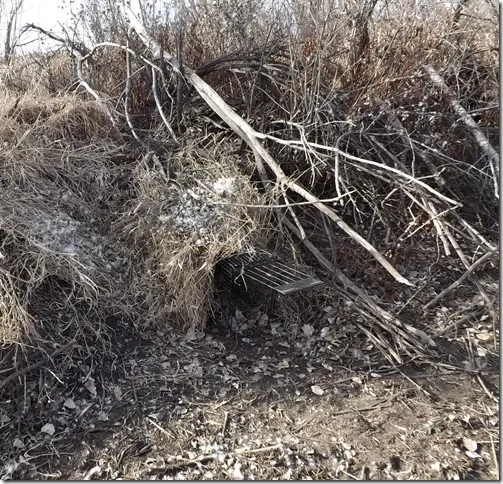
I drove back a craggy rutted lane that follows a mostly-dry creek bed into a

pasture dotted with big overgrown cedars. The creek bed winds around through

the pasture like a long slithering snake and is lined the whole way with thick

prickly locust trees and bent-over willows, making for a rather unfriendly pasture

but excellent bobcat habitat. The pasture borders an alfalfa field on one side, and

the fence separating the two forms and “L” shape, and the lane where I was

driving turns and follows that fence around the front of the pasture. At the corner

where the fence and lane turn, a nice big male bobcat awaited me in a cage trap

placed there.

In trapping, nothing is more important than placing traps at just the right

locations where you know from tracks, etc. that critters are traveling. I knew from

experience that the lane along the creek was a favorite travel route of bobcats. I

catch one at that same place most years, so a trap there stood a good chance of

connecting. But when trapping bobcats, there are also some other things you can

do to turn the odds in your favor.

Bobcats are nothing more than oversized, wild housecats and behave much the

same. If needing to describe bobcats in one word, that word would be finicky.

What grabs and holds their attention today might not garner a second glance

from them tomorrow, so the more different looks and smells you can give them

the better. I use a variety of smells at each trap. A dab of sweet smelling lure

placed just above the trap, a different skunky smelling lure high on a post or tree

limb where it will be picked up and carried by the wind, and a spray of bobcat

urine nearby are some ways I do that.

Cats’ are known to hunt with their eyes a little more than coyotes, so the more

intriguing things you can give them to look at the better. If using a foothold trap, I

will dig a big obnoxious looking hole then put a piece of fur, a rabbit carcass or a

tuft of feathers down deep in the hole to make them wonder what’s there. When

using a cage trap, I’ll wire a rabbit, duck or goose carcass in the very front of the

cage as though they were hiding there. Above, out-of-reach on a tree limb or bush

I’ll hang a goose wing from a piece of fishing line so it will twirl and flap in the

breeze. I’ve heard of trappers hanging all sorts of things to get their attention,

including CD’s which will flash in the sunlight or moonlight as they spin. I collect

down stuffing from old feather pillows and as a finishing touch I’ll toss a handful

of it into a nearby cedar tree or bush. To any critter passing near, that sticks out

like wearing white socks with black pants, or like white tape on the broken nose

piece of your glasses.

When I first started trapping in Kansas, catching a bobcat seemed as impossible as

catching a marlin from Kannapolis Lake. With a little advice from other

experienced trappers, lots of time spent in the woods and a few of the above

tricks I now catch a few each season….Continue to Explore Kansas Outdoors!

Steve can be contacted by email at [email protected]

Sweet Potatoes, The Versatile Vegetable

0

(Family Features) If you’re looking for a little variety to spice up your life, cooking with a versatile veggie such as the sweet potato may give your menu the satisfying kick you crave, along with a healthy dose of the nutrients your body needs.


Unlike many vegetables with a peak season that comes and goes, sweet potatoes can be found at your local grocery store year round with a consistent quality and freshness. Because they are available fresh, canned or frozen, sweet potatoes offer the ultimate flexibility for healthy and delicious menu options at any meal.

With virtually no fat and low in sodium, sweet potatoes, or yams, fit perfectly into a low-carb lifestyle, with major nutritional bonuses to boot. In addition to being a source of vitamin B-6, iron, potassium and fiber, the sweet potato provides twice the recommended daily allowance of vitamin A and more than one-third of the requirements for vitamin C.


Sweet potatoes also rank significantly lower than white potatoes in the glycemic index, which explains why many carb-counting diets encourage substituting sweet potatoes for white potatoes.


sweet potato soupCreamy Smoked Sweet Potato Soup

Winner in the “Fresh” Category

Servings: 6–8

Courtesy of Samantha Foglesong, New Orleans, La.


4          extra-large sweet potatoes (about 5 pounds)

4          cups seafood stock

2          cups heavy whipping cream

3/4       teaspoon kosher salt, divided

1/2       teaspoon ground cinnamon

1/4       teaspoon ground nutmeg

1          pound fresh jumbo lump crabmeat, picked free of shells

1          tablespoon fresh lemon juice

1/8       teaspoon crushed red pepper

2          tablespoons unsalted butter, melted

1          tablespoon thinly sliced chives


Prepare smoker to 200°F.


Smoke sweet potatoes 2 1/2–3 hours. Let cool, and peel.


In large Dutch oven, combine sweet potatoes, stock and cream. Blend on high speed with an immersion blender until smooth.


Heat over medium heat, and add 1/2 teaspoon salt, then cinnamon and nutmeg. Strain mixture through fine-mesh sieve into large bowl; discard solids.


In medium bowl, combine crab, lemon juice, red pepper, remaining salt, butter and chives.


Divide soup among bowls and top with crab mixture.


Sweet Potato S’moresSweet Potato S’mores

Winner in the “Canned” Category

Servings: 6

Courtesy of Michele Carl, Masonville, Colo.


1          cup pecans

1          cup almonds

3/4       cup honey, divided

1/8       teaspoon vanilla extract

12        dried pitted dates

1/8       teaspoon salt

1/2       teaspoon ground cinnamon, divided

1          tablespoon unsalted butter

2          cans (15 ounces each) sweet potato puree

1/2       cup apple cider

1/8       teaspoon ground ginger

1/8       teaspoon ground nutmeg

1/8       teaspoon ground cloves

1/2       cup minced crystallized ginger

2          cups miniature marshmallows

Dark chocolate shavings for garnish


Preheat oven to 170°F.


In food processor, pulse pecans and almonds until chopped. Add 1/4 cup honey, vanilla, dates, salt, 1/4 teaspoon cinnamon and butter, and process until finely chopped.


Spread in thin layer on parchment-lined baking sheet. Bake until crispy, about 3 hours. Let cool, and cut into 3-inch squares.


Reduce oven to 250°F. Spray a 13-by-9-inch baking dish with nonstick cooking spray.


In food processor, combine sweet potato, apple cider, remaining honey, ginger, nutmeg, cloves and remaining cinnamon; process until smooth. Stir in crystallized ginger.


Transfer to prepared baking dish, and cook 1 hour. Stir well, and cook 30 minutes more. Let cool to room temperature.


Increase oven to 300°F.


Spray rimmed baking sheet with nonstick cooking spray. Spread 1⁄2-inch layer of sweet potato butter on each cracker. Top with marshmallows, and place on prepared baking sheet; bake 10 minutes.


Sprinkle with chocolate shavings and serve.


Piquant Sweet Potato Quiche

Winner in the “Frozen” Category

Servings: 6

Courtesy of Karen McGowan, Houston, Texas


1          bag (15-ounces) frozen sweet potato fries, thawed

1/4       cup melted unsalted butter

1 1/2    cups shredded Havarti or Monterey Jack cheese

1          jalapeno pepper, seeded and diced

2          cups shredded Swiss cheese

2          cups chopped cooked ham

1/4       cup finely chopped fresh chives

4          large eggs, lightly beaten

1          cup half-and-half

1 1/2    teaspoons salt

1/2       teaspoon smoked paprika

1/2       teaspoon ground black pepper

1/4       teaspoon cayenne pepper


Preheat oven to 425°F.


Spray 10-inch pie dish with nonstick cooking spray.


Pulse sweet potato in food processor until shredded. Transfer sweet potato to sieve and press with paper towels to remove excess moisture.


Press potato into bottom and up sides of prepared pie dish. Brush with melted butter and cover with aluminum foil. Bake until edges of crust are golden brown, 20–25 minutes. Remove from oven and let cool on wire rack. Reduce oven to 350°F.


Add Havarti cheese, jalapeno, Swiss cheese, ham and chives to crust in one layer.


In medium bowl, combine eggs, half-and-half, salt, paprika, pepper and cayenne. Pour evenly over cheese mixture and cover with aluminum foil.


Bake until knife inserted into center comes out clean, 30–40 minutes. Let cool 5 minutes before serving.


Tips for perfect sweet potatoes

These prize-winning recipes show you how easy it is to create unique dishes with versatile, nutritious sweet potatoes. Before you get started, remember these tips from the Louisiana Sweet Potato Commission:


  • Fresh sweet potatoes can be stored for up to a month at 55°F to 65°F, but should not be refrigerated until after they are cooked.
  • Always use a stainless steel knife when cutting a sweet potato; using a carbon blade will cause the yam to darken.
  • One 15-ounce can of sweet potatoes equals one cup of fresh sweet potatoes.
  • Canned sweet potatoes are precooked, so add them at the end of a recipe.


For more prize-winning free recipes, or to enter your recipe in the national Louisiana Sweet Potato Commission’s 2015 Sweet Rewards Recipe Contest, visit www.sweetpotato.org.

Source: Louisiana Sweet Potato Commission

Learning to Play the Clarinet

0
Sandra Pugh
Sandra Pugh

The year we started the 6th grade we were allowed to start band with Mrs. McCormick. She was the main reason I wanted to be in the band. I loved chorus and wanted to take more classes with her.

She had girls chorus on Monday and Wednesday and the boys met with her on Tuesday and Thursday. She put the two together for mixed chorus on Fridays.

On the days the boys had a ball game on Friday she would have the girls come to class and she would try to teach us etiquette and how to walk like a lady. We had to try to walk with a book on our heads and she always told us to stand as if someone had a string attached to the top of our head pulling up. I always had trouble balancing the book on my head and I am not sure the practice ever helped me, but she was persistent.

One evening right after school started a man from Gunn Music Company came to the school with instruments and we chose which one we wanted to play. Mrs. McCormick told us which instruments she needed in the band that year and then it was up to the parents to decide which one they could afford.

Half the class including my best friend and I wanted to play the drums. The drums were owned by the school and lots of parents wanted the kids to play them so they didn’t have to buy an instrument. But there were only three drum positions open that year; my best friend got one, then two other girls took the other two before it was my turn to choose.

Since all the drummer positions were filled I had to choose a different instrument. I didn’t have any idea what I wanted to play and finally decided on the clarinet. It was probably one of the cheapest instruments and that was the reason my parents and I chose it. I think it must have cost under $50.00.

There was a reason the clarinet was cheaper to buy and that reason was the reeds that you had to buy to play it. They could have given you the clarinet and still made a bundle selling you the reeds. Just the tiniest little bump and it would split and you had to buy a new one. You could probably fill a box car with the broken and chipped reeds I went through in the next 6 years.

I didn’t play the first night I took it home, I just took it out and put it together and took it apart and placed it back in the case a dozen times. I didn’t have a reed and that was probably a good thing, because it would have been ruined the first night I am sure.

B Band was the first class of the day and started at 8:30, what a horrifying wake up call for Mrs. McCormick and the rest of the school. It was a cacophony of squawking clarinets and saxophones and off key trumpets and flutes. The tubas and trombones were booming in the background, making such a racket that I am surprised she could hear anything else.

Mrs. McCormick sold me a reed the first morning of band practice and I didn’t think I would ever get the hang of using it. She worked with each section of instruments at a time; she had 3 clarinets that year in B band to work with the first morning.

Once we had instructions on how to finger the notes in the scale we worked together as a section while she moved on to another challenge. If there had been ear plugs available I am sure she would have worn them that first week of B band lessons.

I took my clarinet home every night and as soon as I arrived I went to my room and started to practice the scales. Learning the scales and how to finger each note was the easy part; learning how to keep the reed from squawking was another matter and as hard as I tried, about every fourth note was a high pitched squawk.

My old dog Brownie had been my faithful shadow since I was two and when I was home he never left my side. After the first few minutes the first night of trying to get the notes right and making the squawking noises, he abandoned his post.

The moment I started to play the first time he threw back his head, stuck his nose in the air and howled long and loud. That mournful sound brought Mom to the bedroom to see what was wrong. He rarely howled at anything so she thought something had happened to me. Once she saw what was going on she started to laugh and told him if she could howl she would join him because it was hurting her ears also. When she turned and left the room he quickly followed her and went outside.

From that day forward, the minute I went into the bedroom and laid the clarinet case on the bed he would run and want outside to get away from all the ear splitting sounds that emitted from that black stick.

If I could catch him before he turned tail and ran, I would shut the bedroom door and stop his hasty retreat. Then he immediately went to a corner and sat down and waited for the torture to begin. As soon as I played the first note he jumped to his feet and started pacing the floor in a circle with his head thrown back howling as loud as he could.

Sometimes as soon as I picked up the clarinet he would throw his head back and begin to howl even before a single note had been played. This always made me laugh and made it even harder to hit the notes right and I made more of the squawks and squeaks. Then he howled even more and the cycle continued as long as I practiced.

The time spent learning the clarinet strained my relationship with Brownie; even when I became proficient with it he still went outside to get away from me. He was my worst critic and continued to howl every time I played.

Even though Brownie never thought my playing was very good, Mrs. McCormick was very supportive while I was learning to play the clarinet. She made a point each day to tell all of her students that they were doing a good job. To contact Sandy: [email protected]

Warm Up to Veggie-Packed Soup

0

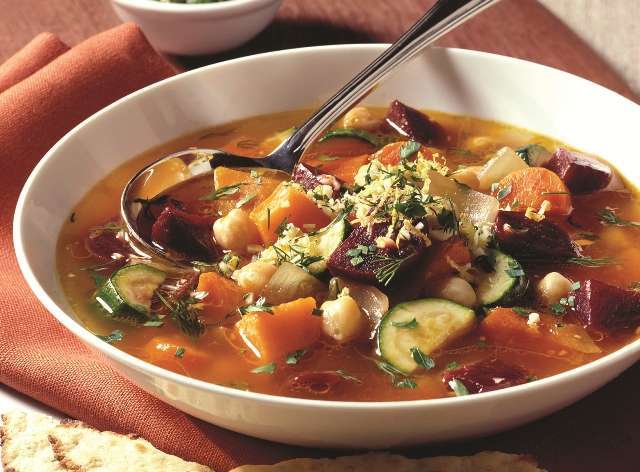
(Family Features) When the weather outside is frightful, we could all use a cozy soup for supper. A steaming bowl of Rustic Vegetable-Beet Soup provides instant comfort.


The ease and convenience of Aunt Nellie’s pickled beets can’t be “beet”– no need to spend time peeling or pickling. This colorful mix of antioxidant-rich beets, sweet potato and carrots joins tender zucchini to create a soup that tastes like it simmered all afternoon; but in fact, comes together in under an hour. The sweet-tangy beets add an unexpected but welcome layer of flavor to this hearty soup.


For the finishing touch, a garnish of vibrant green, lemony gremolata brightens the soup’s flavor. Garlic, lemon and parsley may seem ordinary, but they come alive when combined. Crisp flatbread makes a perfect accompaniment to this meal-in-a-bowl.


For more recipes, or to learn more about Aunt Nellie’s beets and other products, visit www.AuntNellies.com.


soupRustic Vegetable-Beet Soup

Prep time: 20 minutes

Cooking time: 30 minutes

Servings: 6


1          jar (16 ounces) Aunt Nellie’s Whole Pickled Beets, well drained

2          tablespoons olive oil

2          medium onions, coarsely chopped

2          medium carrots, coarsely chopped

1          medium sweet potato, peeled and chopped

2          large cloves garlic, minced

2          zucchini (about 5 ounces each), coarsely chopped

2          cans (about 14 ounces each) vegetable broth

1          teaspoon seasoned salt, optional

1          can (15.5 ounces) chickpeas, drained and rinsed

Salt and pepper

2          tablespoons finely chopped fresh parsley

2          tablespoons finely chopped fresh dill


Gremolata:

1          tablespoon minced fresh parsley

1          tablespoon minced fresh dill

2          cloves garlic, minced

1          teaspoon grated lemon peel


Coarsely chop beets; set aside.


In large saucepan, heat oil over medium heat. Add onions; saute about 5 minutes or until softened. Add carrots, sweet potato and garlic. Saute 3-5 minutes or until vegetables begin to soften, stirring occasionally.


Add zucchini, broth and seasoned salt, if desired. Bring to a boil. Reduce heat and simmer, partially covered, about 15 minutes or until vegetables are tender. Add chickpeas; heat through. Season to taste with salt and pepper, as desired. Stir in parsley and dill. Stir in beets. Serve immediately topped with gremolata, if desired.


To make gremolata, combine all ingredients.


Nutrition information per serving (1/6 of recipe): 210 calories; 6 g fat; 6 g protein; 33 g carbohydrate; 6 g dietary fiber; 0 mg cholesterol; 2 mg iron; 727 mg sodium; 0.13 mg thiamin; 6981 IU vitamin A; 8 mg vitamin C.