Wednesday, February 25, 2026
Home Blog Page 584

Apple Butter

0


Picture this: you’re prepping for a night of cards with your pals, and the snack game needs to be on point. Enter apple butter – the unsung hero of delightful game nights. The air is filled with the shuffle of cards, the room resonates with laughter, and the sweet scent of apple butter adds that extra touch of magic. It sets the stage for an unforgettable poker session with friends. And if the virtual casino beckons, well, just ensure you’re rolling with the legit ones for a smooth gaming ride. Plus, for those on a budget, online casinos offering small deposits make the fun accessible to everyone. Check out this page https://movigame.jp/minimum-deposit-casinos/ you want to read more about minimum deposit casinos.

Yield: 5.5, Half Pints jars

Needs: Crockpot, medium size saucepan with lid, one crockpot liner, submersible blender.

6-7 lbs. of apples.

(I used 15 large galas, in large oval crockpot)

Skins from 10 apples, could use more-

1 cup apple cider

2 teaspoons cinnamon

1 teaspoon allspice

3 tablespoons lemon juice

1 1/2 cups white granulated sugar

1 1/2 teaspoons salt

Later add 1/2 cup packed light brown sugar or dark if desired.

You will be peeling and quartering your apples into a lined crockpot. Once the peels from the first 10 apples have been removed place them in a saucepan with 1 cup apple cider. You can actually use the cores, seeds & skins to pull the pectin out in this process. Bring to a boil, and cook covered for one hour, over low heat.

I like this process because it keeps the ‘sticky’ mess a bit more curtailed.

Finish peeling and quartering all the apples. Sprinkle on the spices, salt, lemon juice and granulated white sugar. Cover and cook on low for about an hour while the apple peels & cider continue to cook.

Remove the peels from the saucepan, draining & retrieving as much pectin/juice as possible. Now add the pectin/juice from the skins & cider to the crockpot. Leave on low and cook overnight, or about 8 hours.

Lift lid on crockpot after 8 hours and add the packed brown sugar. Using a submersible blender blend the apple mixture smooth. Sit the lid at a tilt and keep cooking the mixture until it reaches the desired thickness. Keep in mind it will thicken as it cools too.

(I overslept and mine ended up cooking about ten hours with the lid on. The color was magnificent and it blended very nicely. However; I still let it cook with the lid off for a while, a couple of hours was all that was necessary.)

Feel free to add more sugar, depending upon your tastebuds and the type of apples being used. Our son, Phillip, requested I not over-do the cinnamon, so you can add more. Sometimes I also like to add fall flavorings to my butters. I.E., maple flavoring, a light rum, etc. Also throwing in a few cinnamon red hots can be fun. The longer it is cooked the darker it becomes.

Apple butter can be combined in between fall cake layers with a bit of icing or cream cheese. Baste the butter on a pork chop. Most of us have recipes with cream cheese fillings in them, consider taking it up a step with the addition of the butter. I’m thinking of a couple of bar cookie recipes where this would work, and I’m wondering about putting it into my apple kuchen!

After school snacks, tail gate parties, youth groups, here’s an extra for you.

Apple Butter Spread/Dip

8 ounces of softened cream cheese

2 tablespoons brown sugar

1/2 cup apple butter

1 teaspoon of Vanilla (Debbie note, use maple?)

Mix together until smooth, will last up to a week in the refrigerator. Serve with sliced apples, bagels, pretzels even graham crackers. This recipe was everywhere on line, I don’t take credit for it.

Apple Butter, October 23, 2023

The Covered Dish

Debbie Dance Uhrig

I was a bit embarrassed this week to learn that our son, Phillip, is very fond of apple butter. I had it in our home when he was a ‘wee’ guy, but had not brought it back over the years. At that time, he didn’t care for it at all. When it comes to jams, jellies, chutneys and the like he will only use grape jelly! So, I was quite surprised over this revelation.

Last weekend he and Paige, his gal, went to apple butter days over in Mount Vernon, Missouri. This festival has been going on for years, with over 400 vendors present for their 2–3-day event. Evidently; he thought he was going to see multiple apple butter stands, but only found around four vendors selling it. (There was a contest for it also.) I only learned about his likes for apple butter following the trip. I think I was embarrassed because I could have been making him apple butter all along, had I known.

Like my maternal grandmother, Lucy Rightmire Richardson, I’ve made apple butter along with pumpkin butter. The catch was we never wrote anything down!

One thing I like to do when I write a recipe for someone ‘specifically’ is to

quiz them with their expectations in mind. So, before writing this recipe I lassoed Phillip, and made sure to make it to his specifics. What were they? Very smooth,

no lumps, not too much cinnamon, and the ‘body’ was not to be runny.

One of the things I try to do when setting recipes is to make them simple to understand, with extra comments explaining what I did ‘specifically’. The other is to figure out ways to get the project done with ease and as little mess as possible.

Believe me I did not want to write this recipe requiring you to cook the skins, seeds, core and pulp all together and then run it through a foley mill!!! The foley mills are not easy to clean, they take time, can make a real mess, and lastly only more seasoned cooks have one, or know what they are! FYI some folks also call them a potato ricer or a sieve.

In the olden’ days apple butter was cooked in a big cast iron kettle over a fire, outside. Some families still follow this tradition, feeling it’s the only way to make quality apple butter. I chose the crock-pot method because it’s more apt to lure you into making it.

I’m wondering if I’ll have enough from this batch for a few Christmas gifts? If not, I’ll just have to make more next weekend. Include this with a loaf of homemade bread, and it just doesn’t get much better. Another thing I like to make for holiday gifts is a cranberry orange sauce. Perhaps I should share that one next week so you too can get a jump on your holiday prep. Hey, I’ve already got all the ingredients for peanut clusters and a couple of other holiday yummies. I pick them up when they’re on sale, which is definitely the ticket.

Ladies, another thing I like to do is pick up ‘cheap’ baskets at a thrift store, bring them home and revitalize them with a good bath. Then go to a Dollar tree, or someplace known for inexpensive towels and purchase a few. Line the baskets with the towels and fill with the bread and a couple of homemade things like the apple butter etc. ‘Years’ ago, mushrooms in grocery stores came in wooden, oval shaped boxes and those were used. This was before we had thrift stores and flea markets!

WOW, I had no intention of this column getting so lengthy! Best close things up and get the apple butter canned. Happy Fall, The Covered Dish.

Apple Butter Yield: 5.5, Half Pints jars

Needs: Crockpot, medium size saucepan with lid, one crockpot liner, submersible blender.

6-7 lbs. of apples*

(I used 15 large galas, in large oval crockpot)

Skins from 10 apples, could use more-

1 cup apple cider

2 teaspoons cinnamon

1 teaspoon allspice

3 tablespoons lemon juice

1 1/2 cups white granulated sugar

1 1/2 teaspoons salt

Later add 1/2 cup packed light brown sugar or dark if desired.

You will be peeling and quartering your apples into a lined crockpot. Once the peels from the first 10 apples have been removed place them in a saucepan with 1 cup apple cider. You can actually use the cores, seeds & skins to pull the pectin out in this process. Bring to a boil, and cook covered for one hour, over low heat.

I like this process because it keeps the ‘sticky’ mess a bit more curtailed.

Finish peeling and quartering all the apples. Sprinkle on the spices, salt, lemon juice and granulated white sugar. Cover and cook on low for about an hour while the apple peels & cider continue to cook.

Remove the peels from the saucepan, draining & retrieving as much pectin/juice as possible. Now add the pectin/juice from the skins & cider to the crockpot. Leave on low and cook overnight, or about 8 hours.

Lift lid on crockpot after 8 hours and add the packed brown sugar. Using a submersible blender blend the apple mixture smooth. Sit the lid at a tilt and keep cooking the mixture until it reaches the desired thickness. Keep in mind it will thicken as it cools too.

(I overslept and mine ended up cooking about ten hours with the lid on. The color was magnificent and it blended very nicely. However; I still let it cook with the lid off for a while, a couple of hours was all that was necessary.)

Feel free to add more sugar, depending upon your tastebuds and the type of apples being used. Our son, Phillip, requested I not over-do the cinnamon, so you can add more. Sometimes I also like to add fall flavorings to my butters. I.E., maple flavoring, a light rum, etc. Also throwing in a few cinnamon red hots can be fun. The longer it is cooked the darker it becomes.

Apple butter can be combined in between fall cake layers with a bit of icing or cream cheese. Baste the butter on a pork chop. Most of us have recipes with cream cheese fillings in them, consider taking it up a step with the addition of the

butter. I’m thinking of a couple of bar cookie recipes where this would work, and I’m wondering about putting it into my apple kuchen!

After school snacks, tail gate parties, youth groups, here’s an extra for you.

Apple Butter Spread/Dip

8 ounces of softened cream cheese

2 tablespoons brown sugar

1/2 cup apple butter

1 teaspoon of Vanilla (Debbie note, use maple?)

Mix together until smooth, will last up to a week in the refrigerator. Serve with sliced apples, bagels, pretzels even graham crackers or ginger snaps. This recipe was everywhere on line, I don’t take credit for it.

*Research your apples before making a batch of apple butter, this way you will know how to adjust your sugar content. Or, at least be a little closer.
No nightmares: K-State expert shares tips for Halloween food safety

0

Scare away bacteria with these ideas on keeping goodies safe

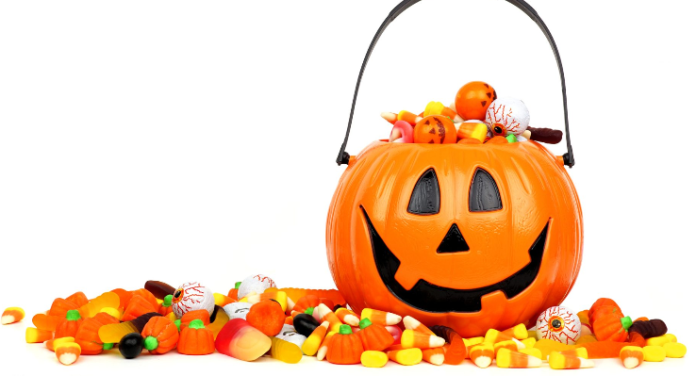
Temperatures are dropping and leaves are falling which means Halloween is quickly approaching. While the holiday is not always thought to be overly risky in terms of food safety, any time perishable foods are left out can be a nightmare.

“Perishable foods such as meat and cheese trays, pasta dishes or finger sandwiches should be kept in a refrigerator until the party starts,” said Karen Blakeslee, Kansas State University food scientist and coordinator of K-State’s Rapid Response Center.

Blakeslee shared tips on how to keep party food safe to eat:

  • Arrange food on small platters so you can refrigerate and rotate food within two hours.
  • Use party tray lids as coolers by filling them with ice and setting the trays on top.
  • Store treats that need to be hot or cold. They should not be left out at room temperature for longer than two hours.
  • Wait until dough and batters are fully cooked before taste testing. Say no to raw dough as uncooked flour has been linked to foodborne illness outbreaks.
  • Beware of unpasteurized juice or cider, as it can contain harmful bacteria such as coli O157:H7 or Salmonella.

“Wash your hands before preparing food and keep raw meats away from ready to eat foods to prevent cross contamination,” Blakeslee said.

When planning a Halloween bash, keep in mind food allergies. To avoid allergic reactions, Blakeslee suggests asking guests beforehand if they have any food allergies. Keep in mind that sesame is now the ninth major food that can trigger allergic reactions, she said.

Trick-or-treating can be a sticky situation if candy is not thoroughly inspected. “Parents should examine the treats to avoid any tricks that may be in their bags. If any treats are damaged or open, discard them,” Blakeslee said.

When gathering treats to hand out, consider non-food items for kids with food allergies.

For parents, Blakeslee had another piece of advice to make Halloween a treat – and not a trick. “Give your goblins a meal or snack before trick-or-treating to fuel them through the fun,” she said.

Blakeslee publishes a monthly newsletter called You Asked It! that provides numerous tips on being safe and healthy. More information is also available from local extension offices in Kansas.

By K-State Research And Extension


What to do with those falling leaves and pumpkin seeds?

0
Photo Credit: Rich Bowen

After clearing lawn, use clippings for compost, says K-State horticulture expert

Beautiful fall leaves have begun to cover lawns and will continue to fall throughout November. Kansas State University horticulture expert Ward Upham said it’s important to remove leaves from home lawns.

“Although a scattering of leaves won’t harm the lawn, excessive cover prevents sunlight from reaching turfgrass plants,” Upham said. “Turf left in this state for an extended period will be unable to make the carbohydrates needed to carry it through the winter.”

There are a few different options for handling fallen leaves Upham said, listing a few options: composting, direct incorporation into gardens, and mulching.

Incorporating leaves directly into gardens is an easy method of making good use of leaves. To do so:

  • Use a lawn mower to chop and collect leaves into a bagging attachment.
  • Transport leaves to the garden or flower bed and apply a 2 to 3 inch layer.
  • Till the leaves into the soil after spreading.
  • Repeat the process every two weeks until the weather is too cold or soil is too wet.

Another easy and effective option is mulching by mowing the leaves with a mulching mower and letting the shredded leaves filter into the turf canopy.

“Mulching will be the most effective if done often enough that leaf litter doesn’t become thick,” Upham said.

Roasting pumpkin seeds

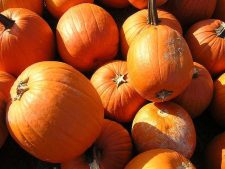
Pumpkins are the perfect fall decoration and could be put to even more use this season by roasting their seeds for a delicious snack.

“Consider roasting seeds before freezing temperatures destroy the pumpkin fruit,” Upham said, adding some ideas on how to roast the seeds at home:

  • Cut open the pumpkin and remove the seeds and stringy material.
  • Wash seeds and toss with oil before roasting.
  • After seasoning, spread the seeds on a cookie sheet and roast for about 25 minutes at 325 degrees Fahrenheit.
  • Roast time can vary depending on seed size and moisture content.
  • Seeds are done when they turn golden brown.

“Flavor can be enhanced by adding a sprinkling of salt to the oiled seeds,” Upham said.

By Kansas State University Research And Extension

Alfalfa producers and horse owners fight off blister beetles

0

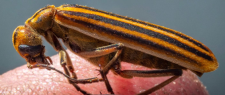
Blister beetles in alfalfa cut throughout the summer months are an ongoing concern for horse owners in the southern and eastern regions of the United States. The consequences can be deadly if a horse eats a blister beetle, alive or dead, while munching on the hay.

Weather patterns consistently exhibiting hot, dry conditions with intermittent rainfall can increase blister beetle populations. Traditional recommendations for blister beetle management focus on hay fields and hay from potentially infested fields.

Kelly SeuhsOklahoma State University Extension specialist in forage entomology and alfalfa, said many of Oklahoma’s blister beetles are drawn to blooming plants, resulting in large mating swarms. Blister beetles have been spotted in barns because native species are attracted to broadleaf weeds that grow near the structures.

Identifying blister beetles and signs of toxicity

Blister beetles can range in size from three-quarters of an inch to 1 1/4 inches in length with narrow bodies and antennae that are one-third the length of their entire bodies. Four species common in Oklahoma are margined, black, ashgray and striped.

“The one we really need to worry about is the striped blister beetle,” Seuhs said. “They have the highest concentration of cantharidin, which is a blistering agent produced by the beetle as a defense mechanism.”

The blistering agent is toxic, and if a horse consumes blister beetles in high enough quantities, it may exhibit the following symptoms:  

  • Sores or blisters on the tongue and in the mouth
  • Colic
  • Straining
  • Increased temperature
  • Depression
  • Increased heart and respiratory rates
  • Dehydration
  • Sweating
  • Diarrhea
  • Bloody feces
  • Frequent urination

Seuhs said ruminant livestock, such as cattle and goats, can also be affected by blister beetles but generally not as severely as horses.

Signs of blister beetle toxicity typically occur within 3 to 12 hours after ingestion. It can be difficult to determine if horses have consumed blister beetles because horses could exhibit common symptoms of colic. A low fever, refusing feed, or acting depressed or lethargic are also possible signs a horse has ingested blister beetles.

Kris Hiney, OSU Extension’s equine specialist, said irritation of a horse’s mouth and mucous membranes may cause the animal to appear they are playing in or dunking their head in water. They may also display signs of straining and the need to urinate.

The cantharidin in beetles affects key electrolytes, which dysregulate breathing and elevate heart rate. The conditions can be fatal, and a veterinarian should be contacted immediately if blister beetle poisoning is suspected. The sooner a horse is treated, the greater the chance of survival.

Preventing blister beetles

Scouting alfalfa along field borders for beetles before the hay is baled can save a horse’s life. Seuhs said the insects are notorious for swarming and are known to congregate. They’re most active in the summer, and when a swarm is present, the ground will appear to move.

Hay most often becomes contaminated with blister beetles when they are crushed in alfalfa from the swather. Beetles are killed by the crimper rollers and become trapped in the hay. The remains of blister beetles may be concentrated in a small portion of the hay from a field. Beetles are also trapped and killed when forage is driven on before the beetles have had time to escape.

If left alone, most blister beetles leave alfalfa shortly after cutting. Harvesting the hay without using crimpers and avoiding wheel traffic on freshly cut alfalfa are two of the best ways to avoid problems.

The OSU Extension fact sheet on blister beetle activity advises alfalfa producers to take the following measures to avoid blister beetles in hay:

  • Maintain weed control within and outside the field.
  • Spray entire fields with a short residual insecticide just before harvesting. Spray the fence rows and field borders as well; or
  • Inspect fields shortly before cutting and spray only the infested areas if any are found.
  • Harvest alfalfa before it blooms, if possible.

Seuhs said treating fields for grasshoppers as early as possible in the spring can help reduce beetle numbers. Blister beetles feed on grasshopper eggs laid in the cracks and crevices of the ground as a nutrient source for the winter. The size of a grasshopper population can be a sign of next season’s blister beetle infestation.

While there is no way to eliminate the possibility of blister beetles in alfalfa completely, the best management approach is to take precautions to reduce the likelihood of their presence.

The OSU Extension fact sheet on blister beetles also provides tips to horse owners on how to purchase alfalfa safe for horses. Recommendations include: 

  • Know the alfalfa supplier.
  • Ask producers what precautions were taken to avoid blister beetles in forage.
  • Inspect hay before feeding if blister beetles are suspected.
  • If feeding small amounts of alfalfa, examine each flake for concentrations of dead blister beetles.
  • Purchase hay harvested before May or after September. This will not guarantee hay free of blister beetles but will significantly reduce the risk.
  • By Gail Ellis │ Oklahoma State University

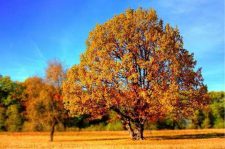
Fall Colors of Trees

0
Fall Colors of Trees

During the growing season leaves are making food for trees through photosynthesis. Chlorophyll found in the leaves captures the energy of the sun and gives trees their green pigment. As the amount of daylight decreases and the temperature drops heading into fall, chlorophyll production slows and the green color of leaves begins to fade. Xanthophylls and carotenes which are responsible for the orange and yellow pigment are always present in the leaves but only become visible as the green fades. Tannins are also present throughout the growing season and produce brown colors. Anthocyanins create red and purple pigments and are primarily produced during the fall.

The timing and intensity of the fall display varies based on types of trees and the environmental conditions. Different species will have differing levels of these pigments. Certain types of oaks and maples have brilliant fall foliage displays with varied colors while some trees will display primarily one color.

Temperature, soil moisture, rainfall and amount of sunlight impact the intensity and duration of the color. Warm, sunny days encourage photosynthesis which means sugar accumulation in the leaves. Cool nights slow respiration which helps conserve sugars. The combination of these factors results in a brilliant foliage display. Cloudy days and warm nights reduce sugar accumulation and consequently result in less vibrant leaf colors. Heavy rain, hot and dry summers, and frosts/freezes all have a negative effect on the vibrancy of fall colors and length of time they remain.

During this time, an abscission layer develops where the leaf petiole attaches to the branch. This barrier prevents sugars from being transported out of the leaf to the rest of the tree. Once the abscission layer is present, the leaf is ready to drop to the ground with the help of a windy gust or rainy day.

If you’ve noticed the fall display in your landscape changes from year to year pay attention to the weather patterns and this should give you an explanation as to why.

Cynthia Domenghini, Extension Agent