Saturday, March 7, 2026
Home Blog Page 707

Sidedressing Annual Flowers 

0

Applying a high nitrogen fertilizer to warm-season annuals four to six weeks after flowering can promote more vigorous growth and a longer blooming season. Implementing a regular fertilization program every three to four weeks is important if your garden receives regular irrigation or during a rainy summer.

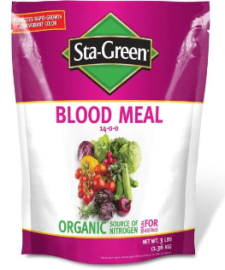
Common sources of nitrogen-only fertilizers include nitrate of soda, urea and ammonium sulfate. Blood meal is an organic fertilizer that contains nitrogen. Use one of these fertilizers at the following rate:


Nitrate of soda (16-0-0): Apply 1/3 pound (.75 cup) fertilizer per 100 square feet

Blood meal(12-1.5-.6): Apply 7 ounces (7/8 cup) fertilizer per 100 square feet

Urea (46-0-0): Apply 2 ounces (1/4 cup) fertilizer per 100 square feet

Ammonium Sulfate (21-0-0): Apply 4 ounces (1/2 cup) fertilizer per 100 square feet

Alternatively, a lawn fertilizer that is about 30 percent nitrogen (nitrogen is the first number listed in the series of three) can be applied at a rate of 3 ounces (3/8 cup) per 100 square feet. Do not use a fertilizer that contains a weed killer or weed preventer.

Cynthia Domenghini, Extension Agent

Deadheading Flowers   

0

Deadheading is the process of removing spent flowers from a plant. Multiple benefits can be achieved from this task. It promotes blooming and can lengthen the bloom season. Plants naturally direct energy toward seed production. By removing old flowers from the plant, seed production is halted and the plant will use energy to create additional blooms.

Some plants do not benefit from deadheading. Impatiens, moss rose (Portulaca) and fibrous begonias are known as “self-cleaning” and do not need to be deadheaded to remove spent blooms. Melampodium is a quick-growing annual and will grow past expired blooms so deadheading isn’t necessary. Most flowering vines, periwinkle (Catharanthus) and wishbone flower (Torenia) also do not require deadheading.

There are some other reasons you may choose not to deadhead. Removing flowers prevents the plants from reseeding consequently limiting the number of plants the following growing season. No seedheads also eliminates a food source for birds and other wildlife. Some plants such as coneflower (Echinacea) have attractive seedheads you may choose to leave intact.

Hardy geraniums, coreopsis, petunias, marigolds (Tagetes), snapdragons (Antirrhinum), begonias, roses, campanulas, blanket flowers (Gaillardia), delphiniums, zinnias, sweet peas (Lathyrus odoratus), salvia, scabiosa, annual heliotrope, geraniums (Pelargonium) and yarrow (Achillea) are all plants that increase flower production if deadheaded.

Blooms should be removed as soon as they begin to fade. For soft-tissue plants, the bloom can usually be pinched off using your thumb and forefinger. Pruners may be required for tougher stems.

Extension Agent, Cynthia Domenghini

Lettuce Eat Local: You say potato salad, I say potato salad

0

Amanda Miller
Columnist
Lettuce Eat Local


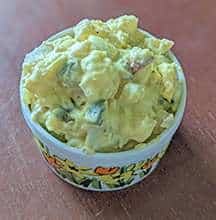
To some, it might just look like a bowl of potato salad. To others, it might look like a serving of delicious controversy. 

I am quite amused at the strong feelings associated with potato salad that I have unearthed recently. Forget opening a can of worms, just try putting mayo on some potatoes and see what happens. (Even that phrase isn’t as innocent as it seems — maybe you think it’s supposed to be miracle whip!)

I too, however, possess more potato salad convictions than I was previously aware of. Personal attachments to this particular picnicky side started coming up this past weekend when I was prepping for my biggest annual catering job, a yearly customer appreciation farm party for a local dairy. We were whipping out giant tubs of potato salad to go alongside pulled pork and beef sandwiches…and when I say “whipping out,” I mean “slowly and laboriously working on.” There is nothing quick about 70 pounds of potatoes. 

I follow an idea, not a recipe, when I make potato salad (and most other things). And actual measurements even more so go out the window when cooking for over 400, because who really knows what’s going on? I might be the “chef,” although I prefer the title of “Person Who Cooks,” but really I just do stuff and hope it tastes good. 

That said, I do have an idea about how I want and expect things to go. And when we decided on classic potato salad, apparently the farm party hosts and I were saying the same words yet meaning different things. I’ve made quite a variety of potato salads in my day — although not quite as many as my husband thinks. When I was discussing the topic with him, Brian laughed out loud and asserted that I’ve made at least 25 different kinds since we’ve been married, and that I’ve never made the same kind twice. I have not made that many, and although he may be correct on the technicality that they’re not exactly the same since I don’t measure, I have a clear “classic” style. 

It’s creamy, mustardy, and sweet, with plenty of texture from celery and hard-boiled eggs. I prefer to use unpeeled diced yukon gold potatoes, although shredded russets is what I grew up with, and the diced red potatoes we used for this event were perfect. I used miracle whip once in my culinary infancy, and never again — it’s mayonnaise always and forever. I like fresh dill, celery seed, and diced pickles, with good splashes of the pickle juice. 

But that is obviously not how everyone envisions potato salad, and the more people I questioned about it, the more heartfelt answers I got. The differences in what my hosts meant by potato salad were neither earth-shattering nor unappetizing by any means, but they were also not the Right Way to make it. Who makes potato salad without sugar or herbs, and with essentially equal parts potatoes, eggs, and pickles?

My favorite moment was when four of us tasted the dish in process: I thought it needed sugar, she thought it needed more salt, he thought it needed more acid, and the other he thought it needed more pickles. 

The good news is, at that point we all knew it was close, so we tossed/lugged the tubs of it into the fridge to chill out overnight and figure out its own problems. In the end, it was nobody’s “ideal” salad — but by the time we dished it out for serving, none of us wanted to change anything (except for the guy who still needed more pickles). 

The general public seemed to agree, and it was all we could do to keep the serving dishes from getting empty. And honestly, the quart of leftover salad I took home was strangely addictive. I am not a potato salad snacker, until this batch came around. Open the fridge, take a few bites, and voila! summer satisfaction. 


Not-Quite-Classic Classic Potato Salad

That whole thing about not measuring anything makes sharing a recipe more difficult. I can tell you we used 70 pounds potatoes, 6 quarts mayo, a couple jars dijon mustard, 13 dozen eggs…but that’s also not helpful. Here’s a good approximation for a smaller batch, and try to hold yourself back from adding that thing you think it needs more of until it has a chance to chill overnight. 

Prep tips: I like to sprinkle some salt and splash some vinegar over the potatoes while they’re still hot so they soak up some of that flavor. 

5 pounds red potatoes, scrubbed

1 dozen hard-boiled eggs, diced

5-10 celery ribs, including leaves; minced

1 red onion, minced

splashes of white and apple cider vinegar

2 cups mayo

¼ cup dijon mustard

1-2 cups diced pickles or relish, dill and/or bread & butter

salt and pepper to taste

Cook potatoes until fully tender but still holding together. Let cool slightly, then dice. Add remaining ingredients, and stir thoroughly — some of the potatoes will probably break down, but that’s good as they make it creamier. Refrigerate overnight, then adjust as necessary. 

Horticulture 2023 Newsletter No. 21

0

https://hnr.k-state.edu/extension/info-center/newsletters/index.html

Blog Post: http://www.ksuhortnewsletter.org

Video of the Week: When to Fertilize Your Lawn
https://kansashealthyyards.org/all-videos/video/when-to-fertilize-your-lawn

REMINDERS
Mulch vegetable garden.
Pinch mums when they reach 6″ tall to encourage bushier growth. https://tinyurl.com/yb4cd4aa
Make a vegetable garden “map” so that you remember what was planted in what spot.

VEGETABLES
Mulching Tomatoes
Tomatoes perform best with regulated soil moisture. Mulch provides many benefits in the garden including maintaining moisture levels, suppressing weeds and moderating soil temperatures. Exposed soil may develop a crust on the surface from repeated wet then dry conditions. A crusty soil surface restricts air flow and inhibits water absorption. A layer of mulch can prevent the soil from crusting over.
Straw mulch is a popular choice for tomatoes. Avoid using hay as it introduces weed seeds. A thin layer (2-3 inches) of dry, herbicide-free, grass clippings can be used. If the lawn was treated with quinclorac (Drive), the clippings should not be used as mulch. (Cynthia Domenghini)

Onions Developing
As onion bulbs develop, they will emerge from the soil. Do not mound the soil up over the bulbs. A nitrogen fertilizer can help plants develop healthy top growth which directly affects the bulb growth. Ammonium sulfate (21-0-0) at a rate of ½ cup per 10 feet of row can be applied. Other fertilizers high in nitrogen such as, 29-5-5 or 27-3-3, can be used at a rate of 1/3 cup per 10 feet of row. Water the fertilizer into the soil two to three inches from the plants. When the bulbs break through the soil, stop fertilizing.
Regular weeding is necessary to protect onions from competition over nutrients and space to expand. Gently cultivate the rows to avoid damaging onions.
Onion bulb size will vary depending on the amount of water the plants receive. Ensure plants are receiving regular water during dry weather. (Cynthia Domenghini)

FRUIT
‘Tip’ Blackberries, Black Raspberries and Purple Raspberries
Blackberries and Raspberries have the same growth and fruiting habits. The perennial root system survives many years while the top growth, canes, are biennial, living only two years.
Primocanes are the first-year’s canes. They are typically green and for most varieties, do not set fruit. The second year these canes have a thin, brown bark and are called “floricanes”. Floricanes fruit and then die. Each year new primocanes develop so the berry plant has both primocanes and floricanes present after being established.
Tipping, or pinching off the top two to three inches of primocanes encourages branching (lateral growth) and can increase fruiting yields by three to five times the following year. Everbearing berry plants do produce fruit on the primocanes and should be pruned differently than the traditional plants that do not fruit on the first year’s growth.

Blackberries: Traditional – Tip at 4 feet
Blackberries (everbearing) – Tip at 25 to 30 inches high. Laterals are also tipped when they reach 25 to 30 inches
Black Raspberries – Tip at 3 feet
Purple Raspberries – Tip at 36 to 40 inches
Red Raspberries – Do not tip
(Cynthia Domenghini)

TREES AND ORNAMENTALS
Spring-Flowering Bulb Foliage can be Removed
Spring-flowering bulb foliage should be left intact so they can generate and direct energy into the bulb to promote flowering the next year. When the foliage turns brown and wilts, it has “ripened” and can be removed. At this time of year, tulips, daffodils and many other spring-flowering bulbs have ripened. Foliage can be removed with clippers or even a mower. Keep records of where the various bulbs are planted because once the foliage is removed the bulbs will be hidden below the soil. (Cynthia Domenghini)

Three Steps to Choosing Potting Media for Outdoor Use: Part 2
I have had several questions this spring on potting soils and how to choose the best potting media. Dr. Cheryl Boyer, our Nursery Crop and Marketing Specialist, has done extensive studies on potting soils and has written the following to help homeowners make a good choice. We will present her material is three parts or steps with one step each week.
Step 1: What are You Using it For?
Step 2: Understanding Major, Minor, and Specialty Components
Step 3: Mixing and Managing
Last week we covered Step 1. So, here is Step 2. (Ward Upham)
Step 2: Understanding Major, Minor, and Specialty Components
These materials are regionally sourced and often composted to reduce particle size. Some materials are manufactured for the purpose of being used in potting media and many more are by-products of other industries. They are all fine as components but look at the label to understand how much of each “ingredient” is mixed, by volume, into the product you’re purchasing. If that information isn’t on the bag, be wary of purchasing.
· Major components: Bark (or “composted forest products”), peat (this might be defined by type of peat which often refers to the source material or the coarseness), soil (don’t pay for this unless it’s local/regional and advertised as a single-component soil amendment—not as a potting media), manure, sand. Other waste-product alternative materials such as coconut coir and wood fiber are also great to use, but they’re not seen as often in consumer-level products.
· Minor components: Perlite (little white pellets–it’s for aeration, not fertilization), vermiculite (shiny heat-expanded rock pieces), rice hulls (also for aeration with an added bonus of weed control when applied to the tops of containers). These are the most common.
· Specialty components: mycorrhizae (symbiotic fungal organism that, mixed in, can be very beneficial in a container system by expanding the root capacity to take up nutrients and water, it’s less effective in field soil where these organisms are already abundant), fungicide (some products are designed to address specific fungal growth issues).
A note about manure and compost: These are good organic materials; however, you must be careful that the source can guarantee the material that produced the manure (hay, pasture grass, etc.) was not treated with herbicide. Many herbicides used in pasture management have a very long half-life and can persist in your landscape beds, killing desired plants.
A note about organic products: While most media components are considered “natural” and are likely produced using organic practices, few will be labeled as organic simply due to the nature of the organic certification process. An organically labeled product is not inherently better than another, though if you’re looking for a bagged manure product, organic will ensure the absence of herbicide residue. (Cheryl Boyer)

TURF
Little Barley in Lawns
Little barley (Hordeum pusillum) is a winter annual bunch grass with seedheads that resemble little foxtails. There is often confusion between the two due to the similarities in appearance. Little barley appears in early fall and survives throughout the cooler months. Seedheads develop and mature in the spring through mid-summer. Foxtails are a summer annual and seedheads don’t begin to develop until mid to late summer.
Little barley is commonly found in disturbed areas such as roadsides, overgrazed pastures and sparse lawns. The best control against this weed is maintaining a thick lawn and mowing it high so the sunlight doesn’t reach the soil. For sparse lawns, overseeding in late August to early September can help, but little barley that germinates early may still appear. A preemergent herbicide can be used to prevent the little barley from sprouting if you do not plan to overseed.
Dimension (dithiopyr), is labeled for barley (Herodium spp.) which includes little barley. Apply the preemergent herbicide in mid-September and water in to activate. In southern Kansas you may have to apply a couple weeks earlier. (Cynthia Domenghini)

Sidedressing Chart Available
Sidedressing, or topdressing, is a fertilizing practice done during the growing season to provide supplemental nutrition as plants mature. Following proper application protocols protects the plants from damage while promoting vegetable, fruit and flower production. This chart, created by Gregg Eyestone, Horticulture Agent from Riley County, offers information pertaining to sidedressing nitrogen on annual flowers, some perennial flowers, vegetables and small fruit. (Cynthia Domenghini)

Contributors:
Cynthia Domenghini,. Instructor ([email protected])
Cheryl Boyer, Nursery Specialist ([email protected])
Ward Upham, Extension Associate ([email protected])

Division of Horticulture
1712 Claflin, 2021 Throckmorton
Manhattan, KS 66506
(785) 532-6173

For questions or further information, contact: [email protected] OR [email protected]
This newsletter is also available on the World Wide Web at: http://hnr.k-state.edu/extension/info-center/newsletters/index.html
The web version includes color images that illustrate subjects discussed. To subscribe to this newsletter electronically, send an e-mail message to [email protected] or [email protected] listing your e-mail address in the message.

Brand names appearing in this newsletter are for product identification purposes only. No endorsement is intended, nor is criticism implied of similar products not mentioned.

K-State Research and Extension is committed to making its services, activities and programs accessible to all participants. If you have special requirements due to a physical, vision or hearing disability, or a dietary restriction please contact Extension Horticulture at (785) 532-6173.

Kansas State University Agricultural Experiment Station and Cooperative Extension Service K-State Research and Extension is an equal opportunity employer. Issued in furtherance of Cooperative Extension Work, Acts of May 8 and June 30, 1914, as amended. Kansas State University, County Extension Councils, and United States Department of Agriculture
Cooperating, Ernie Minton, Dean.

Problem Weeds

0

I am all for using mulches to control weeds in the vegetable garden. However, there are times when the problem weeds are easier controlled with an herbicide. There are only a few herbicide options available for home gardeners to use in a vegetable garden. The first, sethoxydim, is primarily effective against young grass seedlings that are less than 6 inches tall. It also has a long pre-harvest interval for many crops. Pre-harvest intervals are the number of days between when you use a pesticide on a particular crop and when you can safely harvest the produce. It is critical to read the label closely before treating the garden with this product.

The other herbicide option for weed control is glyphosate. Glyphosate is a broad-spectrum herbicide that cannot be used directly on fruit or vegetables. During the growing season, it can be used around the perimeter of a garden or as a spot spray in aisles and walkways during the growing season. Take care to avoid spraying on windy days, and you may want to use a piece of cardboard as a shield to prevent overspray or drift onto desired plants. Applying the herbicide using a wick applicator is another option to keep the herbicide from impacting desired garden plants. Glyphosate can also be used to treat persistent perennial weeds either before or after the garden is planted. If spraying before planting, allow a few weeks for the herbicide to fully work on the weeds and dissipate.

There are few good options for organic herbicides that are also safe for the soil. Do-it-yourself mixes containing salt and other household chemicals are popular on the internet, but these products are not labeled for use in edible gardens, and table salt can harm your soil with regular use. The best option for an organic herbicide is horticultural vinegar, which is a 20% solution of vinegar. This product is broad-spectrum, meaning it will damage any plant it touches, including desired crops. It is also a “burn down” type herbicide. This means that the product will burn back the top growth of the weeds, but it will not kill the roots. It may be effective against annual weed seedlings, but it will provide only a very temporary solution for large weeds or perennial weeds.