
Pratt High School Winter Sports Parent Meeting is on November 25th at 7pm at PHS.
Again, as in the past, if you attended the Fall meeting you won’t need to arrive until 7:30.

Pratt High School Winter Sports Parent Meeting is on November 25th at 7pm at PHS.
Again, as in the past, if you attended the Fall meeting you won’t need to arrive until 7:30.
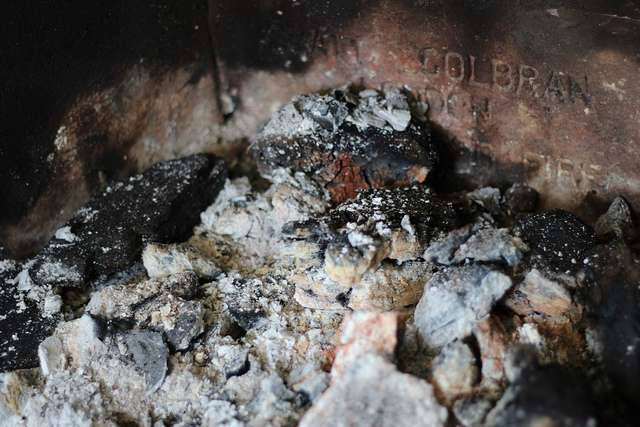
You may have heard that using wood ashes on your garden can help make
the soil more fertile. Though ashes do contain significant amounts of
potash, they contain little phosphate and no nitrogen. Most Kansas soils are
naturally high in potash and do not need more. Also, wood ashes will raise
the pH of our soils, often a drawback in Kansas where soils tend toward high
pH anyway. Therefore, wood ashes add little benefit, and may harm, many
Kansas soils. In most cases it is best to get rid of them.
By: Ward Upham
Researchers at the University of Georgia tested a number of common
houseplants for their ability to remove organic volatiles from indoor
environments. The indoor pollutants included benzene, toluene, octane,
tricholoroethylene (TCE), and alphapinene. Houseplants were rated as
superior, intermediate, or poor to reflect their ability to remove all
volatiles. None of the plants appeared to have been damaged by the
volatiles.
Superior Removal Efficiency
Hemigraphis alternata: Red Ivy
Hedera helix: English Ivy
Tradescantia pallida: Wandering Jew
Hoya carnosa: Porcelain Flower
Intermediate Removal Efficiency
Ficus benjamina: Weeping fig
Polyscia fruticosa: Ming aralia
Fittonia argyroneura: Silver Nerve Plant Sansevieria trifasciata:
Mother-in-Law’s Tongue Gusmania sp.: Type of Bromeliad Anthurium andreanum:
Flamingo Flower Schefflera elegantissima: False aralia
Poor Removal Efficiency
Peperomia clusiifolia: Peperomia
Chlorophytum comosum: Spider plant
Howea belmoreana: Sentry palm
Spathiphyllum wallisii: Peace Lily
Schefflera arboricola: Hawaiian Elf Schefflera Codiaeum variegatum: Croton
Calathea roseopicta: Peacock Plant Aspidistra elatior: Cast Iron Plant
Maranta leuconeura: Prayer Plant Dracaena fragrans: Corn Plant Ficus
elastica: India Rubber Plant Dieffenbachia seguine: Dumbcane Philodendron
scandens: Philodendron Syngonium podophyllum: Nephytis, Arrowhead Vine
Epipremnum aureum: Pothos Pelargonium graveolens: Rose Geranium (Ward Upham)
Now would be a good time to check the location of foliage houseplants
to be sure the plants don’t get too cold this fall or winter. Plants next to
windows or in entryways near outside doors are at the greatest risk. Plants
sensitive to cold temperatures include Chinese evergreen (Algaonema),
flamingo flower (Anthurium), croton (Codiaeum), false aralia (Dizygotheca),
and ming and balfour aralia (Polyscias).
Monitor and maintain temperatures above 65 degrees F for the false aralia
and above 60 degrees for the rest of the list. Many other indoor plants
prefer temperatures above 50 degrees. If needed, move plants away from the
windows or door entrances to reduce cold temperature exposure.
It may be necessary to move some plants from windowsills before shades or
drapes are pulled, especially in the evening.
By: Ward Upham
Winter can be a difficult time for strawberries in Kansas. Plants need
time to become adjusted to cold weather and will gradually become more cold
resistant as fall progresses. Strawberry plants are able to withstand colder
temperatures in the middle of the winter than in the fall before they have
gone through much cold weather. For example, if temperatures suddenly
plummet below 20 degrees F before the plants harden to the cold, they can be
severely damaged. A drop to 15 degrees F may kill them. Hardened plants can
withstand such temperatures with ease. This lack of hardening off may be a
concern this year because of the unseasonably warm fall. If a sudden drop in
temperature to below 20 degrees F is forecast, it may be wise to mulch the
plants as you would for the winter. After the cold snap is over, uncover the
plants so they may continue to harden off.
Normally, strawberries should be mulched for the winter around
Thanksgiving. However, if temperatures stay abnormally warm, give plants
another couple of weeks to become cold hardy before mulching. Mulching
plants helps protect strawberries not only from low temperatures but also
from heaving damage. Heaving damage occurs when the alternate freezing and
thawing common in Kansas winters heave plants out of the ground where they
can die.
Wheat straw makes good mulch and is widely available. The straw should
be spread over the plants to a depth of 3 inches. Shake the slabs of straw
apart so there are no large compressed chunks. This straw mulch not only
helps protect the plants over winter but can also help avoid damage from
late spring frosts by delaying blooming a few days in the spring. Mulch
should be removed gradually in the spring as plants begin new growth. Remove
enough so leaves can be seen.
Leaving some mulch in place keeps the berries off the ground and
conserves moisture. Also, mulch left in the aisles helps protect pickers
from muddy conditions.
By: Ward Upham
© Rural Messenger
