Monday, February 16, 2026
Home Blog Page 505

Total solar eclipse will cross the US soon. These Kansas cities will have the best view

0

In about two months, Kansans will be able to see this year’s solar eclipse making its way across North America .

The last solar eclipse, a partial eclipse, occurred in October and was an annular eclipse , meaning the moon passes between the sun and the Earth when it is farthest from the Earth. Because the moon is so far, the moon cannot cover the sun completely, which causes a ring effect around the moon, often referred to as the “ring of fire.”

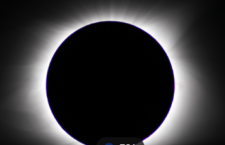
April’s event is a rare total solar eclipse, which means the sun will be completely blocked out for those in the path of totality. The eclipse will pass over Mexico, Canada and the U.S. Monday, April 8. Mexico will be the first place to see the complete eclipse, peaking at 11:07 a.m.

The total eclipse will be viewable in the U.S. in Texas, Oklahoma, Arkansas, Missouri, Illinois, Kentucky, Indiana, Ohio, Pennsylvania , New York, Vermont, New Hampshire and Maine. Other states, like Kansas, will only see partial coverage.

The next total solar eclipse won’t occur until Aug. 23, 2044 , according to NASA. If you’d like to catch a glimpse of this year’s event from Kansas, here’s what to know.

Kansas cities with the best view of the 2024 eclipse

In Wichita, the eclipse will begin at 12:31 p.m. and end at 3:06 p.m. Viewers will be able to see maximum coverage at 1:48 p.m., according to online global clock Time and Date.

Those who are in the path of totality will see a total obstruction of the sun, while those outside the path will see only partial obstruction.

Overland Park is the city in Kansas that will have the most obstruction at 89.5%, while Wichita will have 87.59%.

Here are some other cities in Kansas where the partial eclipse will be viewable and how much of the sun will be blocked out:

  • Lawrence (88.35%)
  • Olathe (89.49%)
  • Osage City (88.10%)
  • Salina (83.66%)
  • Topeka (87.18%)
  • Remember, just because part of the sun is partially blocked during the eclipse does not mean it’s safe to stare directly at it without eye protection. If you plan to take a peek April 8, be sure to wear eclipse glasses or handheld solar viewers — anything with a special-purpose solar filters.Otherwise, there are ways you can view the eclipse indirectly, like creating a pinhole projector.

Fair Board officially approves 2024 use of racetrack

0

As part of its meeting on Tuesday, the Kansas State Fair Board officially approved the contract for the 2024 season of racing at the racetrack on the Fairgrounds.

According to information from the State of Kansas that Phil Nightingale provided to the Hutchinson City Council, the economic impact of a track event is estimated at over $140,000.

The schedule, as they know it right now, is below.

Fri. April 26 – Grand Opening – URSS Sprints, Mod, Sp. Mod, Stock Car, Hobby, Sp. Compact.

Fri. May 24 – URSS Sprints, Mod, Sp. Mod, Stock Car, Hobby, Sp. Compact

Fri. June 21 – High Plains Late Models, Mod, Sp. Mod, Stock Car, Hobby, Sp. Compact

Fri. July 19 – USAC Silver Crown Qual. URSS Sprint Cars, Mod, Sp. Mod, Stock Car, Hobby, Sp. Compact

Sat. July 20 – USAC Silver Crown 100 laps, URSS Sprints, Support Classes TBA

Sat. Aug. 3 – Mod, Sp. Mod, Stock Car, Hobby, Sp. Compact

Fri. Sept. 20 – URSS Sprints, Final points night for Mod, Sp. Mod, Stock Car, Hobby, Sp. Compact

Sat. Oct 12 – Mod, Sp. Mod, Stock Car, Hobby, Sp. Compact No Points

Sat. Nov. 16 – TBA

Canning Chicken

0


WOW, we just finished watching the ‘Wonderful’ Super Bowl. Holy Cow, that was some game. I was pretty tired out today, but after that winning touch-down, I came back to life!

I took on a pretty big project this weekend canning fresh chicken. This week the sale bill came out at our Harter House grocery store for boneless skinless breasts at 1.99 a pound. The first thing I needed to determine was whose ‘chicken’ was on sale. Since running the culinary school I’m in pretty good standing with the people in my local meat market, which happens to be Harter House. My phone call concurred what I would be doing this weekend, as I learned it was Springer Farms Chicken. I placed a call to our son’s gal, Paige, and said: ‘If you want to learn it’s this weekend.’ Saturday wrapped up with 7 quarts of chicken and then today I completed the project with 5 more quarts. So, I barely wrap it up before the game starts, goodies are in the kitchen and homemade enchiladas are about ready to roll. I perch myself in the recliner and start the game. To my surprise I found myself nodding off throughout the first half of the game. I guess it was needed, the second half and overtime started, what a night.

Let’s chat just a bit about some of my observations. Remember when the chicken is boneless/skinless there isn’t going to be a great deal of stock. In this canning run I put the chicken up in quarts. You’re never going to know how much stock will come through in the canning. I put about 2 inches of water in my jars after I filled them with 2 very and I mean very large breasts. With the stock and the water my chicken came out totally submerged in liquid, which is ‘good’. I did use a teaspoon of salt free bouillon ‘Herb Ox’ in each jar, but NO salt. Usually I would, but I didn’t have any canning salt on hand. As noted in the directions using regular table salt is a no no.

People who are not a part of the canning world will ask why a person goes to all the work canning their own chicken? The top answer will be knowing what you’re eating and making sure you’re consuming quality foods. I grew up on a farm and I knew I was eating quality foods, and I took that for granted. Today my son’s

generation doesn’t have the ‘farm’ and he’s cautious of the pans he cooks his food in, along with the quality of the foods he consumes. The second big reason for canning is the handiness of the cooked chicken & in most cases the cost factor.

Another question I’ve encountered is how do you use the chicken? Seriously; where do I begin: chicken enchiladas, chicken salad, chicken and dumplings, tacos, fajitas, chicken and noodles and on and on.

The only, and I mean only drawback is the time factor, especially when you work full-time. Give it a go, we’ve got to try some things to cut the cost of expenditures at the store. Enjoy the week, do good things! Simply yours The Covered Dish.

Canned Chicken, raw packed

3 pounds lean chicken strips

8 pint jars, flats and rings

Small saucepan with water to boil flats

Gloves

Tongs

Dishcloth and towel

Pressure Canner

Sterilize pint jars and prepare saucepan with flats to boil. Pack chicken into jars raw, within one full inch of the neck of the jar. DO NOT over pack and go all the way to the bottom of the neck. As the chicken is processed the natural juices will begin filling the jar. After processing the jar may not be totally full, this is fine. Better to be a little low that overfill.

Wipe and clean the tops of each canning jar. Boil flats in saucepan covered with water. Bring to a hard boil and then allow to simmer for 4-5 minutes. Wipe flats lightly, adhere to jar and tighten down with the ring.

Place jars on the rack inside the canner and cover with the amount of water required by your canner model. (Follow guide instructions explicitly.) Our chicken today was processed at 12 pounds for one hour and twenty minutes, with pint jars. Most guidebooks suggest around ten pounds for one hour and five minutes. We like to be overly cautious. Salt does not have to be included in the canning process.

Fresh chickens that have just been processed should chill for 6-12 hours before they are canned. Salt may be added to processing, but be sure to use canning salt versus table salt. Table salt contains a compound that prevents the salt from clumping. This same compound will cloud the canning jar. Chicken may also be canned with the bones. Do not allow too much fat to go into canning, it can result in a pour outcome.

Most large canners hold 7 quarts or 8-9 pints, depending upon the jar style.

‘Everything Horses’ Featured For EquiFest Of Kansas At Salina

0

Calendar dates must be circled in red for the EquiFest of Kansas, March 14-17, at Salina.

That’s the announcement from Justine Staten, executive director of the Kansas Horse Council, producer of EquiFest.

The first EquiFest was at Wichita in 1998, then in Topeka starting in 2016, and Salina has hosted EquiFest since 2020.

“This year’s EquiFest is again four days at the Saline County Livestock Expo Center and Tony’s Pizza Events Center,” Staten said.

More than 15,000 people have annually attended EquiFest which serves as the Kansas Horse Council (KHC) primary fundraiser.

“The KHC provides the Kansas equine industry with leadership and direction through education, promotion, and public policy advocacy,” Staten said.

​“What makes EquiFest so special is the variety,” Staten emphasized. “There’ll be all breeds of horses and all disciplines represented throughout the competitions, demonstrations, and displayed exhibits.”

In addition, EquiFest features educational and informative workshops, world-renowned clinicians, music, poetry, history, and storytelling.

The horse trade show is open all four days featuring wall-to-wall vendors in multiple locations.

“They’ll offer something for everyone, clothing, accessories, saddles, tack, home décor, trucks, trailers, tractors, implements, and more,” Staten said.

Children are the future of every horse activity, so a special Kids’ Corral is again being developed encouraging youth involvement.

The EquiFest horse judging contest has been revamped this year with additional divisions to increase participation for impressive awards.

Everybody always asks: “What will there be to eat?” According to Staten, “If you like a variety of food, check out several food trucks and concessions on site. Again, there’s something for all tastes.”

Attendees at EquiFest will also once more have an opportunity to meander through the stall barn. “You can see up close anything from long-eared minis to gentle giants. Living history is on display at a military encampment,” Staten said.

Competitions include a barrel race, ranch rodeo, and breakaway roping.

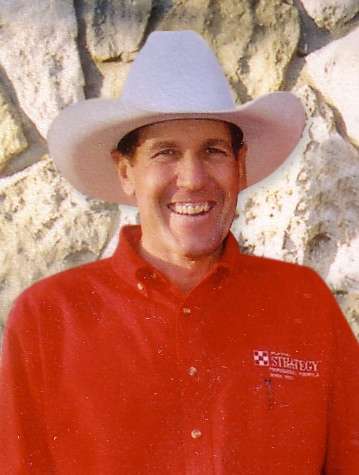
Among clinicians are Guy McLean, Australian horseman; Jerry Diaz, family horsemanship; Patrick Sullivan, liberty horsemanship; Julie Goodnight, training resources; and Sally Batton, equestrian team coach.

Workshops throughout the four days are to feature Native American Traditions, riding exercises, Kansas horseback trails, and legendary horsemen panel.

A special feature is Celebrate EquiFest The World Of Horses on Thursday night, March 14.

Annual meeting of the Kansas Horse Council is Sunday morning, March 17, with a complimentary Chris Cakes breakfast for all. Cowboy church will follow.

A complete schedule of activities is available at www.equifestofks.com

The state budget (3)

0
john marshal

The governor’s overall spending plan for the next budget year (beginning July 1) is estimated at $26.5 billion.

At its core is the general fund, the estimated cost ‒ $11.2 billion ‒ of operating state government day to day. This fund is special because most of it – 91 percent – is financed with state sales and income taxes. The remainder is derived from other excise taxes and most of the revenue from oil and gas severance taxes. (A state property tax for schools is also collected, but channeled directly into a central revenue pool for base aid to local districts.)

The general fund, often called “the budget”, drives the taxing and spending debates in Topeka. The fund is part of a complicated system. Its strength depends most upon the exchange and interplay of dollars circulating through the pockets of Kansans and the ledgers of businesses. If the economy goes down, so will the collection of taxes; and in good times when sales and incomes rise, so do government revenues.

Last year, Kansas posted a 9.5 percent increase in net gross domestic production, highest of any state. This has added to robust growth in recent years, creating a projected $2.8 billion operating balance this year, atop $1.7 billion already in reserve.

Of the balance, the governor proposes next year to invest roughly $1 billion in remaining covid relief funds to pay down state debt and to invest in new capital projects. After other projects, the surplus next year is estimated at $1.4 billion plus $1.8 billion in reserves.

Recent budgets are distinguished because they have offered consecutive billion-dollar balances. State law, passed 30 years ago, required ending balances of at least five percent. But legislators often suspended the requirement as they struggled to secure constitutional funding for local schools (1990s, early 00’s). During the deficit-ridden Brownback years (2011-2017), taxes were slashed, borrowing and spending increased and state bankruptcy loomed, erasing any thought of rainy day funds.

*

Revenue estimates come from the Department of Revenue and are based on a November forecast by the Consensus Estimating Group, an independent panel of economists and budget experts. The forecast is revised in April and is central to crafting a budget during the final days of a legislative session.

Gov. Laura Kelly anticipates $12.6 billion in available funds next year and $11.2 billion in operating expenses. Balance, $1.4 billion. Here are chief components of the revenue estimates:

‒ Income taxes: $4.45 billion from individuals; $1.38 million from corporations; $40 million from financial institutions. Total, $5.87 billion.

‒ Excise taxes: Retail sales, $2.8 billion; compensating use (Internet sales), $802 million; taxes on tobacco and alcohol, $226.2 million; severance taxes on oil and gas, $32.8 million; taxes on insurance premiums, corporate franchising, motor carriers and misc., $239.2 million.

‒ Other revenues, including interest on funds and agency earnings: $26.5 million.

*

Primary estimates for general fund expenses next year:

‒ General government, $1.06 billion. This includes, among others, the Department of Administration, Department of Revenue, Board of Tax Appeals, Governor’s office, Attorney General, Secretary of State, State Treasurer, the

Legislature and the Judiciary.

‒ Human Services, $2.7 billion. This is for the Departments of Children and Families, Aging and Disability Services, Labor, Commission on Veterans Affairs, Kansas Neurological Institute; state hospitals at Larned, Osawatomie and Parsons.

‒ Education, $6.3 billion. This includes local schools, community colleges, vo-tech institutions, state universities, school for the deaf, the state Historical Society and State Library.

‒ Public Safety, $1.05 billion. This includes the Department of Corrections, KBI, State Fire Marshal, Adjutant General, Sentencing Commission and nine state prisons, including one for juveniles.

‒ Agriculture and Natural Resources, $29.3 million. This includes the Department of Agriculture, Department of Health and Environment, the State Fair, Kansas Water Office and the Department of Wildlife and Parks.

(Next: Budget thoughts)