
Rabbits can cause a great deal of damage to plants in Kansas.
Though fencing is a very effective control, it may be too unattractive
for some uses. In such cases, using plants that are less likely to be
attractive to rabbits can be helpful. Note that these plants are
resistant; not immune to attack. Young plants or those that are
succulent due to overfertilization are more likely to be damaged.
Also, the unavailability of other food sources can result in
rabbits feeding on plants that are normally rejected. A list of flowers
considered resistant to feeding damage by rabbits include artmesia,
aster, bee balm, begonia, blanket flower, bleeding heart, candytuft,
columbine coreopsis, crocus, daffodil, dahlia, daylily, ferns, gloriosa
daisy, herbs (except basil), iris, lamb’s ears, pincushion flower, red
hot poker, surprise lily, sweet violet, verbena and yarrow. This
information came from a University of Arizona publication titled “Deer
and Rabbit Resistant Plants.” Other resistant plants including trees,
shrubs, groundcovers and vines are also
listed in this publication. This publication is available at
http://tinyurl.com/y8sfgo2 (Ward Upham)
Rabbit Resistant Flowers

Dormant Oil Sprays for Fruit Trees
There are a number of dormant sprays used on fruit to control
various diseases and insects, but a dormant oil spray is designed to
control scale insects. If you have a problem with scale, now is the time
to start looking for an opportunity to spray. Normally spray should be
applied by March 1, especially with peaches and nectarines.
Apples are tougher, and application may be delayed up to the green
tip stage. Temperatures need to be at least 40 degrees so spray has a
chance to dry before freezing. If the spray does freeze before it dries,
plant injury can occur. Applying the spray during the morning will help
insure that it dries properly. Thorough coverage of limbs, branches, and
twigs is vital for good control. Note that it is much easier to achieve
good spray coverage if the tree is pruned before spraying.
By: Ward Upham
Approaching Time for Peach Leaf Curl Control
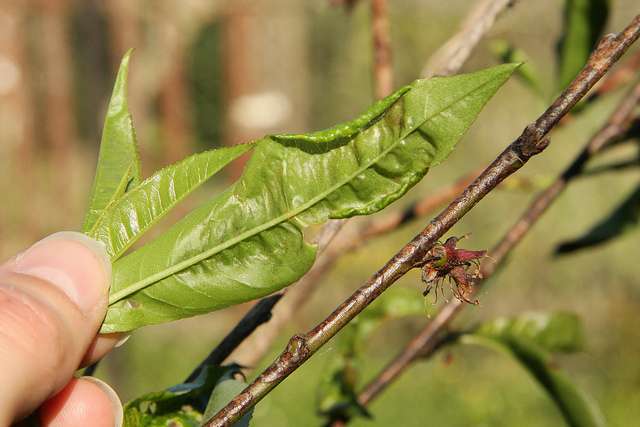
If you have ever seen emerging peach leaves that are puckered,
swollen, distorted and reddish-green color, you have seen peach leaf
curl. Uncontrolled, this disease can severely weaken trees due to
untimely leaf drop when leaves unfurl in the spring. Fortunately, peach
leaf curl is not that difficult to control if the spray is applied early
enough. However, by the time you see symptoms, it is much too late. As a
matter of fact, fungicides are ineffective if applied after buds begin
to swell. Don’t spray when temperatures are below 40 degrees or will
fall below freezing before the spray dries. Usually we can wait until
March to spray but an extended warm period in February that encourages
early bud swell may require spraying in late February.
Though peach leaf curl can be controlled by a single fungicide
application either in the fall after leaf drop, it is more commonly
controlled in the spring. There are several fungicides labeled for this
disease including Bordeaux, liquid lime sulfur, and chlorothalonil
(Ortho Garden Disease Control, Fertilome Broad Spectrum Fungicide,
GardenTech Fungicide Disease Control, Gordon’s Multipurpose Fungicide,
and Daconil). Thoroughly cover the entire tree during application. Note
that it is much easier to achieve good spray coverage if the tree is
pruned before spraying. (Ward Upham)
Leona, Naomi and Ellington apartments to be demolished

Wichita City Council approves the demolition of three apartment buildings in a 5-1 vote.
The controversial move is aimed at revitalizing the area but comes with the cost of losing 3 buildings on the National Register of Historic Places. Leona, Naomi and Ellington apartments where constructed in the 1920’s and have been considered a vital part of Wichita’s Architectural history.
photo credit: Flickr: takomabibelot
Establish healthy traditions to make winter fun, prevent cold-weather blues

Story contact: Emily Martin, MU News Bureau; Sources: University of Missouri Extension specialists
Frigid weather may seem like a good excuse to avoid workouts, stay inside and overindulge in comfort foods. However, health experts from the University of Missouri Extension have found that these tendencies leave most people feeling less content during the winter months. MU researchers say people should establish new traditions to increase happiness and avoid wintertime woes.
Incorporate activities and habits that promote health and can be shared with spouses, friends and family members each year. The experts suggest trying a variety of ideas.
“When thinking about New Year’s changes, a good first step is creating a vision for the future by picturing yourself happy and healthy,” said Karen Sherbondy, MU Extension special projects coordinator for Family Nutrition Education Programs. “Identify positive and negative aspects of your health and the health of others, including friends, family members, spouses and children. This provides a starting point for establishing new behaviors, avoiding negative habits and seeking help from others.”
“Regarding exercise and physical activity in the winter, some is better than none, more is better than some and too much is difficult to get,” said Steve Ball, state fitness specialist and associate professor in the College of Human Environmental Sciences. “Establish traditions to accommodate cold weather. Try new things… Think of things that are enjoyable – spending time with kids, crafts and watching movies – and incorporate physical activity to enhance them,” Ball said…
For more great ideas on ways to increase physical activity, improve mood, develop healthier eating habits and encourage better overall health for you and your family this winter, read the full version of this article at http://missourifamilies.org/
